
Stephanie Case ran (and won) her first postpartum race six months after giving birth (stopping to breastfeed three times during the 100K trail course).
I ran my first race postpartum a little over a year after my daughter was born. My friend, mother of three, ran her first postpartum race when her youngest was 2 years old.
The timing of when we tough-as-nails mothers run our first postpartum race can range from months to years after we’ve birthed our little bundles of trot-blockers.
Even so, few things kick off your triumphant (although leaky) return to running more than signing up for an official running event.
Once you’ve submitted the payment, along with your t-shirt size, you are officially in training.
Let’s get started, one step at a time.
Table of Contents
How to train for your first postpartum race
The following tips on how to train for your first postpartum race are for bodies that have physically recovered from giving birth and have been cleared to begin cardio exercise, meaning:
You can walk for 30 minutes without pain or excess bleeding.
You’ve practiced walk/run intervals.
You don’t feel pain, abnormal pressure, or a tearing sensation in your pelvic area during continuous movement.
For premium reads on how to start, check out our massive collection of postpartum running articles written by moms who have done it.

Rebuild your strength postpartum
The term “bounce back” is wildly inaccurate to the postpartum journey.
No one “bounces back.” We rebuild.
Tips for when you start training for your first postpartum race:
Ease into training with walk/run intervals, testing speeds and distances you can maintain comfortably.
Assess your progress week after week rather than day-by-day, recognizing the rebuilding process is a hodgepodge of strong days and sluggish days.
Apply patience, compassion, and adjustment to your journey.
Listen to your body with every step and make the changes you need to train another day, even when that means stopping to rest.
Regardless of which speeds, distances, and training programs you crushed before having a baby, you’re essentially starting from scratch with a new body.
Give yourself the patience of starting anew.

Set a goal and sign up
When you’re ready to sign up for your first postpartum race, choose a distance that is challenging but also achievable based on the amount of time you can devote to training.
Most common race distances
5K: 3.1 miles
10K: 6.2 miles
Half Marathon: 13.1 miles
Full Marathon: 26.2 miles
Ultra Marathon: 26.2+ miles (insane)
The amount of time you need to train depends on your baseline fitness and varies depending on whether you’re a beginner, regular, or experienced runner.
Don’t sign up for a race to “inspire” you to return to running before you and your body are ready.
This will likely lead to unhelpful pressure, injuries, dropping out by race day, and a wasted registration fee.
Build your postpartum training plan
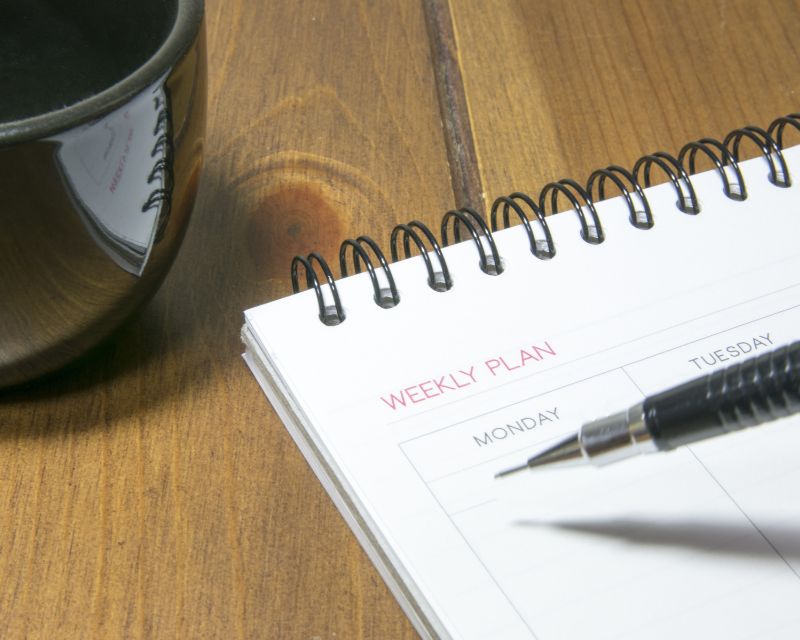
There are loads of training plans for runners aiming to complete a race of any distance.
Pre-made training plans are great guidelines to give you an idea of:
- Where to start (usually a short distance at an easy pace).
- How to progress.
- When to take rest days.
They also add different types of runs into the schedules to strengthen your muscles and keep you from getting bored.
It’s important not to look at pre-made training schedules as an all-or-nothing “to-do” list. You won’t always be able to follow the day-to-day distance and duration recommendations.
After all, these plans don’t consider breastfeeding schedules, childcare limitations, or the fact you’re probably pushing a jogging stroller.
Take the suggestions, pick a couple that are achievable during the week, and mold the rest to fit your life.
Celebrate small wins
Raise your hand if you’ve skipped a workout because you didn’t have time or energy to devote to a full circuit (I can truthfully raise both hands on this one).
My second baby and slice of whatever pitiful free time I had before kids has me fiercely endorsing an “anything is better than nothing” mantra.
Allow yourself to achieve the minimum on days that refuse to let you complete a full workout. Committing to minimal, unintimidating goals gets you out there and going.
You may not have time for the 1.5-hour run suggested by your plan, but do you have 20–30 minutes for interval speed work?
Can you spare 10–15 minutes to practice consistent running at your goal racing pace?
Can you satisfy strength training with a few reps of your go-to bodyweight or dumbbell exercises?
Like laundry, these tiny fitness accomplishments add up to a much more satisfying outcome than an overflowing laundry basket.
Just get out there and run a mile.
Incorporate double runs
Double runs (running twice in a 24-hour period) or the Camille Herron training plan can help you achieve distance goals when you don’t have 2–3 hours to go for a run.
Set one or two days aside for a double run.
One day per week, I’ll run 4–6 miles in the morning after dropping my daughter off at pre-school, then do my second 2–3-mile run with my baby in the jogging stroller before school pickup at 3 p.m.
Unlike Camille Herron’s running plan, my double runs don’t add up to 21 miles at the end of the day. Still, the benefits of double running are there.
The first run creates just enough stress on your body for its cells to adapt by strengthening your bones, and the run ends before the cells begin breaking bone tissue down.
The 4– to 8–hour rest period between each run allows your body to retain the bone-strengthening benefits, and your cells will rebuild on those gains during your second run.

Find time to train after birth
The best way to carve out a somewhat consistent running schedule amid the chaos of motherhood is to identify which days and times you can devote to training.
These training windows exist somewhere in your week and are easiest to identify once you’ve worked out:
Breastfeeding/meal times
Kids’ wakeup/bedtime
Your work schedule
School/daycare (if applicable)
Other non-negotiables
Look closely at your week. If there are days that offer a bit of leeway, block out time for a training run (even if it’s only 20 minutes) and make it a regular part of your routine.
If you’re like me and treat yourself to nightly doom-scrolling or TV after the kids are in bed, consider swapping 2 or 3 nights of well-earned screen time for a night run.
Or drag yourself out of bed before the kids wake up and get a few miles in while the house is quiet.
Finding the training windows that work for your life now requires creativity, and often, running when you don’t want to.
We no longer have the luxury of waiting for motivation to strike. We have to seize whatever time we can get, even reluctantly.
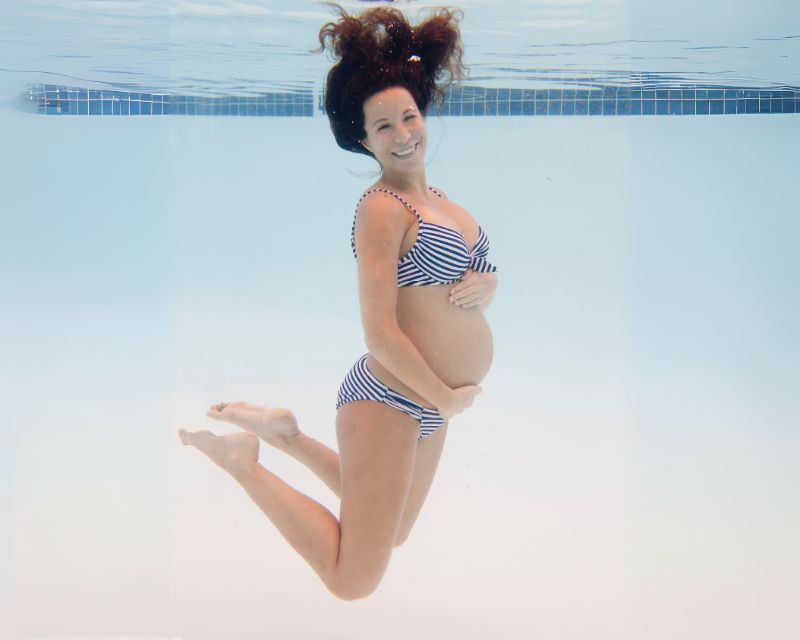
Cross-training for postpartum runners
Not to be confused with CrossFit, cross-training means mixing in other forms of movement that boost your heart rate, strengthen your muscles, and build endurance—without the daily wear and tear of pounding pavement.
Cross-training gives your body time to recover while keeping you in motion. It can be as simple as swapping a 30-minute run with a 30-minute bike ride.
Examples of non-running exercises to mix into your training:
Swimming
Walking
Zumba
Pickleball
Hiking
Weight lifting
Yoga or Pilates
Cycling
Rollerblading
Substitutions can range from cardio-centric activities like rollerblading or swimming postpartum to low-intensity options like yoga or walking. The point is to keep your body moving while giving your running muscles a break.

Prioritize rest days
Taking a day off from running or high-intensity training gives your body time to recover. In this gentle recovery mode, your cells repair and rebuild the bones and muscles that were stressed during your last big effort—so you come back stronger.
When to rest depends on several things.
If yesterday’s workout was particularly tough and you wake up sore with a weakened will to live, take a break.
There will also be days when keeping kids fed, clothed, and breathing erases any chance of a workout. That counts as a rest day too.
Remember, just because you didn’t run doesn’t mean you didn’t train.
Focus on weekly mileage
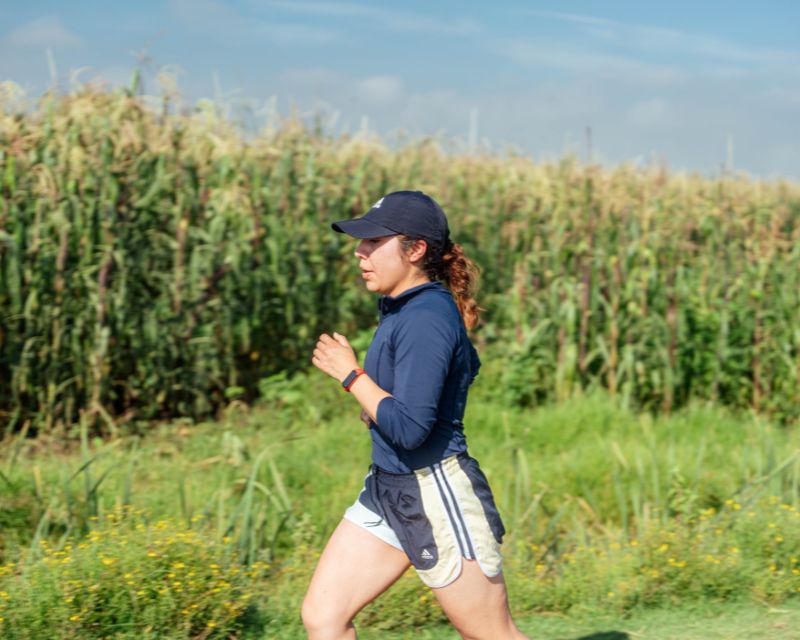
Missing daily mileage goals is common when you’re prioritising kids over step count. I’ve found more peace of mind aiming for a weekly mileage goal instead of trying to tick off every single daily run.
Set a weekly mileage target (for example: 20 miles) and do your best to hit it. Some weeks, you’ll fall short. Other times, you’ll go over. It all adds up.
This approach offers more flexibility with your training schedule and gives you a reason to lace up, even if it’s just for a short jog. Because when you’re preparing for your first postpartum race, even small runs help you stay on track.
Before you run that first postpartum race...
On good days, moving your postpartum body can fill you with pride. On bad days, it can leave you questioning everything. Please know: both are normal.
It’s disturbingly easy to beat yourself up for missing a workout or not hitting a pace—especially while training for your first postpartum race.
We’re tough on ourselves as moms, runners, and women. So in case no one else says it: you’re doing great. Even if the training feels messy or inconsistent, it still counts.
If you’ve shown up for yourself—imperfectly, but consistently—you are ready.
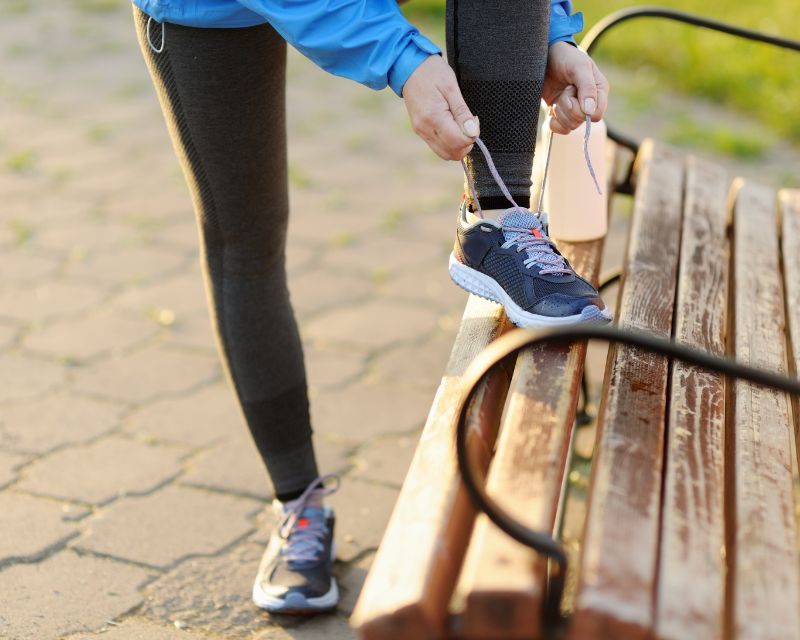
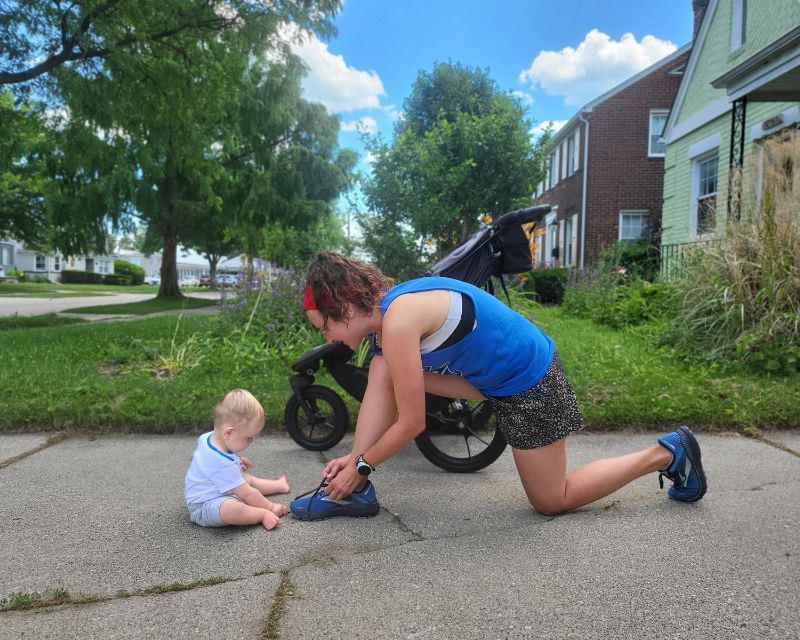
There was a time you couldn’t even put on your own shoes. And now? You’re training for a race!
Don’t lose sight of how far you’ve come.
FAQs
You can start running postpartum around 6–8 weeks after a vaginal birth and 8–12 weeks following a C-section. But ultimately, only your body can decide when it’s ready for postpartum running.
These timelines are based on bleeding stopping and your uterus shrinking back down—not on how much sleep you’re getting, your mental health, or your pelvic floor strength.
Check out our checklist before returning to running postpartum to see if you’re ready.
No. Exercise won’t tank your breastmilk supply. The real reasons behind a dip in milk include dehydration, stress, poor nutrition, and infrequent nursing or pumping.
Just make sure your sports bra fits comfortably.
Tight or ill-fitting bras can irritate ducts or cause clogs—especially when you’re mid-run and bouncing around.
Here’s what helped me (and many mums) stay consistent and comfortable while training for a race after baby:
Jogging stroller – Designed for speeds over 4mph. Regular strollers just don’t cut it.
Belly band – Offers back support and can help with healing diastasis recti.
New sports bra – Most of us go up a size or need something that works for feeding on the go. Get a full rundown of our favorite nursing sports bras for running.
Panty liners – For leakage (because… yeah).
Running clothes that fit now – You deserve to feel good in what you wear today.
Studies show that postpartum running and exercise can reduce anxiety and depression by balancing brain chemistry and boosting mood.
Other benefits include:
Helping your body heal after labor
Bonding with baby in the stroller
Supporting healthy weight management
Relieving stress
Improving cardiovascular health
Reclaiming your runner identity and confidence
