
Do you struggle with hip pain after every run, no matter the distance? You’re not alone, and you’re not imagining it. The tricky part is figuring out why your hips hurt after running.
It can be caused by muscle imbalances, overuse, poor running form, or even underlying medical issues. If left untreated, it can lead to more serious injuries and, in some cases, sideline your running altogether.
Let’s explore why, how to prevent it, and what to do if the pain lingers.
Table of Contents
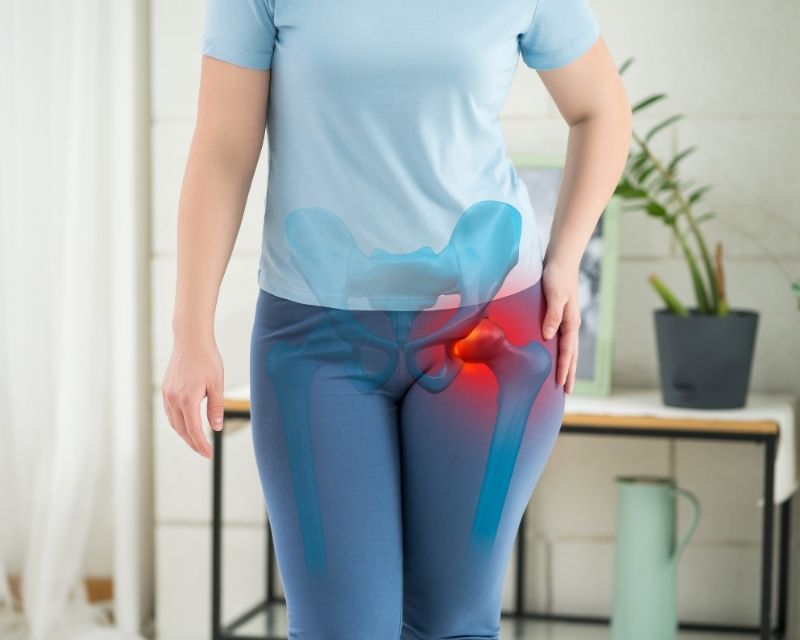
Why your hips hurt after running
There are several reasons you might feel hip pain after a run. While this isn’t a complete list, these are some of the most common causes:
Overuse
It’s easy to get carried away with training, especially when you’re chasing goals or building up your fitness.
But increasing your mileage too quickly can lead to chronic fatigue and joint pain.
New runners or those returning after a break are especially at risk. The body needs time to adapt.
Muscle imbalances
When certain muscles are stronger or tighter than others, your body compensates. This often leads to instability in the hips and lower back.
Over time, that compensation creates strain and discomfort, especially around the hip region.
Poor running form
Running with poor posture or an uneven gait puts a lot of pressure on your hips. It’s one of the most common causes of pain and one of the hardest habits to fix without help.
Bad form doesn’t just affect how you move. It impacts how your joints absorb shock and carry your weight.
Skipping warm-ups or cool-downs
Jumping into a run without warming up or forgetting to cool down afterwards can make your muscles stiff and more prone to injury. Tight hip flexors and under-activated glutes can both lead to post-run soreness.
Wearing the wrong shoes
Worn-out or unsupportive footwear can lead to poor alignment. If your shoes don’t match your foot shape or running style, you may feel the effects in your knees and hips.
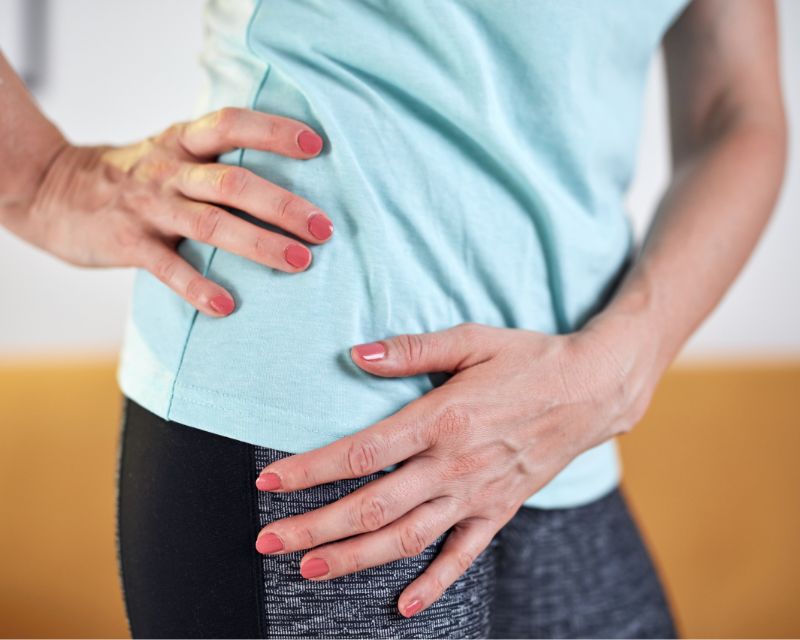
When hip pain could mean something more serious
Most runners will experience some soreness now and then. You may even mistake some discomfort for pelvic pain while walking. So, it’s very important to recognize when the pain may be a sign of something more.
Watch out for:
A dull, lingering ache in the hip joint
Pain that travels to your lower back or thigh
Severe stiffness right after finishing a run
Swelling or warmth around the hip area
Pain that starts during a run and doesn’t go away
Visiting a physiotherapist
If you’re experiencing any of these symptoms, book an appointment with a professional. Continuing to run through pain can make things worse and lead to new injuries from compensation.
If you’re a new mom, postnatal physiotherapy can also help with adapting to the changes in your body.

Preventing hip pain
A little prevention can go a long way when it comes to staying pain-free. If your hip pain isn’t linked to a serious injury, these simple strategies may help:
Warm up properly
A short dynamic warm-up helps loosen tight muscles and prep your body for impact.
Exercises like leg swings, lunges, or jumping jacks can make a big difference in how your hips feel during and after your run.
Strengthen your hips and core
Knowing how to strengthen your pelvic floor supports joint stability.
Strength training supports joint stability. Focus on exercises like glute bridges, clamshells, squats, and lunges to balance your muscles and protect your hips.
Work on your running form
Like we mentioned, running with poor alignment causes repeated stress on your hips. A movement specialist can help assess your stride. But you can also work on your posture, breathing, and core engagement at home. Small adjustments can lead to big improvements.
Invest in the right footwear
Choose shoes that support your arch and absorb impact. If you overpronate or supinate, find a style that balances your step.
In other words, if your feet does an inward or outward roll whenever you run, thos generic running shoes may not be enough.
Highly cushioned options are great for runners covering longer distances.
Build up mileage gradually
Use the 10% rule. That means you don’t increase your weekly distance by more than 10% compared to the previous week.
It’s a slow process, but one that protects your body. I find that keeping a running journal helps me be more motivated and attuned to my progress.
Remedies when your hips hurt after running
If the pain lingers, here are a few strategies that may help you recover more comfortably:
Rest and recover
Rest doesn’t mean doing nothing. It means giving your body the space it needs to heal. Swap running days for gentle activities until your hips feel better.
Use ice and heat
Ice helps reduce swelling and inflammation, while heat relaxes tight muscles. Switch between the two to support faster recovery. Just remember to use a cloth barrier so you don’t irritate your skin.
Stretch and do mobility work
Daily mobility work can prevent stiffness and ease muscle tension. Stretch your hip flexors, glutes, and hamstrings regularly even on rest days.
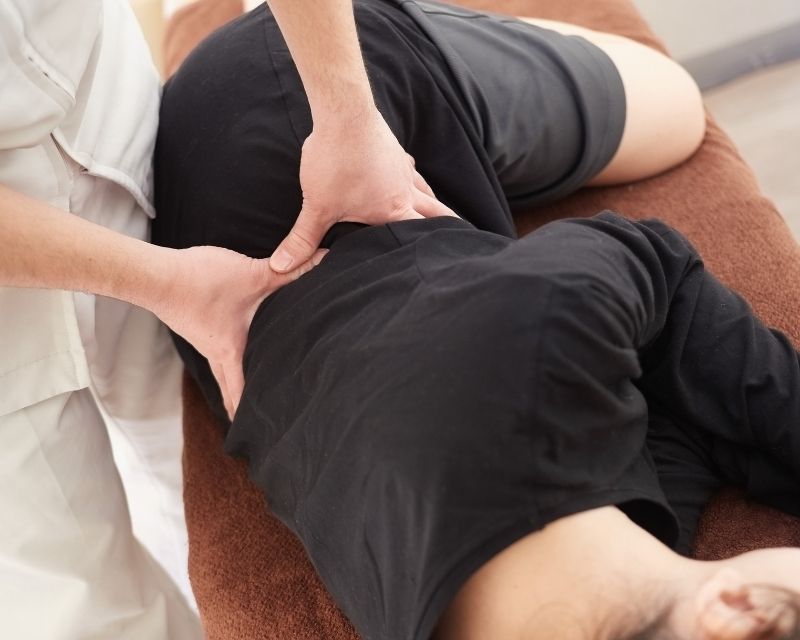
Consider a sports massage
Deep-tissue massage can target stubborn tight spots. While not always relaxing, these sessions help improve circulation and reduce chronic tightness in the hips and lower back.
Cross-train with low-impact movement
If running feels too painful, switch to swimming, cycling, or using the elliptical. These exercises keep your cardiovascular fitness up while giving your joints a break.

Do you need pain meds when hips hurt after running?
Some runners turn to anti-inflammatory medications to manage pain, but these should be used with caution. NSAIDs reduce blood flow to the kidneys, especially when combined with intense activity, which can be risky.
If you need to take painkillers to get through a run, it’s a sign your body needs rest.
Wait until the medication is out of your system before resuming intense exercise, and always consult a doctor before using medication regularly.

When to consider medical treatment for hip pain
If nothing else seems to help and the pain keeps returning, it may be time to seek medical advice.
Physiotherapy is often the first step, but some cases call for cortisone injections, dry needling, or imaging to get to the root of the problem.
Most runners respond well to a step-by-step treatment plan and start to feel relief within 4 to 8 weeks. Just make sure you’re giving your body the time and care it needs to heal properly.

Overcoming when your hips hurt after running
If your hips hurt after running, you’re not alone and you’re not stuck. Throughout this article, we talked about why hip pain can happen in the first place, from overuse and poor form to the shoes on your feet.
We walked through ways to prevent it, like warming up properly, building strength, and paying attention to posture. And if the pain sticks around, there are plenty of options: from rest and mobility work to physio and medical support.
The most important thing is not to ignore what your body is trying to tell you.
Give it care. Give it patience. And know that with the right support, you can absolutely keep running, moving, and feeling strong.
You’ve got this, one stride at a time.
