Postpartum Pelvic Exercises: How to Know You’re Ready

Immediately after delivering a baby, postpartum pelvic exercises are probably not a priority! However, knowing when your body is ready for physical activity, including pelvic strengthening, cardio, weightlifting, and other exercises, is necessary and can be a bit tricky to determine.
 
Let’s discuss the steps that lead to readiness for postpartum pelvic exercises, when these exercises can be incorporated into a routine, and the signs that indicate you need a bit more time to recover.

What happens to your body 2 weeks postpartum

Recovery made easier with postpartum pelvic exercises
The female body experiences many physical changes in just the few short days after giving birth. You may notice some (or all) of the following symptoms, including constipation, cramping, bleeding, hair loss, breast pain, soreness, fatigue, and sweating. You might even feel more sad or anxious than usual.
 
Giving birth is no easy feat – and because of this, it’s imperative to stay on top of your symptoms and let your physician know if something seems unusual.
 
Adequate recovery is necessary, which will allow your body to heal properly before you jump back into exercise of any sort.

Signs you're ready for pospartum pelvic exercises
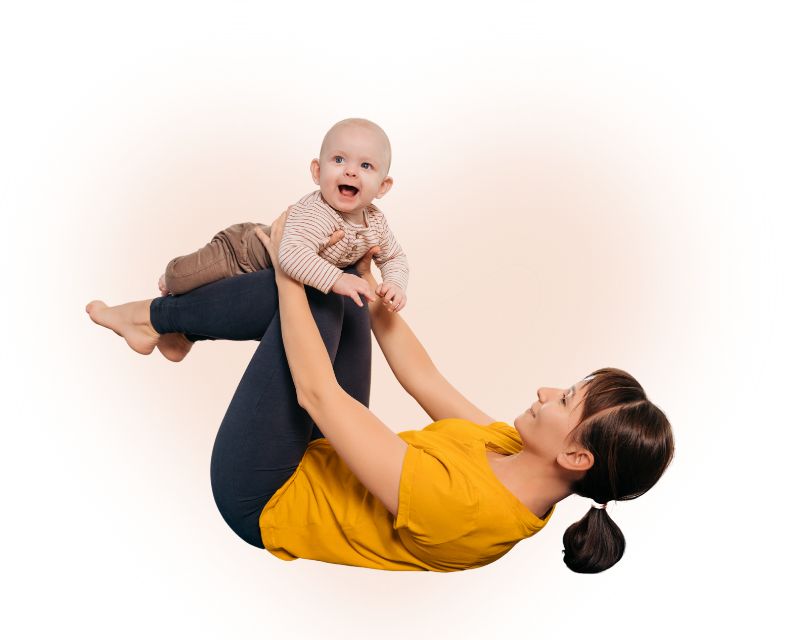
Wellness checklist for postpartum pelvic exercises

You don’t have to jump straight back into movement. But when your body starts giving you gentle green lights, it’s worth tuning in.

Here are a few signs that you might be ready to ease into postpartum pelvic floor exercises!

No pain after birth

Before starting a postpartum pelvic exercise routine, you need to ensure you are not in any pain. Your body needs to be well into the healing process (especially if you have undergone a C-section) before engaging in exercise.

Any tears or incisions should be healing nicely and no longer give you any discomfort or pain.

Doctor's approval

Most women will have a 6-week checkup with their physician after giving birth.

During this appointment, your doctor will answer any questions about recovery, address any possible complications, and clear you for return to exercise.

After this, you can begin a postpartum pelvic exercise program, along with other favorite exercise routines!

Increase in energy levels

When you’re healing and recovering, you should begin to notice your energy levels increasing as the days pass.

Of course, this doesn’t mean you won’t be fatigued – any new mom will be! However, you should notice that your physical energy increases with time. And with it, your ability to move through activities of daily living and movement without issue.

Persistent pelvic issues

If you notice issues such as constipation that doesn’t go away, pain during intercourse, frequent trips to the bathroom, leaking urine, or pain around your tailbone, then it might be time for postpartum pelvic exercise. This can be done through visits with a pelvic floor physical therapist, and exercises can also be done from the comfort of your own home to strengthen the pelvic floor.

Postpartum pelvic exercises and why they matter
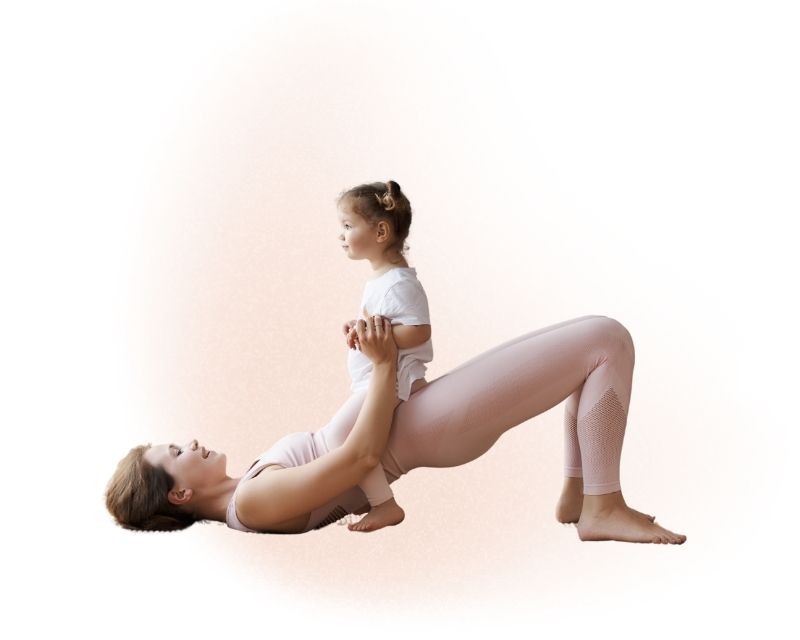
Easy postpartum pelvic exercises ideal for new moms
Research from the Journal of Sport and Health Science reviewed guidelines for returning to activity from all over the world. As a whole, most countries suggest gradually resuming physical activity, but there were differences in the approaches.
 
In terms of the type of activity suggested, some of the more popular choices included aerobics, walking, cycling, and weight training.
 
However, the most popular exercise of choice? Pelvic floor exercises. And there’s a good reason for this!
 
Strengthening the pelvic floor through postpartum pelvic exercises is key for new mamas.
 
Not only will this help strengthen the muscles that support organs such as the uterus and bladder, but it will also aid in improving sexual health, decrease the risk of prolapse, and prevent leakage when you laugh, jump, or sneeze.   

When to start postpartum pelvic exercises?

According to the American College of Obstetricians and Gynecologists, strength exercises should be incorporated into a workout routine and performed at least twice a week in conjunction with 150 minutes of moderate-intensity aerobic activity.
This includes postpartum pelvic exercises, such as Kegels, and is especially important if you need to strengthen your pelvic floor.
 
For most healthy women who have had an uncomplicated delivery, the guidelines from the ACOG suggest that activity can begin soon after birth or when you feel recovered.
Again, speak with your physician for clearance, particularly if you had a C-section or other factors influencing your labor and delivery.
 
If you’ve been cleared for activity and you’re ready to begin your postpartum pelvic exercises, try these three highly effective postpartum pelvic exercises – and bonus, you can do them from the comfort of your own home!

Signs that you need more recovery time
Postpartum pelvic exercises may not be for you if you suffer from persistent issues

Although pelvic exercises after pregnancy are deemed safe (if done properly and with medical approval), you can do too much and too soon.

The most important thing to keep in mind as you’re recovering is simply that – you’re recovering! Birthing a baby is tough work, regardless if it was vaginal or via a C-section. Either way, the body needs to heal, and this timeline will vary for each individual.
 
If you are not mentally or physically ready to begin postpartum pelvic exercises, don’t rush it. Give yourself time to rest.
 
Another important factor to keep in mind is pain.
 
If you’re experiencing any pain or discomfort, stop what you’re doing and notify your physician. Your body might just be telling you that it needs a bit more recovery time before jumping into strengthening exercises!

Is pelvic exercise post pregnancy safe?
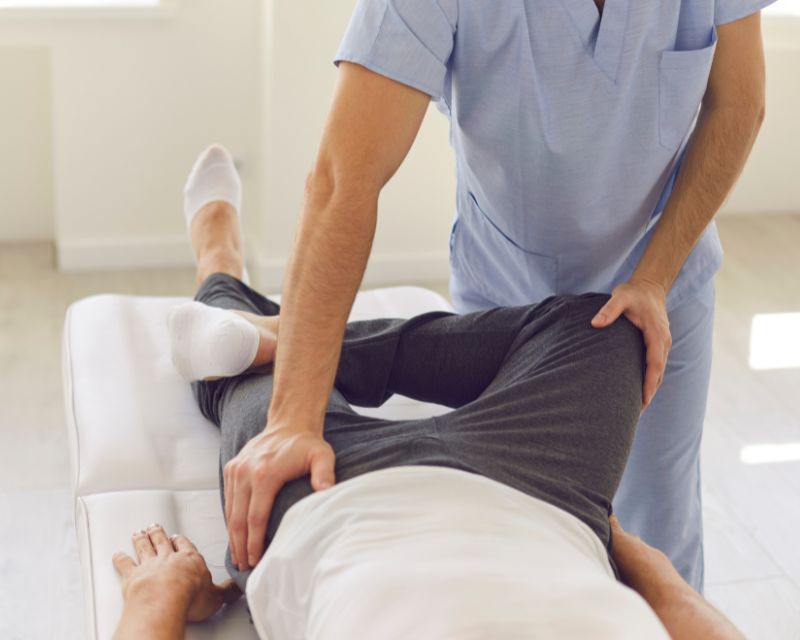
Postpartum pelvic exercises can also be done under the guidance of a physiotherapist
Before engaging in any activity, especially postpartum pelvic exercises, it is essential to consult with your physician.
 
The healing process is critical, so ensuring you reintroduce exercise into your routine safely and effectively is crucial.
Always check for the following:
  • no debilitating pain,
  • a green signal from your healthcare provider,
  • and persistent pelvic floor issues
And, as always, speak with your physician if you experience any pain or discomfort while participating in postpartum pelvic exercises or physical activities.
 
Suppose you are cleared for exercise but are still a bit wary. In that case, you can always hop onto Google and ask, “pelvic floor physical therapy near me” to enlist the help of a postnatal physiotherapist.
 
This is highly recommended if you are concerned about form or technique, or have other topics you’d like to discuss with a medical professional.
 
Remember that any movement after delivery has several benefits, so if postpartum pelvic exercises aren’t where you want to begin, that’s perfectly fine! Move in a way that feels comfortable, and you can incorporate pelvic strengthening exercises at your leisure.
 
Are you a member of our running mommas community? If you’re aiming to get back into postpartum running, ensure that your pelvic muscles are strong before lacing up your sneakers!
Scroll to Top