
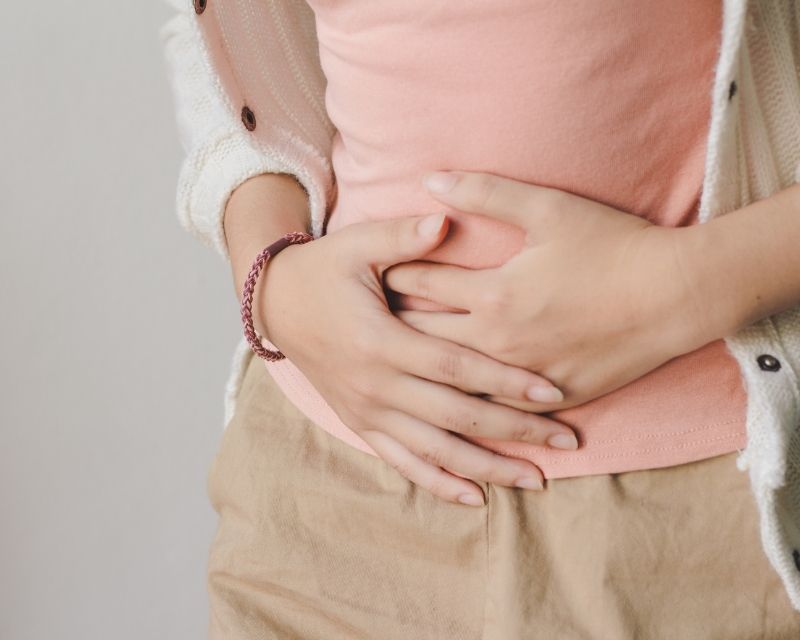
Ever felt pelvic pain while walking? You’re not alone, and you’re not imagining it. That strange ache, pressure, or sharp twinge in your lower belly, hips, or groin can make even a short walk feel uncomfortable.
Whether it comes and goes or sticks around every time you move, pelvic pain can really get in the way of everyday life.
In this article, we’ll walk you through the most common causes of pelvic pain while walking, what symptoms to look out for, and simple, practical solutions to help you feel better.
Ready to move with more comfort? Let’s get started.
Table of Contents
Common causes of pelvic pain while walking
Pelvic pain can sneak up on you when you least expect it. One day you’re out for a walk or running errands, and the next, you’re feeling sharp pressure in your lower belly, hips, or groin.
Simple movements like walking or standing can suddenly feel painful and uncomfortable. It helps to understand what might be behind it.
Pelvic pain while walking can be pretty inconvenient. It affects how you move, how you feel, and your overall energy.
But here’s the good news: most causes have simple, body-friendly solutions.
Pain in this area often means something is tired, tight, weak, or irritated. Let’s take a closer look at the common causes.
Muscle imbalances
Tight or weak muscles in your hips, pelvis, or lower back can throw your body out of alignment.
For example, tight hip flexors from sitting too much can pull your pelvis forward and strain your lower back. That tension makes walking uncomfortable.
Pelvic floor dysfunction
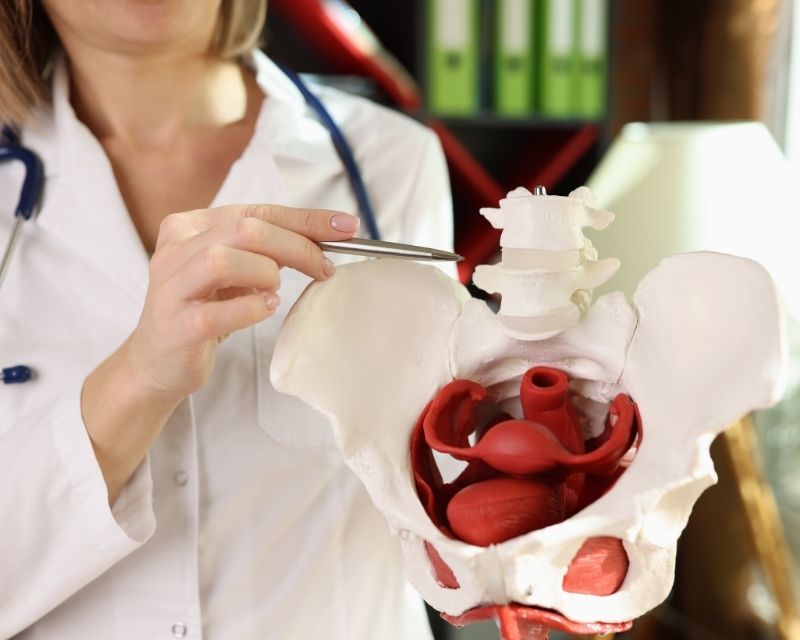
Your pelvic floor supports your bladder, bowels, and reproductive organs. If these muscles are too tight or too weak, you might feel pain or pressure while walking.
A tight pelvic floor can be just as problematic as a weak one by affecting how your pelvis moves and feels.
Hip and joint issues
Conditions like arthritis or bursitis can cause pain that spreads into your pelvis. Damaged cartilage or joint inflammation in your hips may lead to clicking, popping, or pain with every step.
Lower back or nerve problems
Tight lower back muscles or herniated discs can press on nerves and cause pain that travels to your pelvis, hips, or legs. Movement like walking can make these symptoms worse by activating those tight, overworked areas.
Previous injuries or surgeries
Old injuries or surgeries can leave scar tissue or joint stiffness that affects how your body moves.
For example, a fall, a car accident, or even surgery in your abdominal or pelvic area leaves you with after-effects. This tightness pulls on your pelvis and changes how you walk, and you might start compensating without even realising it.
Bladder or reproductive issues
Conditions like endometriosis, ovarian cysts, or bladder inflammation can trigger pain that feels worse when walking or moving.
Once you pinpoint what’s causing your pelvic pain, you can begin to build strength and mobility in the right way. With gentle, consistent movement, most people start to feel real relief.

What pelvic pain while walking feels like
You might feel one or more of the following symptoms:
-
A dull ache or sharp pain in the hips, groin, or lower belly
-
Pain that worsens the longer you walk
-
A sense of pressure or heaviness in your pelvis
-
Pulling or tightness in your hips or thighs
-
Clicking or popping noises in your hips
-
Stiffness when you start moving
-
Pain that spreads to your lower back or legs
If walking is your go-to way to stay active, this kind of discomfort can feel frustrating. But the good news is that gentle, targeted movement can help you build strength, improve mobility, and reduce pain over time.

How long does pelvic pain last?
Pelvic pain while walking can last a few days or stretch out for several weeks. It all depends on what’s causing it.
If it’s linked to muscle tension or overuse, it might ease with a bit of rest and stretching.
But if it’s related to something deeper, like pelvic floor dysfunction or joint problems, it may take longer.
In general, if your pain hasn’t improved after two weeks of gentle care and movement, or if it’s getting worse, it’s a good idea to speak with a healthcare professional.
Simple solutions for managing pelvic pain while walking
You don’t need fancy equipment or intense workouts to feel better. In fact, low-impact exercises can make a big difference.
The goal is to build strength and flexibility in the right areas, especially your core, hips, and pelvic floor.
Here’s how movement helps:
-
Strengthens your core and pelvic muscles
-
Releases tight areas pulling your body out of balance
-
Improves blood flow and healing
-
Increases joint mobility
-
Boosts your mood and energy
Start slow. Choose gentle movements that feel good. Avoid high-impact exercises like jumping or running until your pain improves.
Pelvic tilts
Strengthens the core and stretches your lower back.
Bridge pose
Strengthens glutes and pelvic floor without pressure on joints.
Kegels
Targets the muscles that support pelvic organs.
Hip flexor stretch
Loosens tight hip muscles that affect walking comfort.
Child's pose
Loosens tight hip muscles that affect walking comfort.
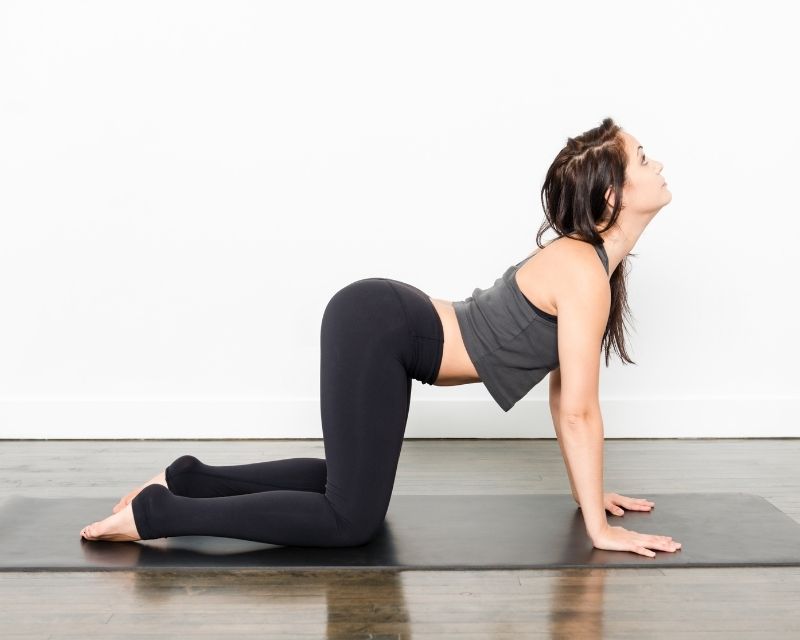
Cat-cow stretch
Moves your spine gently and reduces back tension.
Wall-sits
Builds glute and leg strength to support your pelvis.
Side-lying leg lifts
Strengthens hip muscles that stabilise your pelvis.
Gentle walking (the right way)
Gentle walking can help if you pace yourself, wear supportive shoes, and listen to your body.
These are just some of the most effective postpartum pelvic exercises you can do. However, these other habits can contribute to your recovery, too:
-
Drink plenty of water
-
Stretch gently each morning
-
Avoid slouching when you sit or stand
-
Rest when your body needs it
When to see a professional
If your pelvic pain is sharp, long-lasting, or getting in the way of daily life, don’t wait to get support.
A pelvic health physiotherapist can help identify the root of the problem and guide you through exercises tailored to your needs.
Seeking help early can prevent small issues from turning into bigger ones. It’s also one of the best things you can do for your long-term comfort and strength.
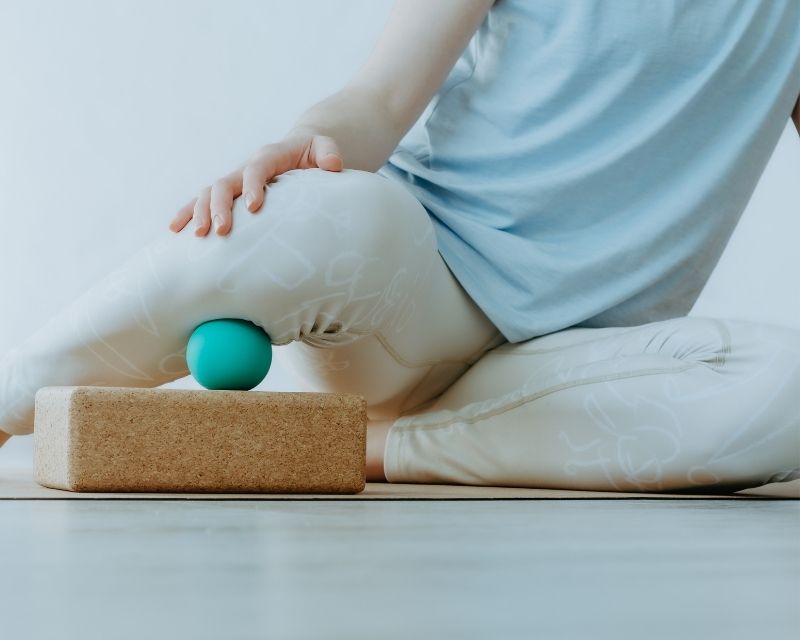
Your next step to managing pelvic pain while walking
You don’t have to power through pelvic pain or accept it as your new normal. We’ve covered a lot here, like:
- what might be causing your discomfort,
- what that pain can feel like,
- and the kinds of movement that can gently bring relief.
You’ve also got a better sense of how long pelvic pain can last and when it’s time to reach out for extra support.
The main thing to remember? Your body heals best when you move with care, build strength where it counts, and give yourself permission to rest when you need it.
Start small, stay consistent, and trust that comfort is possible.
