
There can be many excuses for not running outside in the winter. Claiming you can’t run with a jogging stroller in the snow shouldn’t be one of them.
From a modest dusting to firmly packed powder, jogging strollers impressively maintain a solid ride while rolling through a winter wonderland.
This article tells you what you need to confidently run with a jogging stroller in the snow.
That way, you won’t have to miss out on miles thinking, “If only I could run with a jogging stroller in the snow, I’d be out there.”
Instead, you can credit blown-off workouts to valid excuses like the temperature!
Table of Contents
My Experience with Running with a Jogging Stroller in the Snow
My Summit X3 Jogging Stroller and I live in Michigan. Unfortunately, during the winter months, our home is annually pummeled with light to heavy snow.
Although I’ll brave knee-deep snow when running solo or with my equally brazen running friends, I limit the conditions to which I expose my jogger and my kids in the winter.
I don’t run with a jogging stroller in the snow when...
There is an active winter storm happening.
Snow depth or density endangers the stroller’s ability to turn or maintain a stable ride on the sidewalk.
Temperatures are below 20º F (-6º C).
Snow is more than four inches deep on the sidewalks.
Snow texture is icy and jagged, causing harsh jolts and potential wheel damage.
7 Tips to Run with a Jogging Stroller in the Snow

The following tips apply to jogging strollers, not regular strollers.
A regular stroller is not built to handle running speeds in the best weather conditions, let alone snow.
In order to run with your baby in the snow, you need to buy a jogging stroller.
1. Get Your Jogging Stroller Winter Ready
Pack your jogger with warming supplies for you and your little passenger to get it ready to roll in the winter.
Things to have in your jogging stroller during the winter:
-
Thick cozy blanket
-
Extra mittens and hats for you and baby
-
Weather shield/stroller cover (if you use one)
-
Towel
-
Hand warmers
Aside from staying warm, staying seen is just as important when running with a jogging stroller.
Because it gets dark earlier during the winter months, consider coating bits of your jogger’s frame with reflective tape or stickers to make it highly visible to approaching vehicles.
You can also equip your jogging stroller with a bike light for increased visibility when running in the dark.
2. Understand Basic Wheel Care
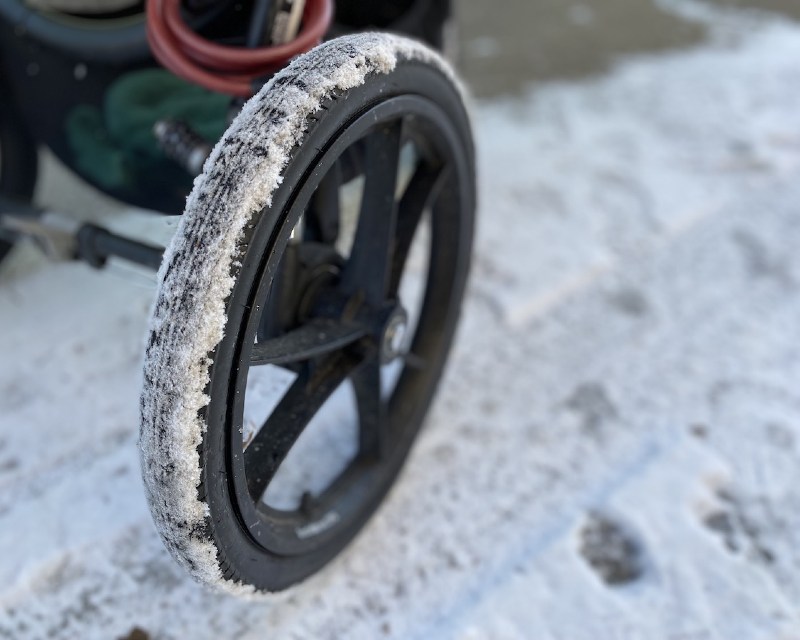
Jogging stroller tire care is rather low maintenance.
You don’t need to worry about lacquering or priming your jogger’s tires with a snow seal. They also don’t need to be fitted with tiny chains.
To ensure your tires make it through the snow-covered season:
- Dry them off after use if they get wet during your run.
- Store your stroller off the ground if you keep it outside.
Moisture, whether left on tires post-run or absorbed from frosty concrete, can hasten tire aging. It may even cause your tire to crack or deflate.
It is always recommended that you store your jogging stroller inside.
But that’s not usually possible, as they are the size of shopping carts.
I keep my jogging stroller folded in the trunk of my car during the winter, and it runs as well as the day I got it (four years and two kids ago).
Check Tire Pressure Every Now and Then
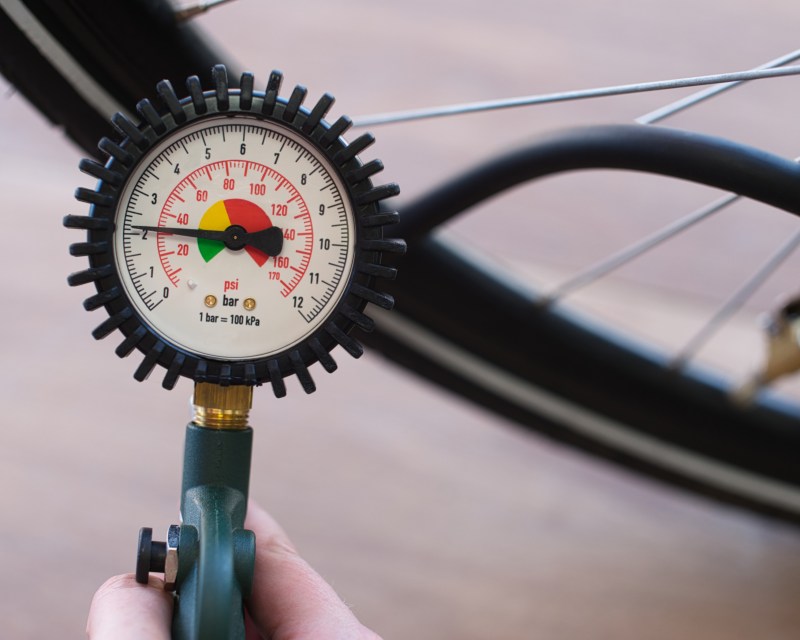
As temperatures drop, you may notice your jogging stroller’s tires become a little soft. Like car tires, a jogger’s tire pressure is affected by winter’s massive shifts in temperature.
For every 10-degree drop, the tires might need some air.
Give them a little pump if they start to feel squishy. Check your jogger’s wheel for PSI information.
3. Make the Ride Cozy
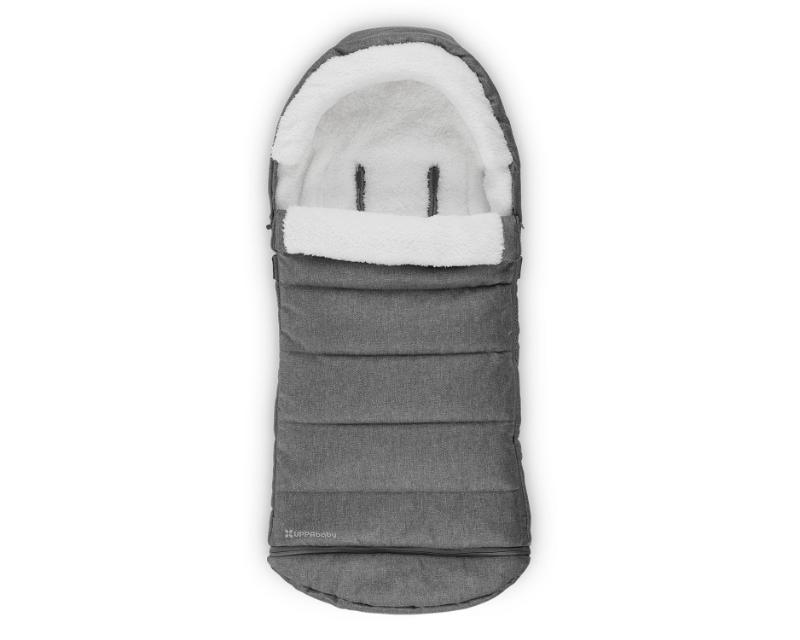
If your jogging stroller has a travel system (where you mount your baby’s infant car seat onto the jogger’s frame), invest in car seat bunting like this bestselling footmuff or stroller sleeping bag.
The bunting works like a sleeping bag designed to fit over the car seat’s opening.
If your child is over six months of age and riding in the jogger without a car seat, keep a thick, heavy blanket in the undercarriage to place over your toddler up to their shoulders.
This, combined with a hat and the shielding from the stroller canopy, protects the baby from biting wind chill and locks in heat.
4. Check Weather Conditions
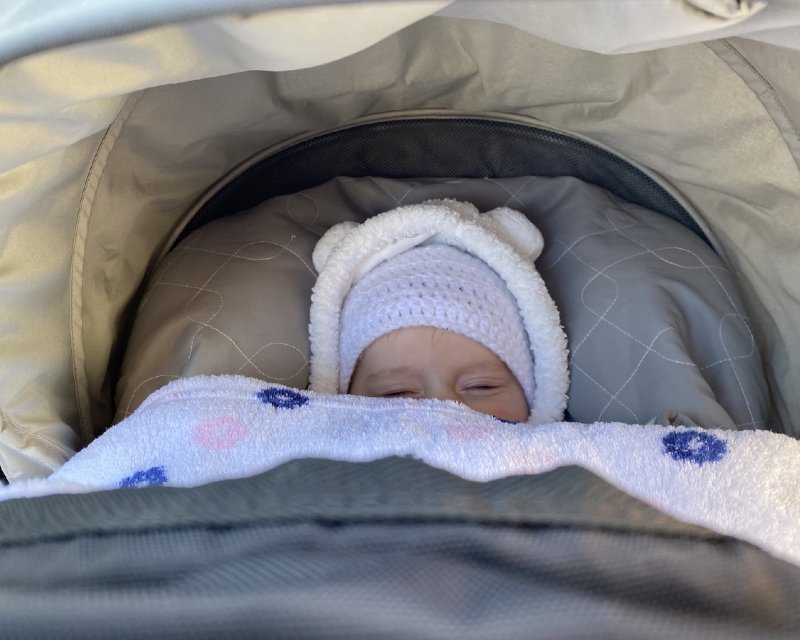
The current weather and outdoor temperature are the ultimate deciding factors if you can run with your jogger in the snow.
Your jogging stroller may be able to survive freezing temps and polar storms, but this is not the time to test your baby’s tolerance.
Avoid running in active snowstorms and when the outdoor temperature is below 20º F (-6º C).
Even temps between 20º F and 30º F should be limited to no more than 30 minutes (and involve tons of layers).
5. Focus On Strength and Stride
Forget about stats like pace and distance! Running with a jogging stroller is hard, and running with one in the snow is significantly harder.
Instead, pay attention to finding a stride and speed that works for this advanced level of exercise.
When you take on the snow, focus on the feeling in your body as it adapts to the new challenge.
Note how your body has to work harder to push that truck of a stroller forward—your glutes are putting in more work than usual, and your shoulders burn a tad extra from holding that thing steady.
This is not evidence of being out of shape.
This is a testament that you’ve taken on a workout of advanced difficulty, and YOU ARE CRUSHING IT.
6. Prepare For More Strength Training
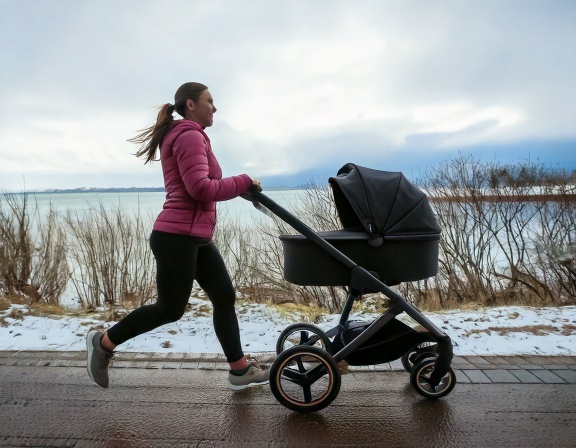
Don’t be discouraged when you get winded sooner than usual. Again, you’re pushing the weight of what Sherpas carry to an Everest base camp.
Running with a jogger in the snow decreases your speed and distance covered. However, it ups your resistance training and improves your cardiovascular threshold.
So, even if you’re barely reaching five miles per hour while cutting through the snow with your baby in tow, realize you’re actively building strength and endurance.
7. Don't Forget Water

It’s easy to neglect hydration during winter workouts, especially with the same mindfulness we exercise when we sweat buckets in the summer.
Still, you need to apply the same importance to consuming liquids when running in the snow as you do when running in the Serengeti.
Don’t leave home without a water source for you and your baby.
Winter’s cold, dry air is very subtle in leaving you dehydrated. So, you need to drink your liquids whether you feel thirsty or not.
Will Running in the Snow Damage My Jogging Stroller's Wheels?
Stroller running in the snow and/or cold temperatures does not damage the wheels.
However, snow running (like snow driving) can make your jogging stroller’s brakes less responsive and jeopardize user control.
Rather than worry about the effect cold weather has on your jogger’s tough-as-nails wheels, be more concerned with treading carefully.
How Deep is Too Deep to Run in the Snow with a Jogging Stroller?
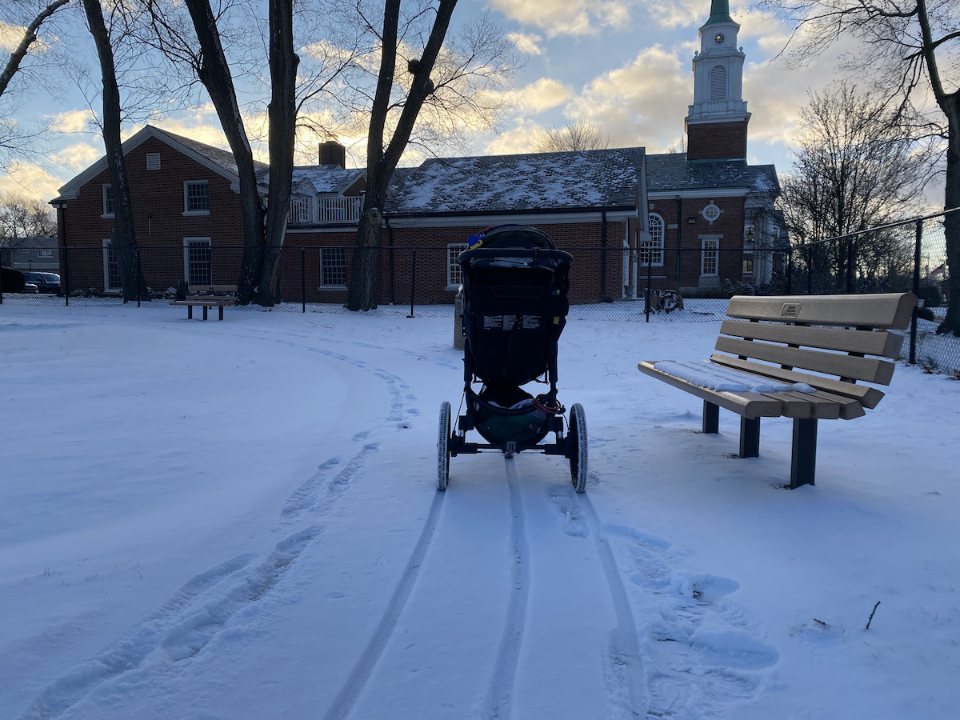
I’ve been able to run with my jogging stroller in up to four inches of dry snow—that’s the type of featherweight powder that doesn’t bog your ride with slush and moisture.
Four inches of wet snow is a different story.
It’s not impossible to run with a jogging stroller in wet snow. But it does increase the chances of slipping and sliding.
It also risks getting a bad driving review from your wee passenger.
Personally, I don’t force myself to run with a jogging stroller in the snow when it’s wet and heavy. I spare my baby the miserable ride (and myself the embarrassment) and run solo or eat cake instead.
What Are Stroller Skis?
Stroller skis are ski attachments that buckle onto your jogging stroller’s wheels.
These are phenomenal for snow-packed trail hikes or continuing stroller rides in areas that receive heavy snow regularly.
Skis For Multi-sport Jogging Strollers
If you rock a multi-sport chariot stroller, like the Thule Chariot Sport 2, browse the brand’s website for ski attachments compatible with your specific model.
Attaching skis to all-sport strollers involves switching out the wheels and replacing them with ski attachments.
Installation requires a little more work than it does with a regular jogging stroller. But adding skis to a Chariot jogger practically qualifies it for the Iditarod dog sled race!
How To Run With A Jogging Stroller In The Snow?
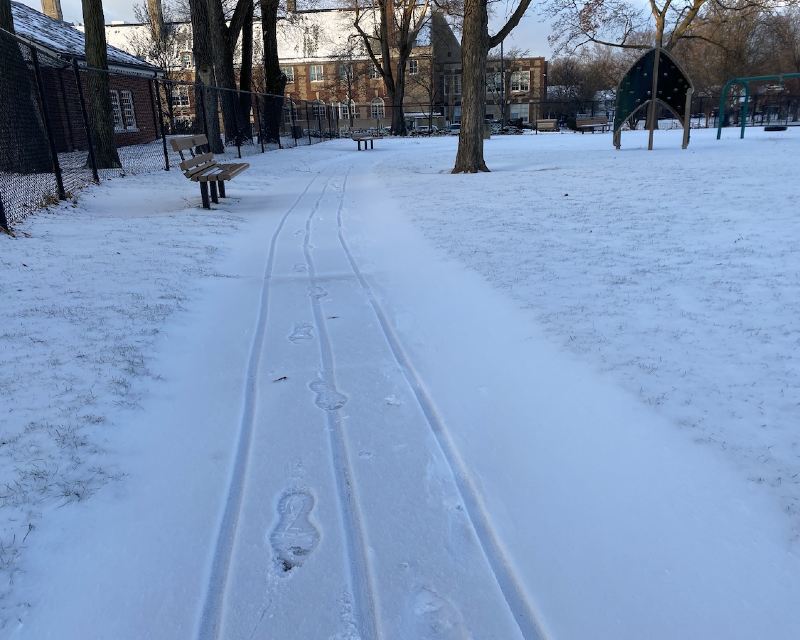
If I let snow cover keep me from running with my jogging stroller in the snow, I would miss out on months of running. It would, in turn, take a toll on my fitness and my postpartum depression.
For whatever reasons you have to run, there’s no need to allow snowfall to hinder your ability to fulfill them.
Being able to run with a jogging stroller in the snow is a matter of doing it and becoming familiar with the adjustments you learn to make along the way.
And, yes, it’s hella hard. But we at OTM know you’re going to get out there and do it anyway.
Happy trails!
