
Wondering when can I lift weights postpartum without injury or slowing down recovery? After weeks (or months for my C section mamas) of healing, many new moms are eager to feel strong again, and postpartum weight training can be an empowering part of that comeback.
But before you jump back into dumbbells and deadlifts, there are a few important things to consider.
From core stability to pelvic floor readiness, this checklist breaks down what you need to know to lift safely and confidently after giving birth.
When can I lift weights postpartum?
If you are desperate to get back into the gym but aren’t quite sure if your body is ready, you have come to the right place.
Below are eight clear signs of starting postpartum weight training safely and confidently:

You’ve been cleared by your healthcare provider
This is the non-negotiable first step. Before beginning any kind of structured exercise, including weight training, your doctor or midwife must give you the green light.

You no longer experience any major pain or discomfort
Some discomfort in the abdominal or pelvic area is normal after birth. This may last for anywhere between a few weeks to a few months, as recovery timelines vary.
That said, you should avoid lifting weights until any lingering pain is minimal or gone altogether.
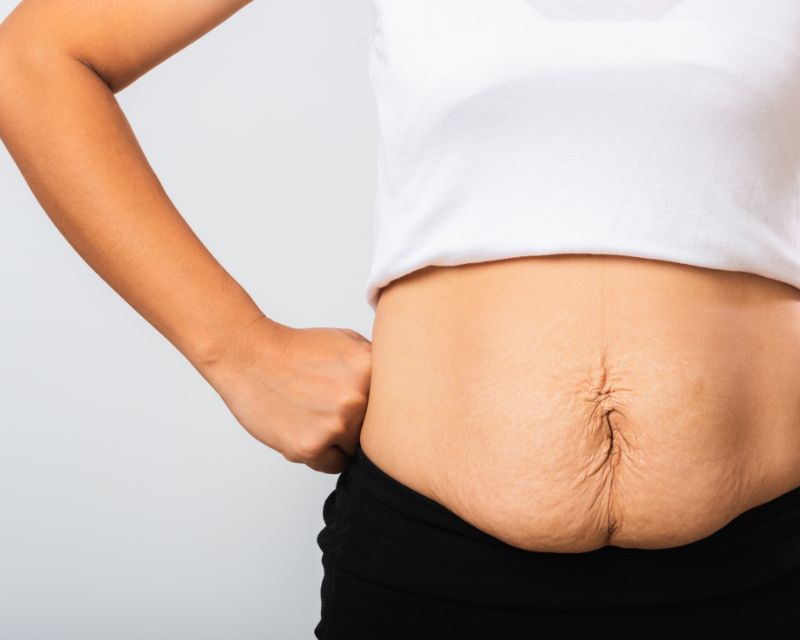
You've recovered from Diastasis Recti
Diastasis Recti—a separation of the abdominal muscles—is common postpartum and can make exercise risky if not addressed.
Remember, knowing how to fix diastasis recti as early as you can starts with identifying abdominal separation symptoms.
Since core stability is essential in strength training, you should wait until this has healed before lifting weights.
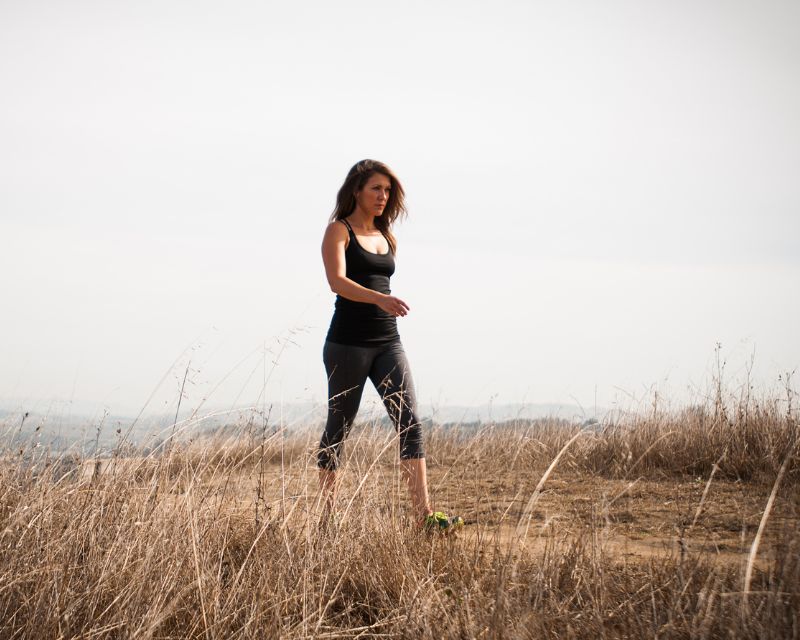
You're comfortable with low-intensity movements
Have you been walking regularly or doing other light activities without issue? That’s a good sign that your body is ready for the next step.
Remember: weight training doesn’t mean jumping into high intensity. Starting with bodyweight exercises is smart AND effective without overdoing it.
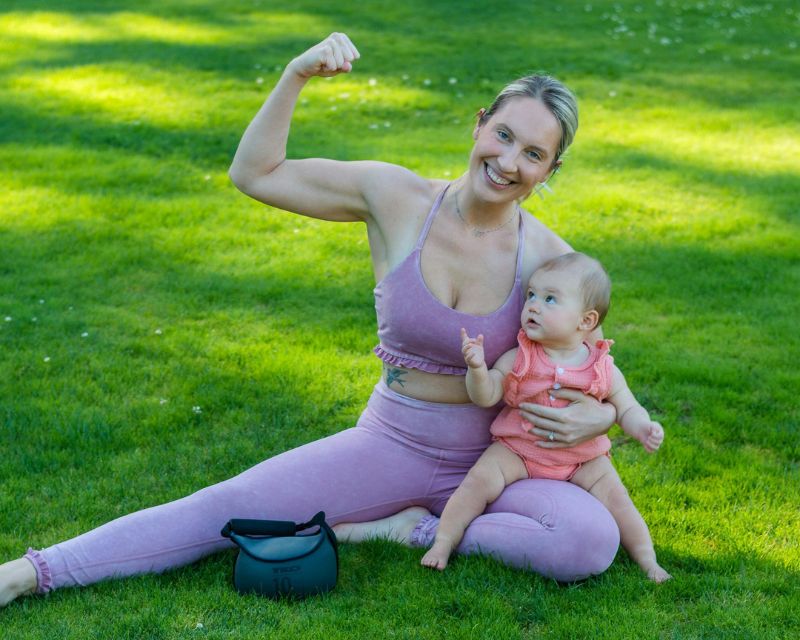
You feel mentally prepared
The mental side of recovery matters just as much as the physical. The first few months of parenthood are arguably the most difficult. You may not feel overly motivated about getting back into the gym.
After all, a lot of mothers prefer spending any free time catching up on some much-needed sleep.
If you’re feeling motivated and emotionally ready to return to a fitness routine, that’s a strong indicator that it’s time to reintroduce strength training.

Your energy levels are stable
You can tell a lot about your body through your energy levels.
If you wake up energized and are able to maintain this feeling throughout the day, you are more than likely ready to hit the gym.
On the other hand, if you constantly feel fatigued and burnt out, it is probably best to give your body a few extra weeks of rest.
I also find that following a healthy postpartum diet massively helps regulate my energy levels, too!
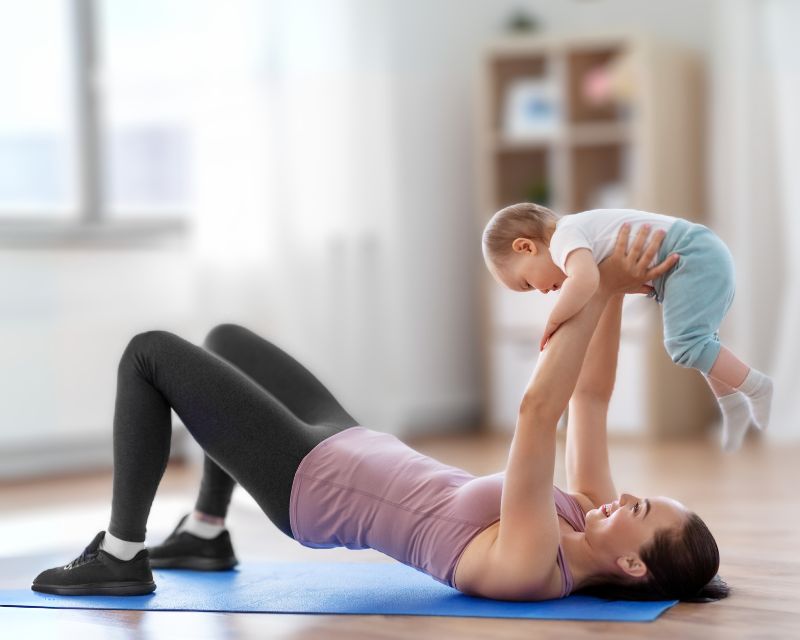
You've been doing regular pelvic floor strengthening exercises
The pelvic floor takes a hit during pregnancy and delivery. For this reason, it is highly recommended to strengthen this area before returning to any weight training.
If you are confident that your pelvic floor is strong and can handle the extra load, you might be ready to return to the gym.
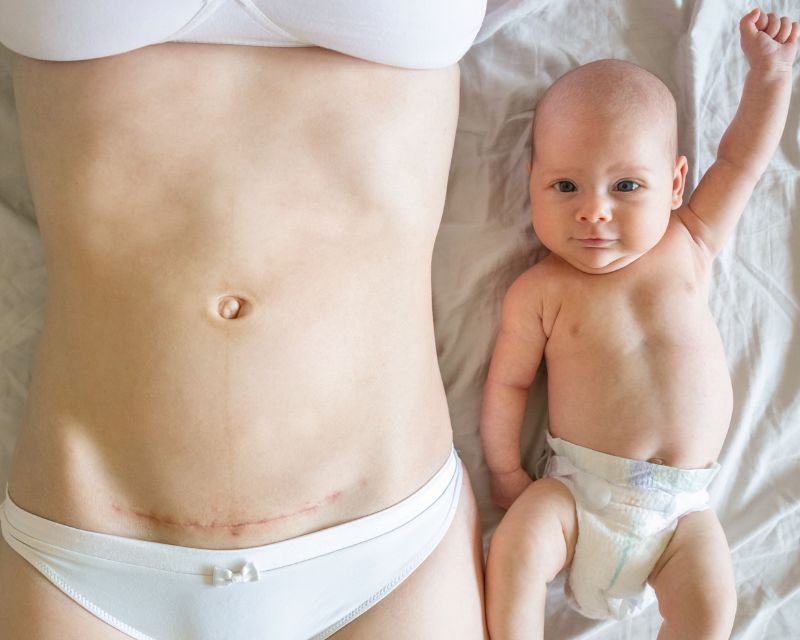
Your delivery type supports your recovery timeline
Your delivery—vaginal or C section—can affect when you’re ready to train.
If you had a straightforward vaginal delivery without complications, you might feel ready to begin light strength training as early as 4 to 6 weeks postpartum.
Since a C section is considered a major abdominal surgery, that changes the postpartum recovery timeline.
You’ll likely need 8 to 10 weeks or more before starting any form of weight training. Make sure your body feels fully healed before moving forward.
Be sure to gently ease yourself back into training through lightweight or body-weight exercises.
If you overdo it too soon, you risk injuring yourself or aggravating areas that might not have fully recovered from childbirth.
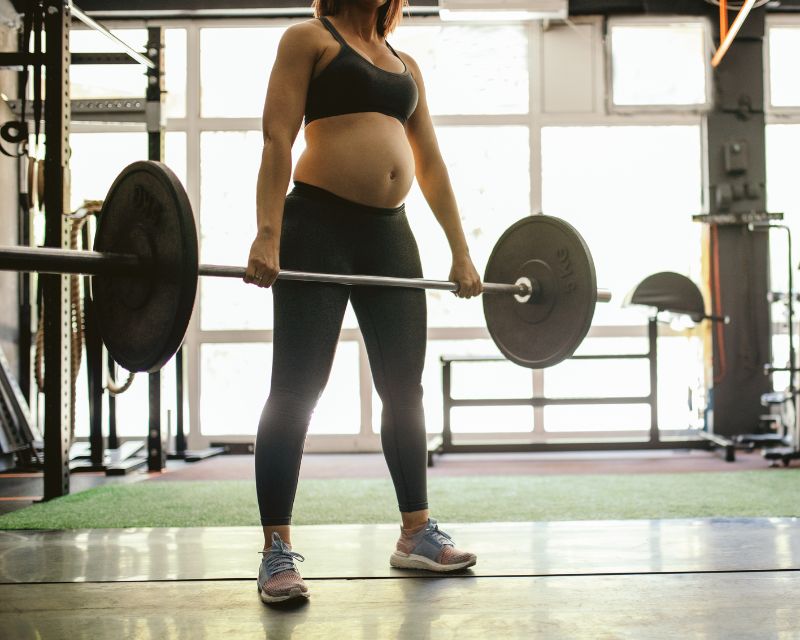
Benefits of weight lifting postpartum
Now that you know the signs before starting postpartum weight training, you might be wondering—why lift weights in the first place?
Beyond rebuilding strength, postpartum weightlifting offers a wide range of physical and mental benefits that can support your recovery and overall well-being.
A few of the major benefits associated with postpartum weight training include:
Increases muscle strength and improve posture
One of the most obvious benefits of weight training is that it increases muscle mass.
As a postpartum athlete, it is recommended that you focus on specific areas.
For example, your core, back, and legs are muscle groups particularly weakened during pregnancy.
By strengthening these muscles, you will also improve your overall posture, which is often affected by carrying a baby and breastfeeding.
Promotes post pregnancy weight loss
Regular strength training boosts your metabolism, which can aid in shedding excess pregnancy weight over time.
That said, weight loss shouldn’t be the primary goal in the early postpartum phase.
Instead, focus on building a strong, healthy body that supports your recovery and energy needs.
Also, body fat plays a huge role in milk production.
Reduces stress and boost confidence
Exercise is a natural stress reliever. If you’re struggling to cope with motherhood, scheduling some you time at the gym may be the release you need.
Enhances energy levels
Through the release of endorphins, you will notice an increase in your energy levels, as well as an improved mood.
Promotes healing
Any type of exercise, including weight training, can support your body’s natural healing ability through improved circulation and muscle function.

When can I start lifting weights postpartum?
Recognizing the signs that you’re ready to begin postpartum weight training is the first step toward rebuilding strength, confidence, and energy in this new chapter of motherhood.
If you:
- have been cleared by your healthcare provider,
- feel minimal discomfort,
- have healed from Diastasis Recti,
- and are comfortably engaging in low-intensity movement,
You’re likely showing strong signs to begin postpartum weight training.
Add stable energy levels, a healthy mindset, pelvic floor strength, and a delivery type that aligns with your recovery timeline, and your body may be more prepared than you think.
Ready to take the next step? Check out our other postpartum guides for more support, workout ideas, and encouragement on your journey back to strength.
