Are you wondering how to tell if you have diastasis recti? This common condition occurs when your abdominal muscles separate down the middle.
In this article, we’ll walk you through the symptoms, diagnosis, and treatment options to help you take control of your recovery and get back to feeling strong.

Common symptoms of diastasis recti
While some women notice a bulge, others may have a more prominent one. It’s not just a cosmetic issue; it’s a physical condition.
It often manifests as a bulge when you perform activities that increase intra-abdominal pressure, such as sitting up, coughing, sneezing, or lifting. It usually develops sometime in the third trimester, when there is increased pressure on the abdominal wall because the baby is growing quickly.
Most people do not notice, however, until after having a baby.
How it is diagnosed
How can you tell if you have diastasis recti? A healthcare provider can evaluate whether diastasis is present, where it is, and its severity.
It can occur above, below, or at the belly button. The physical therapist will use their hands to feel the abdominal area for gaps and muscle tone.
They may also use an ultrasound machine, measuring tape, or caliper for a more accurate measurement.
Look out for these signs if you think you have diastasis recti:
- Visible “pooch”
- “Jelly donut“ around the belly button
- Coning when you contract your ab muscles
- Noticable gap between your muscles
- Pain during sex
- Difficulty lifting objects
- Poor posture
- Urine leaks when you sneeze, cough, or jump
- Constipation
- Weakness
It usually affects 60% of women and, in some cases, can resolve itself within eight weeks of delivery. Approximately 40% of those who have this still have it by six months postpartum, so don’t be alarmed if yours does not disappear quickly.
What can be mistaken for diastasis recti?

Several factors can mimic the appearance of diastasis recti. Those include:
Excess skin
After pregnancy or significant weight loss, loose skin can easily be mistaken for diastasis recti, causing a pouch-like appearance.
Fat accumulation
Belly fat can factor in bulging stomachs, creating a similar look.
Bloating
Temporary or even chronic bloating can cause abdominal distention.
Hernias
Although hernias are related to weakened abdominal muscles, they are different conditions and require medical attention.
How fast can you fix diastasis recti?

Fixing diastasis recti can take time.
Recovery time varies on multiple factors, including the severity of the separation, overall health, and diligence with physical therapy exercises.
Some mild cases can be improved with targeted exercises. More severe instances may require more intense physical therapy programs or, in some cases, surgery.
It is essential to approach this with patience, realistic expectations, and kindness to yourself. Quick fixes often lead to setbacks, so be ready for a longer road to recovery.
Exercises to help fix diastasis recti
Try these exercises to help repair diastasis recti:
- Glute bridge: Focuses on glutes, hamstrings and lightly on your abs.
- Planks: One of the best exercises for fixing diastasis recti. If you are too weak to do a full plank, go down to your knees and work your way up.
- High lunges: Help with balance and core strength. Although it is not a directly targeted movement, it can still be beneficial.
You may also use other pelvic floor exercises to help with recovery.
What happens if you don't correct diastasis recti?

Untreated diastasis recti can lead to:
- Lower back pain
- Digestive issues
- Reduced core strength
Common misconceptions and myths
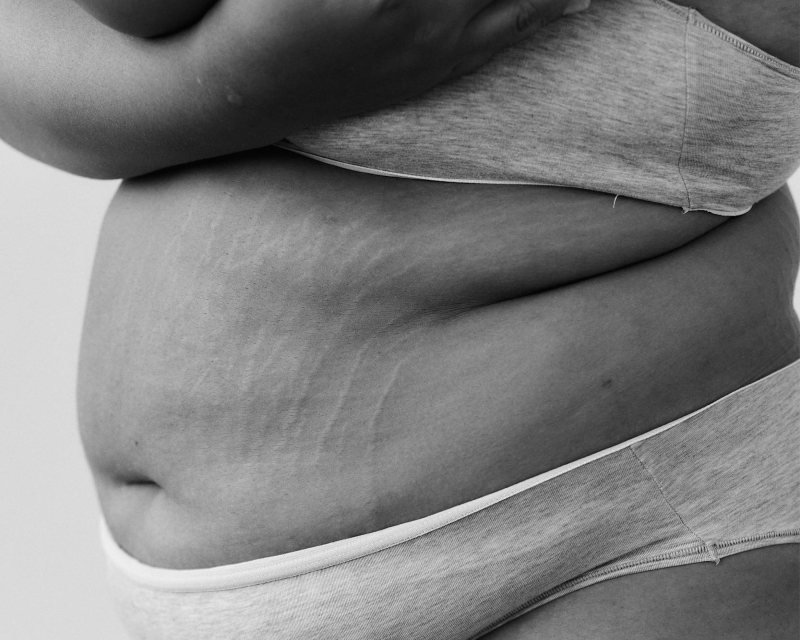
Despite being a common condition, with 33% of women having diastasis recti 12 months postpartum, there are still many myths floating around.
For example:
It’s just belly fat. While excess fat can contribute to appearance, diastasis recti is a muscle separation.
It’s irreversible. While severe cases may need surgery, many women are able to close the gap through exercise, patience, and time. Of course, diet plays a role in reducing excess body fat and the appearance of the bulge.
Hundreds of crunches will fix it. Traditional crunches worsen the diastasis recti, prolonging the healing time.
I can’t get rid of it. Although it may take a while, you can usually heal it.
My stomach will never be the same. Pregnancy is hard on the body. Do not give up on closing the gap and healing your diastasis recti just because it takes a prolonged period.
How to tell if you have diastasis recti
Always be on the look out for a visible pooch, a noticeable gap in your muscles, incontinence, and discomfort. These are telltale signs of diastasis recti.
In the end, if you are not able to heal your diastasis recti on your own, you may require surgery, which is okay! The surgery will not completely fix your abs; you will still need to strengthen your midline.
It is important to correct your posture, manage pressure, and avoid putting too much stress on the midline before your body is ready for it. Progressive overload is a great option for functionally healing a diastasis and leading to success.
Every BODY is different. Do not fall into the trap of comparing yourself to others. What may work for one person may not work for the next. It is essential to consult a healthcare professional, get a proper diagnosis, and follow a personalized treatment plan.