
I have to admit that after giving birth and during the busy weeks that followed, a good postpartum diet wasn’t one of my priorities. I usually craved high-energy foods and would often reach for those sugary snacks I had snuck into the house.
Still, it didn’t take long for me to want to get back to my pre-baby body and I knew I needed to do something to get myself back on track. Living on sugar wasn’t good for me, my baby or my energy and mood levels.

The internet is flooded with restrictive and crash diets, pressuring women to bounce back to their pre pregnancy shape.
I didn’t need all that extra pressure of dieting and calorie counting. I just wanted a no-nonsense postpartum diet approach that I could actually follow with my half-functioning baby brain.
Here are some of the tips I picked up in my research for the best way to follow a postpartum diet when you want to get back into shape.
Read along as I share with you the no-diet secret to help you rock your best mama’s life with all you deserve.
Key Principles of a Stress-Free Postpartum Diet
Restrictive, calorie-counting, and crash diets can create extra stress for new mothers. These develop unrealistic expectations for postpartum recovery, especially for mothers aiming for rapid and sometimes unhealthy transformations.
These approaches focus solely on weight loss rather than overall health, which can be overwhelming and detrimental to mental health. Mothers are almost set up for failure due to how impossible they are. It can’t be helped if you struggle and feel disappointed during your diet.
It’s definitely not what you’re aiming for when caring for yourself and your precious newborn, right?
If you’re not convinced yet, science sides with having a balanced postpartum diet instead of restriction. A 2020 paper by Opie et al., shows that a postpartum diet with “fruits, vegetables, fish, grains, legumes, and herb” helps reduce the occurrence of postpartum depression.
So, here are what you should prioritize in your diet for long-lasting results, endless vitality, and a whole new lifestyle:
Focus on Nutrients Rather Than Calories
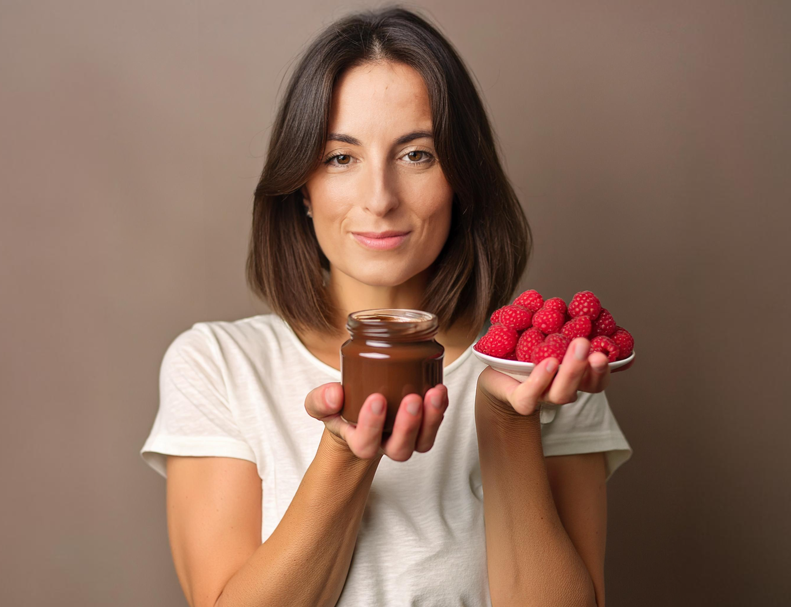
One tablespoon of Nutella contains 100 calories and 10.5g of sugar, with no nutritional value. On the other hand, one portion of raspberries equals 123g, 64 calories, and 8g of fiber.
Even though their calorie content is similar, their nutrient content is very different.
Raspberries are high in antioxidants, which can help you fight oxidative stress and heart disease. The high vitamin content strengthens the immune system, boosts metabolism (fat metabolism), and improves cognitive health.
Nutella is empty calories.
The point is that the nutrient content matters more than the calories themselves. You will undoubtedly know which is healthier, too.
For easy and healthy snacks for your little one, we’ve also compiled the most convenient snacks for toddlers that you may find helpful!
Everything in Moderation: All About Balance
After giving birth, new mothers should focus on their eating habits to recover and care for their newborn. But it’s also okay to indulge in occasional treats without feeling guilty.
It’s all about striking balance. You can enjoy a wide variety of foods without excess. Just be mindful of the portion size (avoid binge eating) and the frequency.
As a portion guide, you can trick your brain by using a smaller plate. Although you can’t fit huge portions on it, it looks big in comparison.

Control the Portion Visually
Divide your plate into sections for different food groups.
For example, a portion might include:
- Non-starchy veggies (spinach, artichoke, beans)
- Proteins (meat, fish)
- Grains (quinoa, rice, cous-cous)
- Perhaps some fruits
Consume Easy to Digest Foods
The digestive system is delicate during postpartum, so choosing foods that are gentle on the stomach is important.
Warm, nutrient-rich soups, stews, and quick superfood salads are your best friends during this period.
They are easy to prepare and provide essential nourishment for your body while aiding digestion health, making them ideal for new mothers. You can adjust them to your taste, too.

Stay Hydrated
Adequate hydration is crucial for postpartum recovery for breastfeeding mothers. Drinking plenty of water and other hydrating fluids helps maintain milk production and overall health.
It also supports the body’s healing process and energy levels.
Eat Nutrient Rich, Anti-Inflammatory Food
Consuming a diet rich in anti-inflammatory foods is essential during this period. This includes a variety of fruits and vegetables, lean proteins, healthy fats, and certain grains.
These foods help combat inflammation needed for healing and recovery after childbirth.
Whole Grains (oats, brown rice, quinoa)
Fiber is abundant in whole grains like oats, brown rice, and quinoa. These aid digestion and stabilize blood sugar levels.
In addition, whole grains contain B vitamins and minerals, which are crucial for energy and other health-related benefits.
Fruits and Vegetables (various colors and types, including leafy greens)
Fruits and vegetables have different types of vitamins, minerals, and antioxidants. Interestingly, the color of fruits and vegetables can tell us a lot about the kinds of nutrients they contain.
For example, leafy greens such as spinach and kale are rich in iron, making them an excellent choice for new mothers recovering from childbirth.
With various fruits and vegetables in your diet, you can ensure that you get a wide range of nutrients to support your postpartum recovery.
Healthy Fats (avocado, nuts, seeds, olive oil)
The word ‘fats’ may strike fear in every dieter’s mind. Isn’t that what we’re supposed to avoid?
But we’re talking about healthy fats here—not the ones that cause high cholesterol, aka saturated fats.
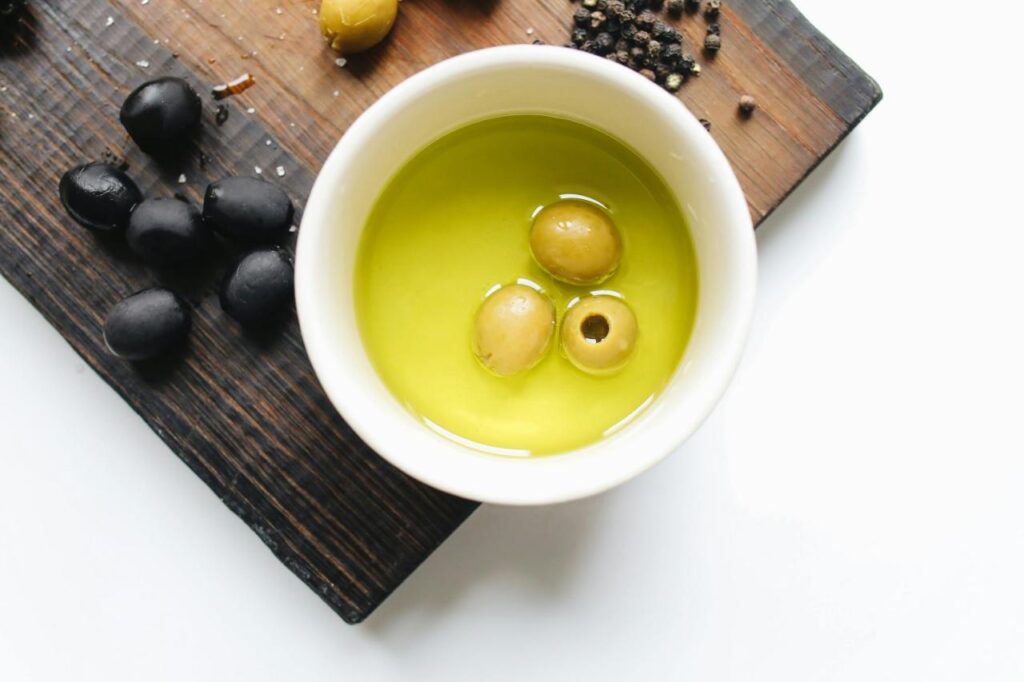
After giving birth, it’s essential to reset your hormones. To help with hormonal balance, you can depend on unsaturated fats. These healthy fats can also help the body absorb fat-soluble vitamins.
Foods like avocados, nuts, seeds, olive oil, and oily fish contain essential fatty acids that promote brain development, reduce inflammation, and improve cardiovascular health.
Dairy or Dairy Alternatives (for calcium and vitamin D)
Calcium is vital for healthy bones, while vitamin D is involved in calcium absorption and immune function.
These nutrients can be found in dairy products or fortified alternatives, which are crucial for postpartum women to keep their bones strong and healthy.
Foods to Avoid or Limit
During the postpartum period, several foods should be avoided or limited for the sake of the health of both the mother and the baby.
Excessive Alcohol
A glass of bubbly (or any other alcoholic drink) is generally safe for breastfeeding mothers. However, having too much to drink can affect taking care of your child.
Even after just one drink, small traces of alcohol may be present in breast milk, potentially affecting the child’s brain growth and sleep patterns. Additionally, heavy drinking can inhibit a mother’s recovery process, leading to dehydration and insomnia.
High Mercury Fish
You should skip the mackerel sushi in your local Japanese restaurant. Fish like swordfish and king mackerel tend to accumulate mercury in their bodies.
High mercury levels can damage the nervous system and are especially dangerous for an infant’s brain while breastfeeding.
Foods That Cause Digestive Issues
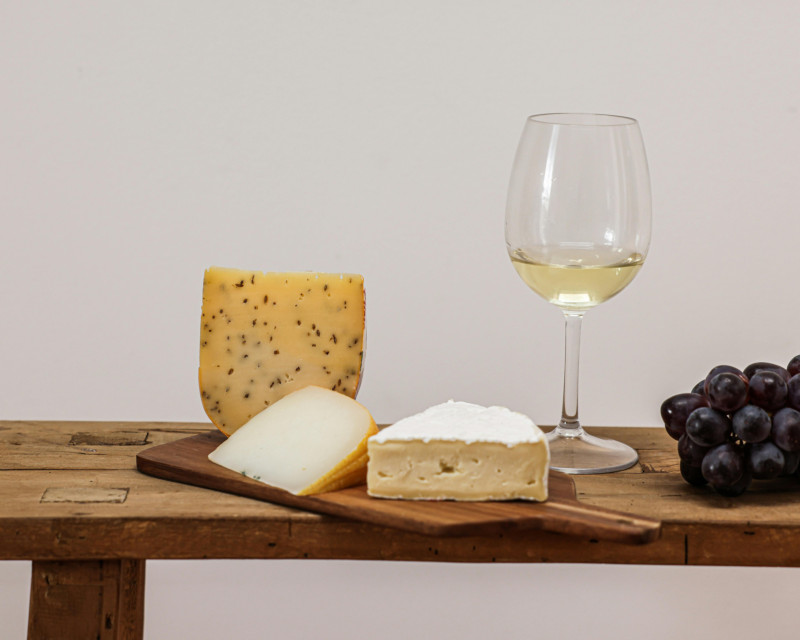
Consuming too much cheese or coconut water may lead to digestive issues such as constipation or diarrhea, which can be particularly discomforting and harmful for women during the postpartum period.
Foods Affecting the Baby (if breastfeeding)
Breastfeeding mothers should be aware that consuming caffeine, spicy foods, and foods high in vitamin C can pass through their breast milk and affect their baby’s health.
These substances can cause a disturbance in the baby’s sleep pattern, upset stomach, or even allergies.
Therefore, nursing mothers need to be mindful of their diet to avoid any potential risks to their baby’s health.
If you’re an active super momma who’s currently nursing, we also have a few tips you might find helpful for running while breastfeeding.
The Plate Method as Postpartum Diet
You know all about nutrients and the dos and don’ts, but you may still be confused about how to incorporate them into your postpartum diet. This is when the plate method can help.
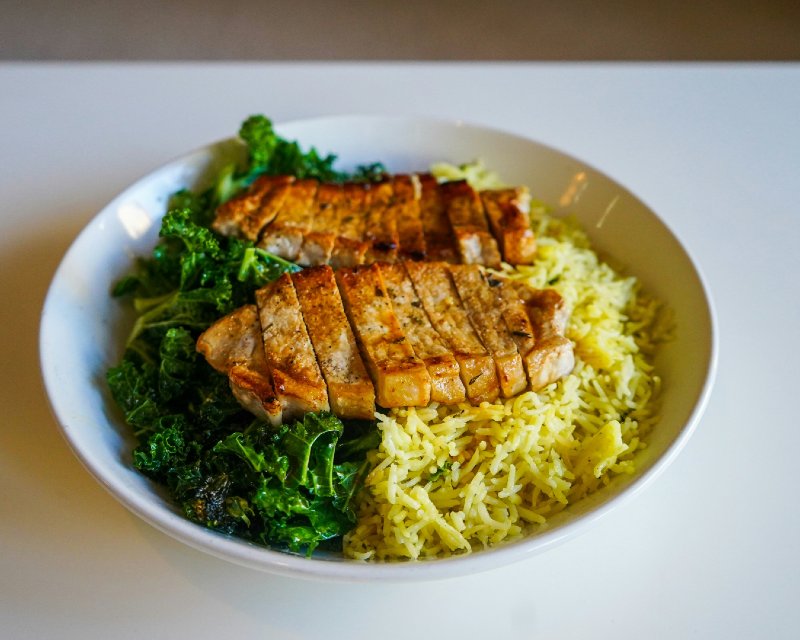
The plate method is a visual guide, not a diet plan, that helps create balanced meals.
For new mothers in postpartum, this method is a great way to structure meals for optimal nutrition. All while meeting the key stress-free non-dieting principles we mentioned above.
It involves dividing your plate into sections:
- Half for non-starchy veggies:
- A quarter for protein
- A quarter for carbohydrates along with healthy fats
This method ensures a good balance of nutrients, stabilizes blood sugar levels, and provides the necessary energy for the body’s demands during this crucial phase.
The Importance of a Healthy Balanced Diet After Childbirth
Postnatal nutrition is essential for several reasons and can help with the following:
Recovering from childbirth
The body requires time to heal and replenish the nutrients depleted during pregnancy and labor
Nurturing lactation
A nutritious diet is essential for breastfeeding mothers to produce high-quality breast milk.
Mental wellbeing
Optimal nutrition can impact mood and energy levels. So, if you’re eating well, you’re less likely to be prone to postpartum depression.

Conclusion
Online diets often encourage women to try to regain their pre-pregnancy shape as soon as possible. However, our method celebrates post-baby vitality. It visualizes portion control and prioritize balance, long-lasting health, and nutrients over calories.
We don’t believe in counting calories. Instead, we focus on overall health.
The postpartum phase is an exciting and challenging time for new moms. It’s not just about physical recovery. It’s also about bonding with your baby and adapting to a new routine.
That’s why we believe in a stress-free, non-dieting approach to help you and your baby navigate this phase easily. Hopefully, our guide on the ideal postpartum diet will help you stay healthy and happy during this time.
