Advice for New Moms on Postpartum Running

Thinking about getting back into running after having a baby? Postpartum running can be an exciting way to regain fitness and boost your mental well-being.

In this post, we’ll talk about what makes postpartum running different, why it can be an incredible tool for both physical and mental recovery, and how to do it safely. 

We’ll cover key advice for new moms, like knowing:

  • if you’re ready to return to running postpartum,
  •  postpartum running injuries,
  • and our method for returning to running after pregnancy.

The latter is a balanced approach that covers strengthening key muscles, easing into exercise, and listening to your body. 

By taking things one at a time, we’ll make sure your return to running is safe and feels good!

How Do You Know If You're Ready to Run Postpartum?

Getting back into running after having a baby can be a great way to rebuild strength and boost your energy. No fancy equipment needed!

But postpartum running isn’t quite the same as lacing up and hitting the pavement like you used to.

Pregnancy and childbirth changed your core, pelvic floor, and even your joints, which means your body may not move the way it once did.

Postpartum Running Self-Test

Before jumping back in, it’s important to start slow and pay attention to any signs that your body needs more time.

Here’s a checklist to see if you’re ready to start postpartum running.

5-minute postpartum running self test

When to Start Postpartum Running?

It typically takes 6-12 weeks after birth for your body to heal. If you had a cesarean, make sure to give yourself extra time to recover.

This is to ensure that you reduce and prevent the risk of common injuries listed below.

How To Start Postpartum Running?

We know how it feels to want to get back into the swing of things — quickly.

But, in this case, rushing to get back to your pace pre-pregnancy will only set you back even further. 

To reduce the risk of injury, try our three-step method for starting postpartum running:

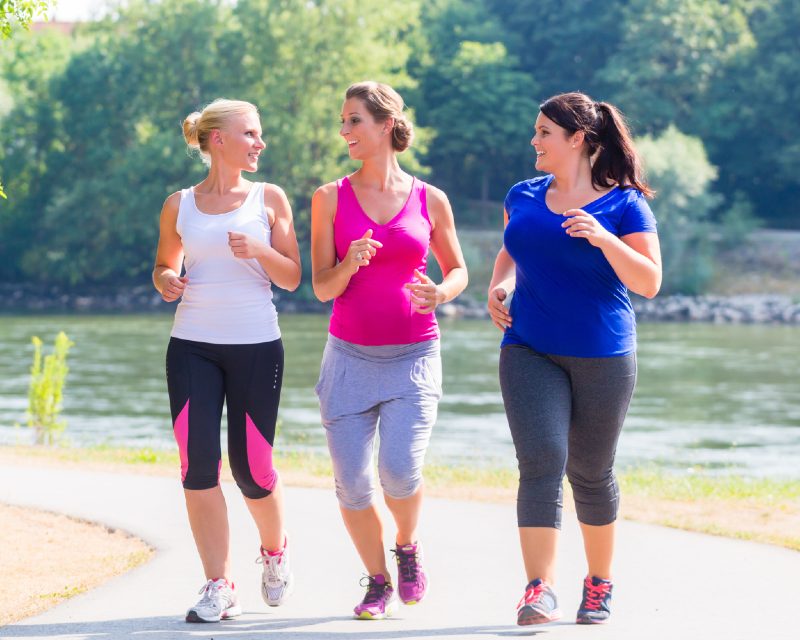
start postpartum running with other motivated mom friends

Ease Into It

Start slow to avoid overloading your body.

Begin with low-impact activities like walking to rebuild your stamina.

As your body adjusts, gradually increase the intensity with jogging or light running.

This steady approach helps minimize strain and sets you up for long-term success.

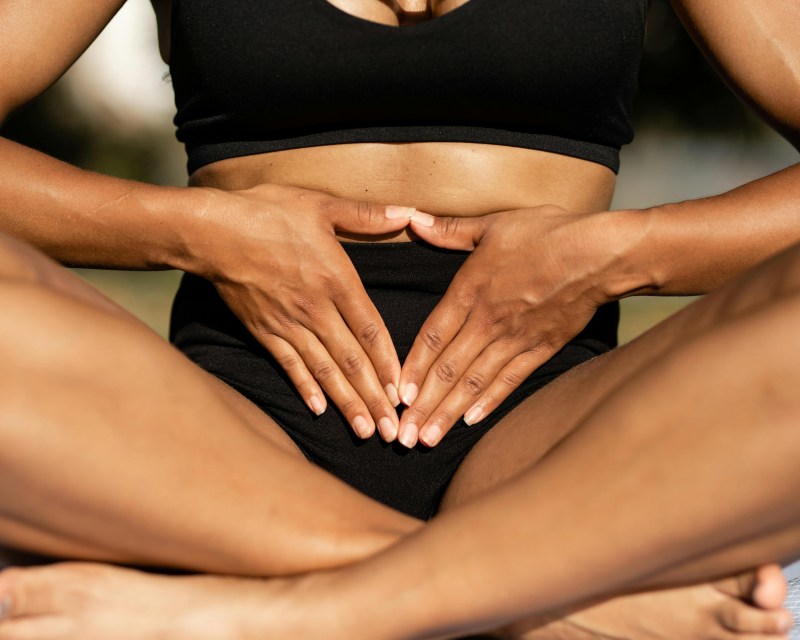
pelvic floor exercises will help you return to postpartum running

Prioritize Pelvic Floor Exercises

Your pelvic floor plays a crucial role in supporting your body during running.

Strengthening these muscles helps prevent issues like incontinence or pelvic pain as you increase your activity.

For example, these pelvic floor exercises for postpartum running ensure you’re ready for higher-impact movements without compromising your body’s stability.

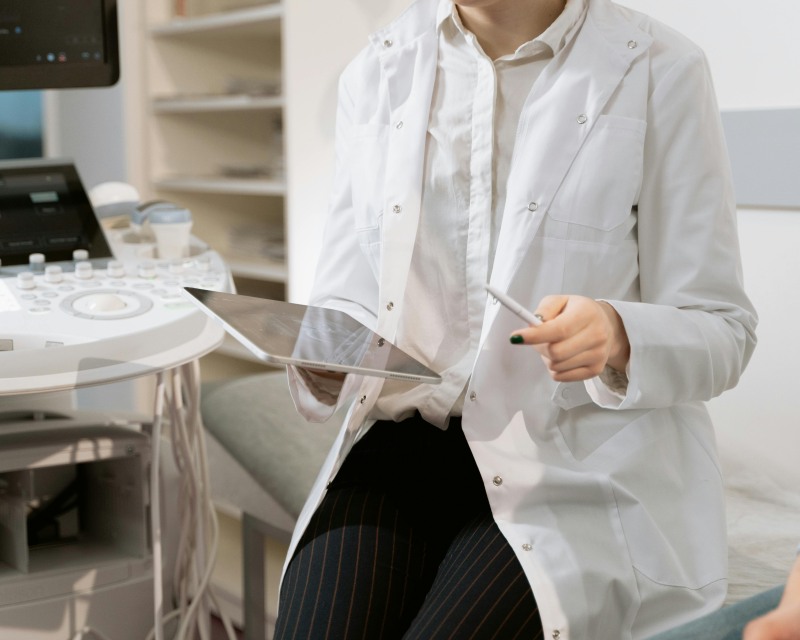
if you feel any discomfort, immediately see your physician

Listen to Your Body

Pushing through discomfort can lead to injury. Pay attention to what your body tells you.

If something doesn’t feel right, stop and take a break. 

It’s a good idea to consult a postpartum expert if you’re unsure about when or how to safely return to running.

Most Common Injuries in Postpartum Running

If you passed the readiness test, we’d still encourage you to take it easy.

In particular, your core and pelvic floor are especially vulnerable, which is why the most common postpartum running injuries include:

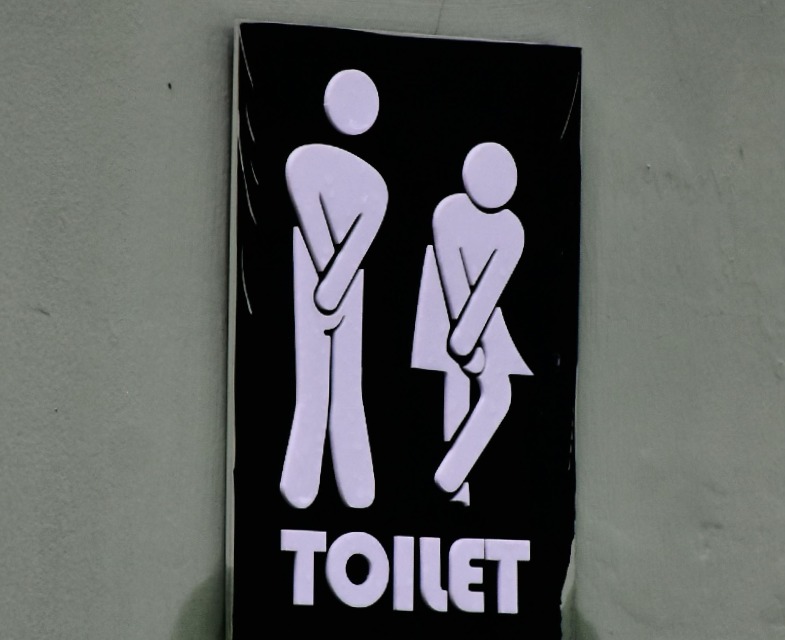
running postpartum with a weak pelvic floor results in incontinence

Pelvic Floor Dysfunction

The release of relaxin during pregnancy (aka the hormone that dilates the cervix) causes the weakening of the pelvic floor.

As a result, you may experience incontinence or even discomfort during exercise.

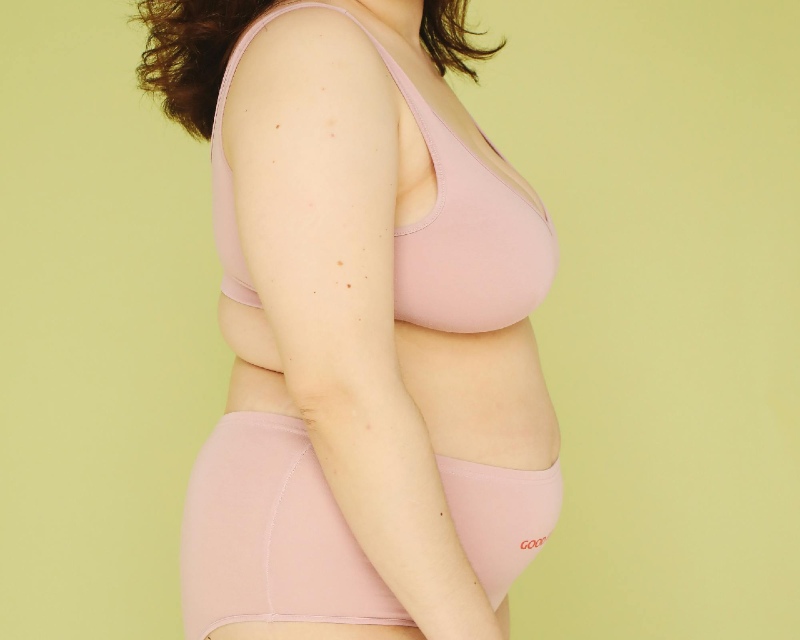
diastasis recti makes it harder to start postpartum running

Diastasis Recti

During pregnancy, the abdominal muscles separate, causing a gap in the middle of your abdominal muscles. 

The mommy pooch can cause instability and lower back pain while running. 

Fortunately, diastasis recti isn’t forever. There are ways to lose mom pooch without surgery.

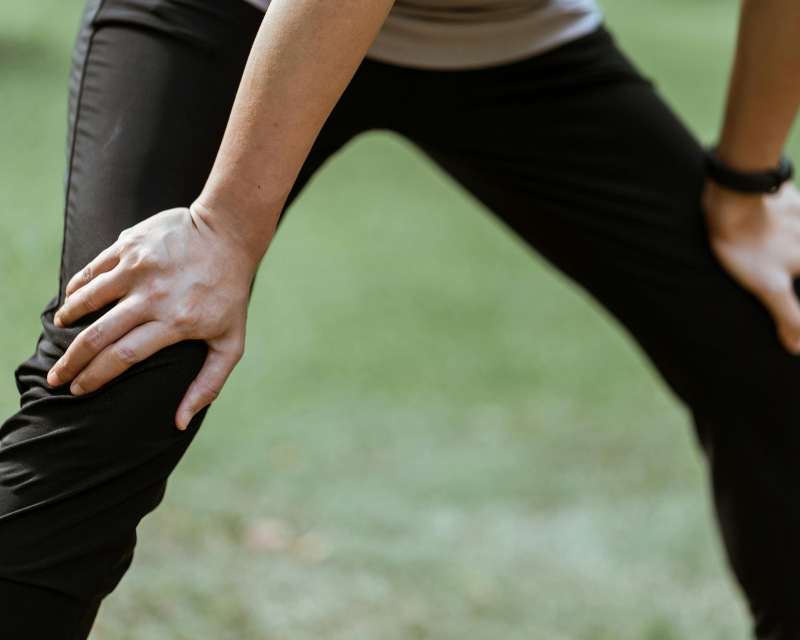
weaker joints result in knee pain when running postpartum

Knee Pain

During pregnancy, hormonal changes can loosen the ligaments around your knees.

Your joints are now less stable and more prone to injury.

On top of that, the extra weight from pregnancy adds more stress to your knees, which can lead to pain, especially during exercise.

Sporty woman holding baby

Benefits of Postpartum Running

Unlike other postpartum exercises, running offers a combination of physical and mental benefits that are hard to match. 

It’s not just about getting back into shape—it’s about supporting your overall well-being in a way that fits your new routine.

For example, it can help new mothers with the following:

Losing Weight

Postpartum running is an effective way to burn calories and kickstart weight loss.

It’s simple, accessible, and a great way to get moving after childbirth.

Maintaining Well-being

Mental wellness is just as important as physical health. As a new mom, it can be stressful working out a new routine with your newborn. 

Lucky for us, running boosts endorphins!

These happy hormones help improve mood and can be a great way to treat postpartum depression symptoms.

Bonding With Your Baby

Running with your baby in a stroller lets you spend quality time together while getting outdoors.

It’s a great bonding opportunity that helps your baby learn about the environment around them.

Using a pram when stroller running with your kiddo adds extra resistance to your workout, making it a win-win.

new moms can start postpartum running with the right preparation

My Advice for New Moms on Starting Postpartum Running

Having postpartum running in your recovery routine contributes to a healthier lifestyle after giving birth.

Make sure you’re ready by consulting your healthcare provider.

Ease into running with low-impact exercises before gradually increasing intensity.

Pay attention to common injuries and take precautions to avoid them by focusing on key areas like pelvic floor strength.

It’s no surprise that many turn to postpartum running for help with weight loss, improve well-being, and offer a much-needed mental boost.

My final advice for new moms? Be kind to yourself and enjoy your new journey!

Founder of The Babies HQ

Jamie Leema

Jamie is a mother of 3 with a passion for healthy living and sustainability. She belives in making conscious choices, staying healthy and adopting sustainable practices to reduce impact on our world. Jamie shares her knowledge and extensive research on these topics through her blog; The Babies HQ.

Leave a Comment

Your email address will not be published. Required fields are marked *

Scroll to Top