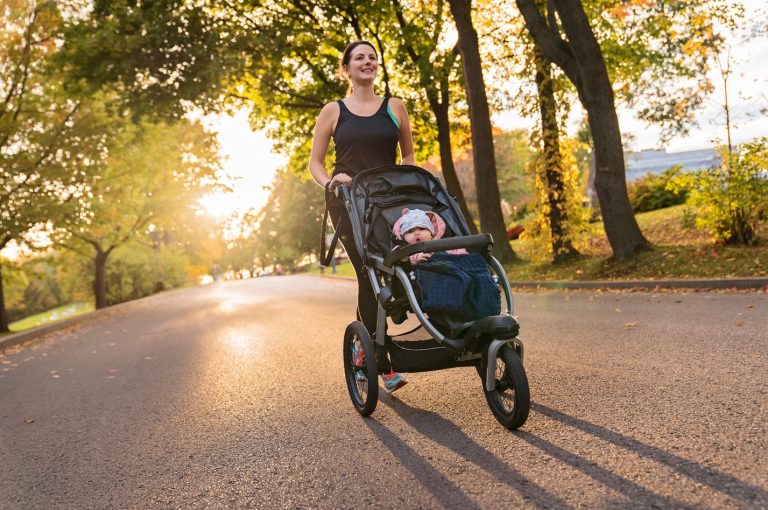
Getting back into running postpartum is a significant milestone for many new mothers, and a step toward feeling like themselves again.
For many moms, getting back into exercise after childbirth is a top priority.
Beyond shedding baby weight, its about regaining confidence, strength, and a sense of self.
Focus on these 3 simple but effective steps to get back to running postpartum:
Strengthen your pelvic floor
Start with walk – run intervals
Incorporate cross training
When can I start running after having a baby?
The general guideline for starting running postpartum is 6-8 weeks after vaginal delivery and 8-12 weeks after a c-section, or once your doctor clears you
By 6 weeks postpartum, most women are no longer bleeding and their uterus has returned to pre-baby size.
However, each mother’s recovery is unique and it’s important to listen to how your body feels and make small, gradual progress to avoid injury.
Our community of moms highly recommend seeing a qualified women’s health specialist or physio before returning to intensive exercise.
How to start running again after giving birth
1. Assess and strengthen your pelvic floor and core muscles
Whether you had a vaginal or c-section delivery, your pelvic floor muscles will be weakened. A strained pelvic floor leads to urinary incontinence, pelvic pain, and other issues.
While many moms joke about peeing when they laugh, cough, sneeze, or run, it’s important to know that this is not normal if it persists long after pregnancy.
Addressing Your Pelvic Floor Dysfunction
If you experience leaking, it may indicate pelvic floor dysfunction. It’s essential to address this before continuing with exercise to prevent further issues.
Incorporate stretches that specifically target the pelvic floor.
Professional Support
Consult a physical therapist or trainer specializing in postpartum recovery for tailored guidance.
Recommended Program: MUTU:
Our tribe of mothers highly recommends the MUTU programme for postpartum recovery.
The program focuses on:
Reengaging your pelvic floor.
Strengthening deep abdominal muscles.
Preparing your body for exercise and daily activities.
2. Start with walk-run intervals
Walking is a fantastic activity to start for your body.
Begin on flat, even surfaces.
Gradually introduce short runs into your walks.
Progress gradually:
Start with intervals: Run a few hundred meters, then walk.
Slowly increase the running time while decreasing the walking time to let your body adapt and minimize injury risk.
Space out your runs:
Run on non-consecutive days to allow for proper recovery.
Once you can run continuously for ~30 minutes, begin increasing your run frequency.
Add one additional day per week, maintaining this for a couple of weeks before progressing further.
Monitor your body:
Watch for red flags like pressure, pain, or leakage.
Stop running if these occur and consult a doctor or physiotherapist for guidance.
3. Incorporate cross training to rebuild your strength
Your body is going through a lot of changes and incorporating cross training into your routine can help to reduce your risk of injury and rebuild your strength.
Yoga, cycling, swimming and gentle workouts are all fantastic cross training activities that can help minimize the stress that running may put on your body.
Juggling this around a new baby can be a challenge, but we recommend keeping it to small, short activities. Anything is better than nothing at all!
What do I need to start postpartum running?
1. A good supportive sports bra
After all the changes that have occurred to your body, its essential to invest in a comfortable sports bra.
Chances are that your old sports bras don’t fit anymore. Plus, if you have a little one to nurse, you’ll want a bra that makes it easy to swap from running mom to feeding mom in a matter of seconds. Check out our Top 7 Sports Bras for Running.
2. Quality running shoes suitable for postpartum
No one-size-fits-all when it comes to the best postpartum running shoes as every mother’s feet are different! But make sure your shoes tick these boxes:
Support: Look for shoes with good arch support, as this can help alleviate pressure on your pelvic floor.
Cushioning: Soft cushioning can help reduce the impact of running on your joints and back.
Fit: Look for shoes that fit snugly, but not too tight, to avoid blisters and other foot injuries.
Breathability: Shoes with good ventilation will help keep your feet cool and dry, especially during hot summer months.
Flexibility: Look for shoes with a flexible sole that can accommodate the natural movement of your feet while running.
3. Comfortable, supportive leggings or shorts
Leggings or shorts that fit your new postpartum body shape can make a difference! Your old shorts or leggings might not cut it and it’s important to have clothing that fits for running.
4. Anti-chafe gel or spray
Once you get into longer runs, you may find your body takes a while to adapt and some rubbing or chafing can occur. Common areas include shoulder straps, under your sports bra, and around your toes or feet. Having something to combat chafing can help you to continue your running schedule without having to wait for painful skin abrasions to heal.
5. Running watch
Having a running watch can really boost your performance as you can track your progress and be motivated to keep going a little bit further with each run.
6. Jogging stroller (if you plan to run with your baby)
A jogging stroller for running is essential if you want to start taking baby on your training runs.
To become an ace on the footpath, check out our jogging stroller resources here: