
Your body goes through a lot when you’re pregnant, and getting into shape after having a baby can be a little tricky. For so many women, the answer is a simple one: postpartum weight lifting.
Jumping back into workouts too soon can slow down your recovery, while waiting too long can make it harder to rebuild strength. So, when is the right time?
Follow our guide on when and how to start weight training. Kiss those postpartum pounds goodbye and say hello to a slimmer, stronger you. Are you ready?
When can you start postpartum weight training?
The right time to start weight training ultimately depends on how you delivered your baby.
If you had a vaginal birth, most doctors recommend waiting around six weeks before starting a structured exercise routine.
But for those who had a C-section, the recommended waiting time is usually extended to around 8 to 12 weeks.
When can I lift weights postpartum? Well, every woman’s body is different, and your healing time may be different, especially if you had any complications during pregnancy or birth.
It’s always recommended to check with your doctor and check for these signs if you’re ready for postpartum weight training.

The first few weeks
The first few weeks of your weight training program after pregnancy should focus on restoring your strength and ability.
That usually means focusing on your core and pelvic floor strength.
Instead of jumping into heavy lifting, the first few weeks should be spent doing exercises that will help rebuild your foundation.
Your 2 weeks postpartum exercise plan should include:
- pelvic tilts to strengthen your abs,
- glute bridges to activate your core,
- and simple weighted squats to get your leg muscles firing again.
Aim to do a workout two to three times a week, keeping the sessions relatively short.
Really listen to your body and make slow, controlled movements to avoid any straining and discomfort. As you start to regain some strength, you can increase the intensity of your workouts.
Six to twelve weeks
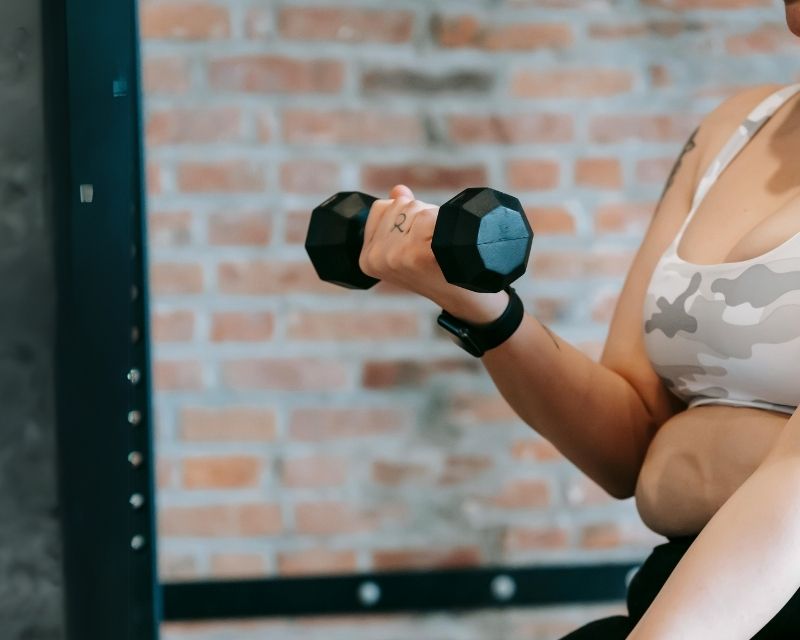
Once you hit that all-important six-week mark – or longer if you had a c-section – and you have the green light from your doctor, you can start adding a few light weights into your postpartum weight lifting workout.
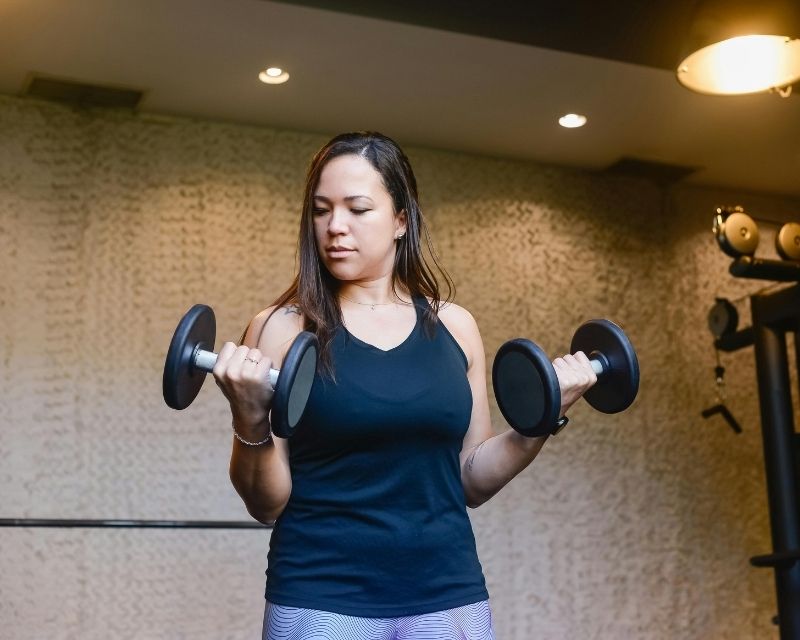
This is the time to add dumbbell exercises like bicep curls and lunges. Slowly work towards a general goal of 30-40 repetitions.
Focus on your form and adapt your routine based on your goal.
Add more load and decrease reps for more power. If endurance is more your thing, you’ll likely have to settle for a lower weight while upping the reps.
For lower-body workouts, step-ups and deadlifts are recommended. You can also add core-strengthening exercises like planks.
Three to six months
By the time you reach the three-to-six-month postpartum mark, you’ll likely be feeling stronger and more confident in your workouts.
Now is the time to increase the intensity of your weight training.
Add heavier dumbbells or kettlebells and incorporate more full-body strength movements like squats, deadlifts, and rows.
Maintain your focus on your core stability and avoid ramping things up too quickly to prevent any injuries or setbacks. If you experience any pain, modify your movements.
Be sure to check in with your doctor to ensure you aren’t suffering from an underlying cause like ab separation symptoms.
Beyond six months
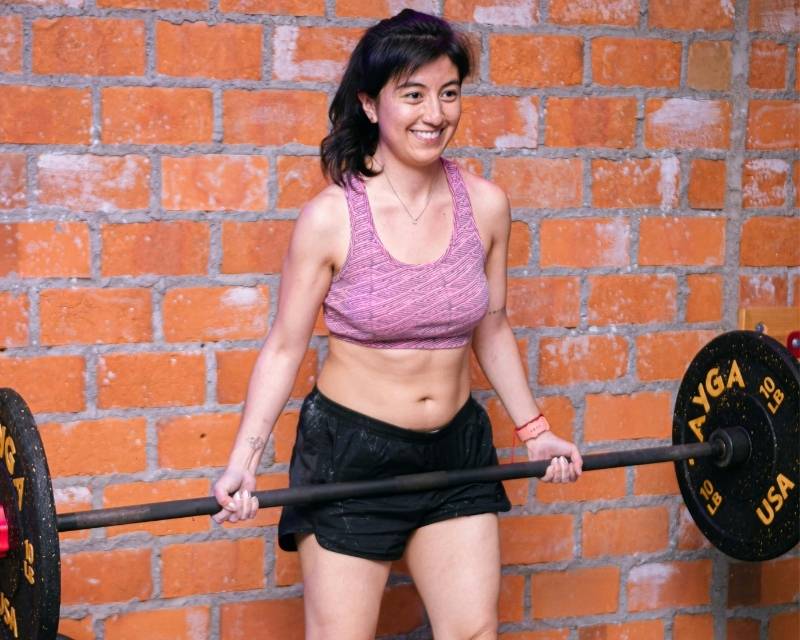
Once you hit the six-month mark, you may feel ready to dive back into an even more intense postpartum weight lifting routine.
You may even find yourself getting back into your rigorous prenatal workout routine!
Whether your goal is to build some muscle, improve your endurance and overall wealth, or just tone things up, weight training is your best friend postpartum.
Some days will feel easier than others, and that’s totally normal, too.
Listen to your body, practice a little patience, and adjust your routine as you need to. The goal is to feel stronger, not drained and in pain.
Avoid these postpartum weight lifting mistakes
When you’re ready to start your postpartum weight lifting journey, it’s important to be careful and avoid some of these common mistakes.
Skipping core and pelvic floor recovery
Strengthening your core and pelvic floor muscles first will help you prevent any injuries and speed up your recovery and weight training journey.
There are many tools available to help, like this highly rated pelvic wand.
Lifting too heavy too soon
Don’t grab the heaviest weights first. Always start with something light and move on only when you are ready to.
Ignoring the warning signs
Pain, excessive fatigue, and leakage are not normal. Your body simply needs more time to recover. Take it slow and focus on small, controlled movements.
Neglecting rest
Recovery and rest are just as important as exercise and good nutrition. Ensure you’re getting enough rest—as much as life with a newborn allows—and take regular breaks.
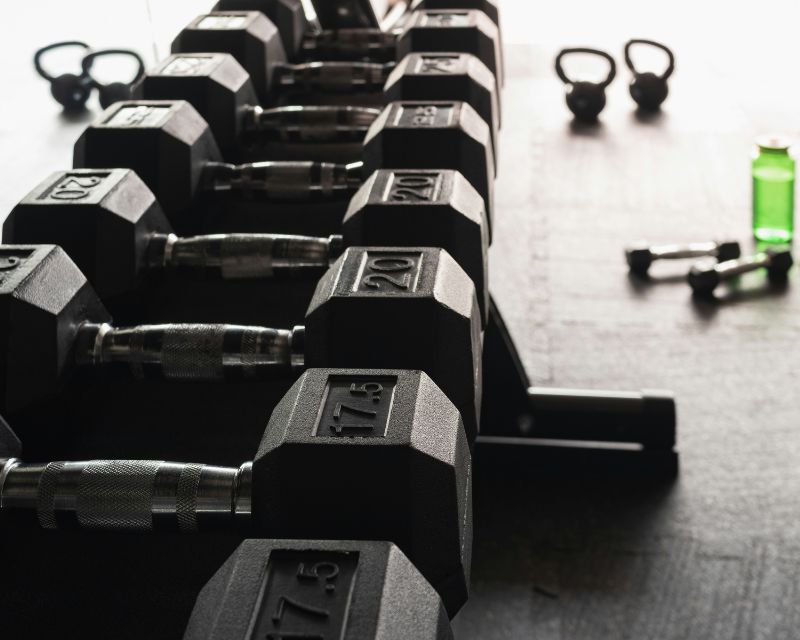
Postpartum weight lifting 101
Weight training after pregnancy is an excellent way to regain strength, energy, and confidence. But you need to ensure that your body is ready for it.
For the first few weeks, start with gentle movements that encourage pelvic floor recovery.
Six to twelve weeks after giving birth is the best time to introduce light weights into your routine.
Further on, about three to six months in, is to have a more intense workout routine with heavier weights.
Beyond six months, adjust your postpartum weight lifting program to fit your needs, either for strengthening or toning.
Remember: progress at your own pace and listen to your body. If something feels uncomfortable or painful, back off and give yourself more time to recover.
Be patient and focus on the small wins, and you’ll feel stronger each week.
You are in complete control of your weight training journey. So take it slow, focus on your strength, and find movements that work for you.
