So, you just had a baby, and you’re wondering what postnatal physiotherapy can do for you.
First of all, congratulations on your new adventure! Your body is probably feeling sore and tired, because you just went through what felt like running a marathon two times in a row!
Let’s get to the important thing: recovery.
Giving birth is a beautiful and empowering experience, but your body may need some tools to recover, and therapy is here to help.
Postnatal physiotherapy, which is also known as women’s health physiotherapy, after childbirth, can be a game-changer in your postpartum journey.
Let’s dive into how it can help you!
Table of Contents
What is postnatal physiotherapy?
It is a specific form of physical therapy that focuses on helping your body recover and regain strength after childbirth.
A physiotherapist can create a personalized plan to address your concerns.
They can give you a solid path forward into recovery utilizing tools such as manual therapy, exercise, and education on body mechanics.
When should you start postnatal physiotherapy?
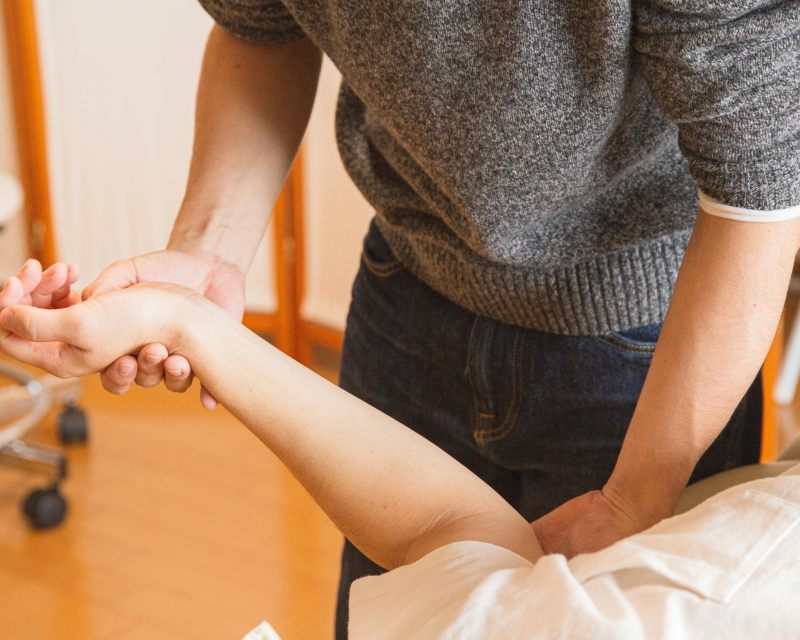
While some women wait until their 6-week check-up, you can discuss starting physio even before delivery.
There are movement restrictions before your first 6-week check-up, so be sure to ask about the do’s and don’ts of exercise.
A physiotherapist has also been known to help prepare your body for childbirth and advise on safe exercises during pregnancy.
So, don’t feel like you need to wait to be seen postpartum.
What happens at a postnatal physiotherapy appointment?
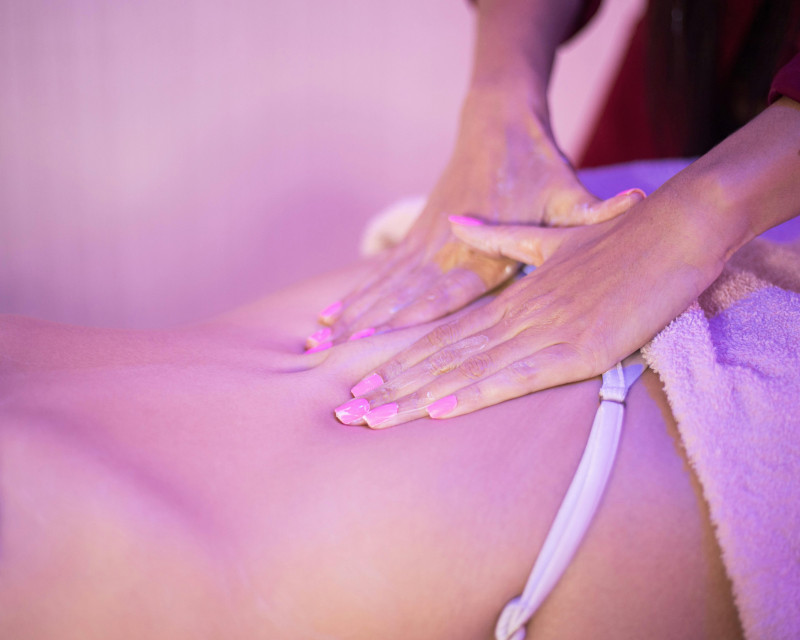
Since postpartum recovery begins with the pelvic floor, the first appointment with your physical therapist will involve:
- a discussion of your birth experience,
- any current concerns,
- and your overall goals.
The physiotherapist will likely perform a physical assessment to evaluate your posture, muscle strength, and pelvic floor function.
Based on this assessment, they will create a personalized treatment plan that will help you recover and get your strength back!
According to the NIH, the abdominal musculature is stretched to 115% of its resting length by the 38th week of pregnancy.
As a result, it’s a must to have time and a structured rehabilitation plan to help with recovery according to a study on maximizing postpartum recovery by Selman et. al., (2022).
10 reasons why you need postnatal physiotherapy after having a baby

Here’s why postnatal physiotherapy can be game-changing for recovering new moms!
1. Enhance core strength
Physiotherapists will design exercises specific to heal diastasis recti (abdominal separation) and strengthen your core.
According to a study by Wang et. al., (2020), a postnatal physiotherapist can help bring these muscles back together through targeted exercise.
Also, another study on postpartum recovery by Selman et. al. (2022) emphasizes that regaining this strength is critical for posture and back support.
2. Minimize pelvic pain
Whether from vaginal delivery or a C-section, pelvic pain is a common concern.
Postnatal physiotherapy offers targeted exercises and manual therapy to address pain, improve pelvic floor muscle function, and promote healing.
3. Kiss incontinence goodbye
Don’t be alarmed if you are experiencing this common postpartum issue.
Because of the weakening of the pelvic floor, many women experience incontinence after childbirth.
Physiotherapy can strengthen the pelvic floor muscles, improve bladder control, and prevent leaks.
4. Banish backaches
Carrying a baby and breastfeeding can strain your back and neck. Physiotherapists can assess your posture and identify muscle imbalances.
They can make an exercise plan to alleviate back pain and prevent future discomfort.
If you want additional tips on your form, physiotherapists can teach you proper lifting techniques and stretches to help relieve sore muscles.
5. Reduce C-section scar tissue
C-sections are a common birth experience, but unfortunately, so is scar tissue. This can lead to pain and tightness.
Physiotherapy helps manage scar tissue, improve mobility, and reduce discomfort in the incision area.
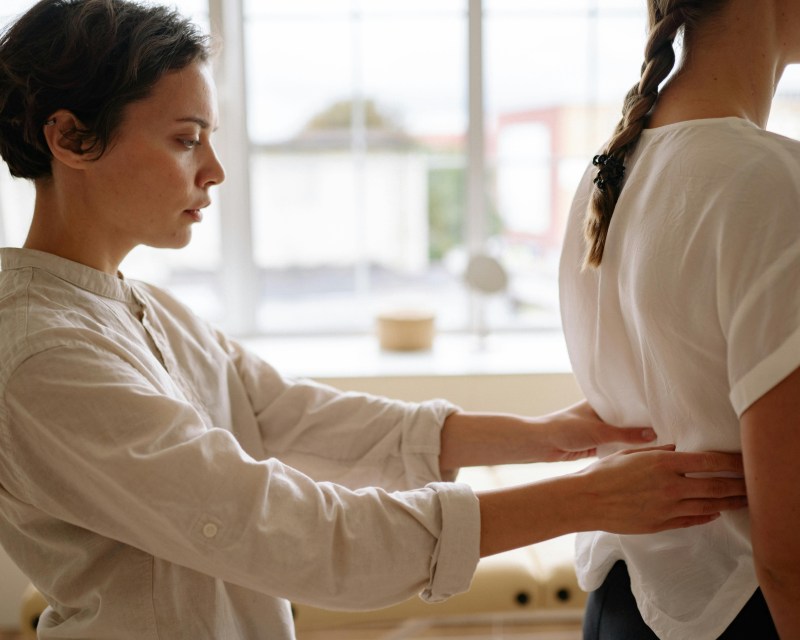
6. Recover from injuries
Forceps deliveries or vaginal tears can leave you sore and inflamed.
Physiotherapy promotes healing by reducing inflammation, addressing specific injuries, and restoring optimal function.
7. Improve your sex life
Childbirth can impact your sexual health. While it may be the last thing you desire, you are going to experience sexual urges again one day.
Physiotherapy can address pain during intercourse, improve pelvic floor muscle tone, and enhance sexual satisfaction down the line.
8. Exercise safely
Whether you’re a pilates girl or just want to walk without pain, postnatal physiotherapy helps you safely resume exercise.
A physiotherapist will create a plan that considers your postpartum recovery and fitness goals.
For a sneak peek, here are a few examples of pelvic floor exercises for postpartum runners.
9. Improve your mood
Recovering from something as challenging as childbirth can be demanding, both emotionally and physically.
Physiotherapy can help improve your sleep quality, reduce pain, and increase your energy levels.
10. Prevent future health problems
Investing in your postpartum recovery sets you up for long-term health.
Postpartum physiotherapy can help prevent pelvic floor dysfunction, back problems, and urinary incontinence later in life.
A common misconception of postpartum physiotherapy
Postnatal physiotherapy is beneficial for all women after childbirth, even if you’re not experiencing any specific issues.
It’s not a cure for everything, but it can alleviate most of the discomfort and pain most mamas experience
One misconception is that it is just about exercise like swimming postpartum. While exercise is a key component, physiotherapy offers a holistic approach to recovery.
It has been said that it is also expensive and time-consuming, and although if paid for out of pocket it may be a little pricey, many insurance plans cover physiotherapy.
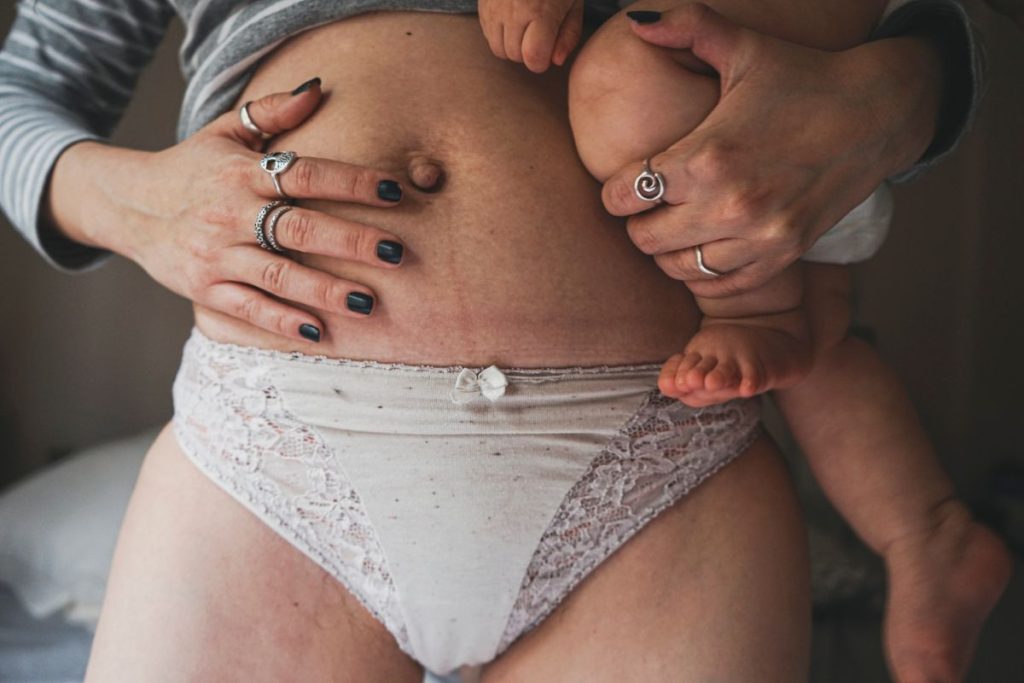
The next chapter in your postpartum recovery
Postnatal physiotherapy is an investment that pays off for your future self. It can help you regain strength, manage pain, and prevent future problems.
Don’t hesitate to talk to your doctor about a referral to a qualified postnatal physiotherapist. By taking care of yourself, you’ll be able to be a better mama and have more vitality along with a quicker recovery.