
If you’re looking for a way to feel stronger, more energized, and truly supported after birth, postnatal Pilates might be exactly what you need.
This gentle yet powerful form of movement is designed to help new moms rebuild from the inside out.
While there are many benefits, we’ve compiled 9 standouts that will make Pilates a must-have for your postpartum workouts:
- strengthens the pelvic floor
- treats Diastasi recti
- improves posture
- reduces back pain
- strengthens core
- decreases fatigue
- improves sleep quality
- prevents PPD
- promotes confidence
From core weakness and pelvic floor strain to back pain and fatigue, the postpartum body carries a lot.
These top reasons show why postnatal Pilates is more than just a workout, it’s a recovery essential.
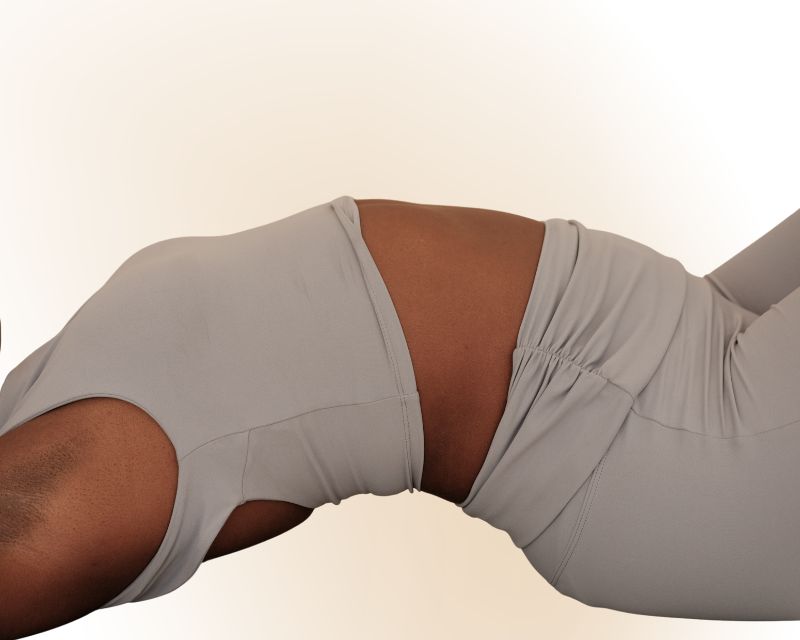
Strengthens pelvic floor muscles
Giving birth leaves lingering effects that affect many regions of the body, especially the pelvic floor.
The pelvic floor are muscles that rest on the base of your pelvis, cushioning and supporting your womb, bladder, and bowels.
These loosen during pregnancy, when hormonal changes begin to affect the body. It’s even worse during birth, when they are under intense pressure.
Because the pelvic floor is left weakened after pregnancy, it’s not uncommon for women to suffer from involuntary urine leaks when coughing, sneezing, or laughing.
Luckily, a typical class often emphasizes reconnection or re-engagement with one’s pelvic floor muscles by strengthening the core.
Specialized sessions are also often tailored toward the individual’s own needs.
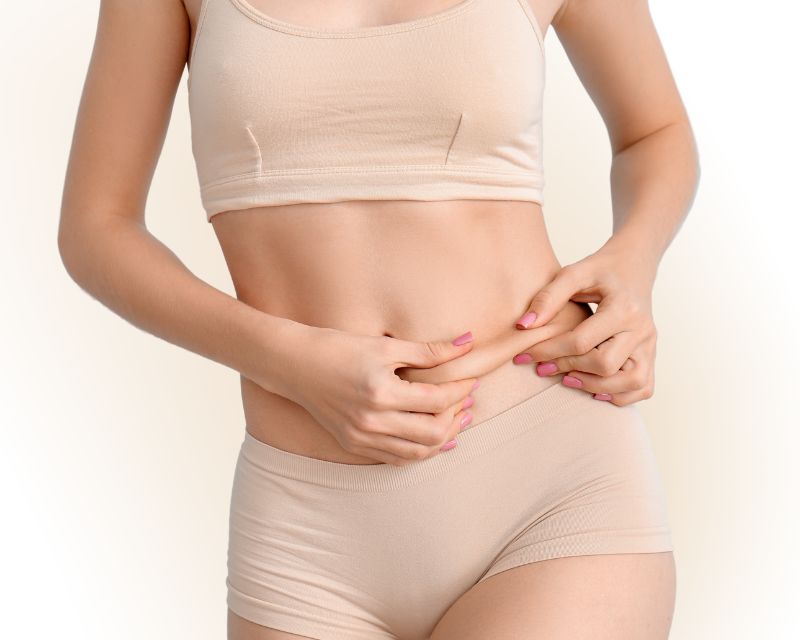
Treats Diastasis Recti
Diastasis recti is a condition suffered by many women both during pregnancy and after. It involves the linea alba, which separates the two sides of the rectus abdominis, stretching so far that it creates a large gap.
In other words, the center line of your six-pack becomes less and less defined.
While ab separation is a very common condition that typically resolves itself after pregnancy,
Pilates after childbirth can speed that process along. It also emphasizes certain movements that create a natural tension around the linea alba and abdominal muscles, strengthening them faster.
This effect was more obvious in primiparous women, or first-time mothers, who shaved inches from their waists.
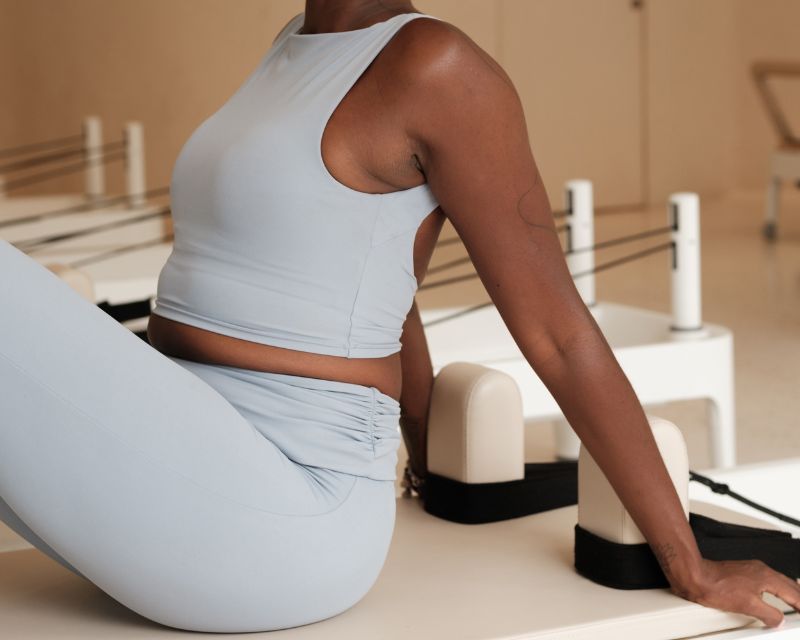
Improves posture
Throughout pregnancy, the body changes in many ways, some subtle, others drastic.
A person’s posture is one that will be affected, often due to increased pressure on the spine and deep core muscles.
“Bad” posture may indeed continue after pregnancy as well, which is where Pilates comes in.
By slowly mobilizing and exercising the spine, one’s posture will naturally change, for the better, over time.
Interestingly, Pilates also emphasizes the use of one’s deep core muscles.
When strengthened, these allow the shoulders to relax without necessarily drooping and enable the head and neck to move freely.
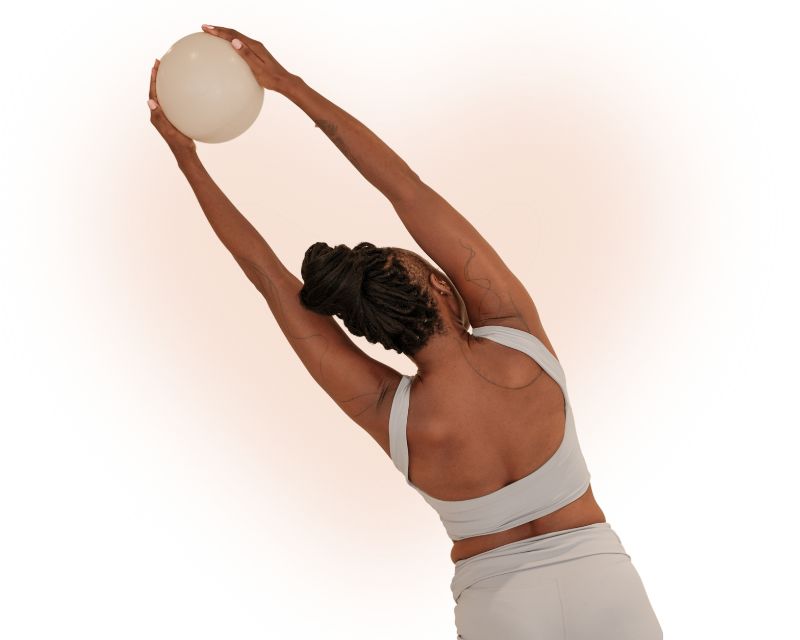
Reduces back pain
Back pain and bad posture go hand in hand when it comes to pregnancy.
Increased tension and tenderness in the spine are unavoidable, considering the added strain placed on the joints in the lower back and pelvis.
Pilates offers a healthy and natural method of relief through postpartum stretches.
These redistribute the forces responsible for supporting the body and keeping it upright.
It also emphasizes the importance of moving the hips and pelvis regularly to ensure that the spine does not become strained again.
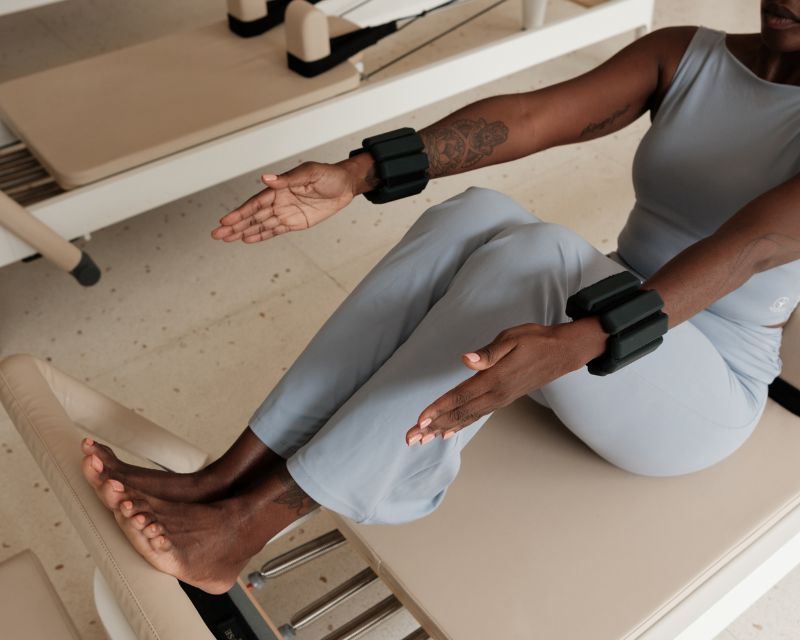
Strengthens core
As mentioned, core muscles support the body and provide it with stability and strength.
They include the abdominals, back muscles, and pelvic floor – all groups that are affected during pregnancy.
After carrying a baby for 9 months, the core muscles do not immediately return to their original states. They may even be permanently weakened if proper treatment is not administered.
Pilates helps restore and build upon the deep core muscles, which in turn improve stability and control throughout the body.
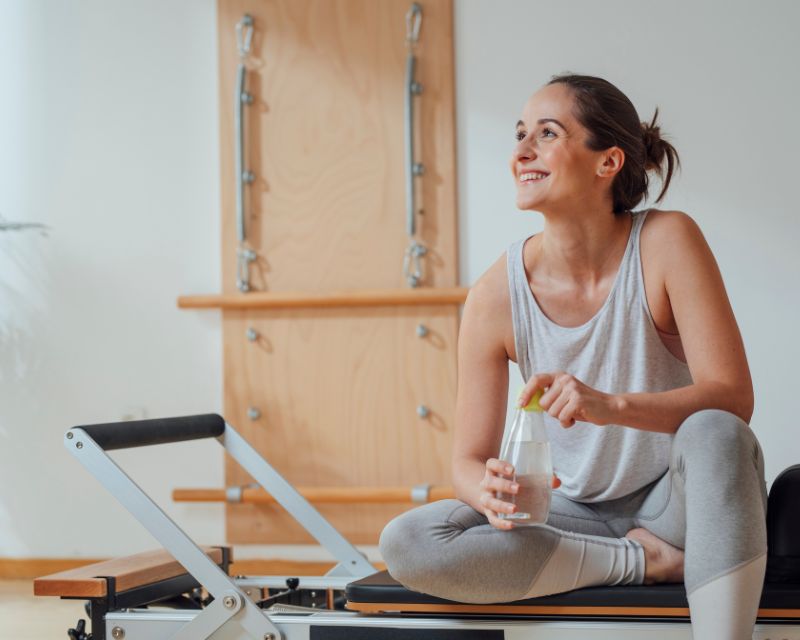
Decreases fatigue
Intense fatigue is common both during and after pregnancy. The body works overtime to support both the mother and her child, leading to severe exhaustion.
This can become worse after giving birth, and it’s not uncommon for mothers to struggle to get back to their normal energy levels.
Pilates, however, can actually decrease postpartum fatigue despite its nature as a somewhat physically demanding activity.
By strengthening the core, improving posture, and emphasizing proper movement patterns, the body experiences less strain and, therefore, has more energy to distribute to other tasks.
Postnatal Pilates, as with any exercise, releases endorphins or mood-boosting hormones that can keep one motivated and energized throughout the day.
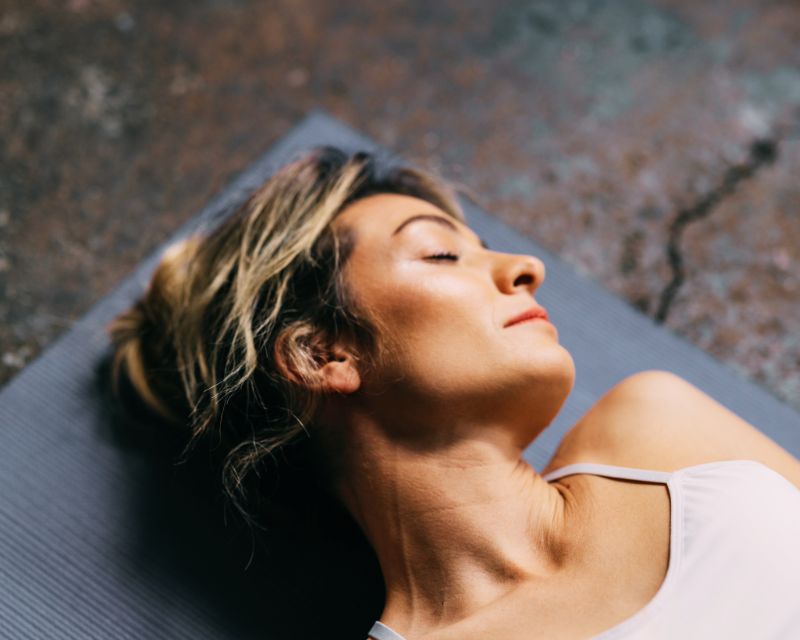
Improves sleep quality
Getting a good night’s rest as a new mother is extremely important, especially since sleep may be in short supply with the presence of a newborn who requires nearly constant attention.
Things like back pain, stress, and other postnatal issues, however, can negatively affect one’s sleep schedule.
Fortunately, because Pilates addresses these issues, sleep quality can improve.
It also emphasizes the importance of breathing and mindfulness, promoting a sense of calm that actually relaxes the body, even during physical activity.
As a regular exercise, postnatal Pilates improves the body’s circadian rhythm, too.
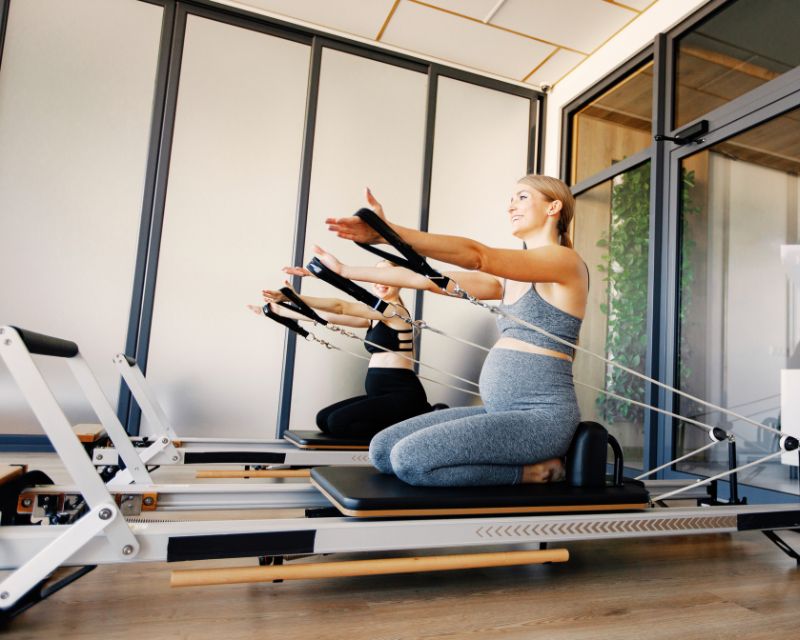
Minimize postpartum depression
Mood swings and occasionally erratic behavior are common postnatal symptoms.
But the sudden drop in hormones after giving birth, with other health factors, can lead to a more severe condition known as postnatal depression.
Typically, postnatal depression is worsened by physical factors like:
- poor sleep quality,
- bodily tension,
- and stress.
Pilates, however, aims to address all of these symptoms, which can decrease the chances of suffering from postnatal depression or otherwise dampen its effects.
Promotes confidence and well-being
At the end of the day, Pilates is a full mind-body exercise.
The overall effects of everything in this post have resulted in improved confidence and mental well-being for mothers, which are arguably more important than anything else.
Sessions also provide a safe space where mothers can enjoy some time to themselves while being surrounded by supportive, like-minded individuals.
Because “alone time” can be so difficult to come by with a newborn baby in the house, classes may be more important than ever.
Start your postnatal Pilates workout today!
Postnatal Pilates isn’t just another fitness trend. It’s a purposeful, restorative practice that supports your body and mind during one of the most transformative phases of life.
From strengthening your pelvic floor and healing Diastasis Recti, to improving posture, reducing back pain, and rebuilding core strength, Pilates meets your body where it is—and helps guide it forward.
Beyond the physical, it also plays a powerful role in your overall well-being: reducing fatigue, improving sleep, preventing postpartum depression, and boosting confidence.
Gentle yet effective, postnatal Pilates offers the structure and support your recovery needs—making it more than a workout, but a vital part of postpartum healing.
If you’re ready to feel stronger, more grounded, and more like yourself again, postnatal Pilates might just be your best next step.
