
If you have ever geared up for a long-distance run, you are no stranger to all the bars, chews, and energy gels on the market today. Although quick and convenient, there are other factors to consider when fueling for exercise.
Aside from energy gel costs, we must also consider whether the gels are healthy and effective. Let’s read on to find out more!
Why energy gels?
We know carbohydrates are necessary for optimum exercise performance, whether out pounding the pavement or lifting weights. This is especially true for runners doing longer distances; the further you run, the more fuel you’ll need to support those miles! Enter energy gels.
Granted, this supplementation should be utilized with a well-rounded meal plan that includes essential pre-marathon fuel (simple and complex carbohydrates, lean proteins, and plenty of fruits and vegetables).
Along with the cost of energy gels, you should also consider whether this type of energy boost is right for you.
Speak with your primary care physician about energy gels to ensure they do not contraindicate any medicines you may take or conditions you may have.
Energy gels can effectively and efficiently refuel the body and improve performance, especially in long-distance runners. For more than three decades, energy gels have supported athletes worldwide in fueling appropriately for the training at hand!
For some runners, this extra support is as important as listening to music while running. However, energy gel costs, benefits, and alternatives are all factors that should be considered before use.
Benefits of energy gels
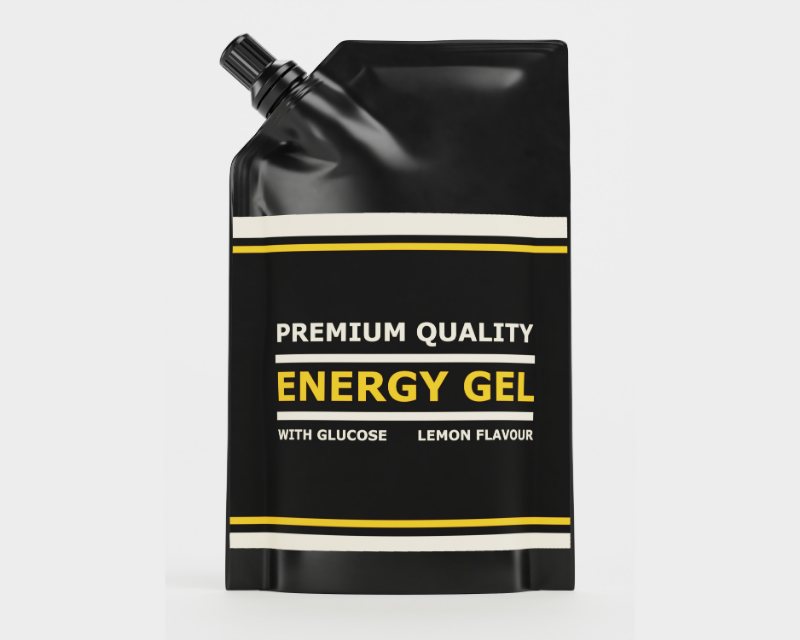
We can’t overstate the significance of consuming some form of carbohydrates before a run. However, you won’t be able to stop, sit down, and eat more while training for a marathon! In this case, energy gels can be lifesavers.
Energy chews or bars are a source of quick carbohydrates and immediate energy. This boost will come in the form of glucose, which can be efficiently absorbed into the body once consumed. The glucose then travels to the muscles, where it helps to keep you moving.
Some of the more common benefits of energy gels include:
- Quick absorption and immediate source of energy
- Minimal stomach discomfort
- Convenient and easy to carry
- Several flavors to choose from
- Many energy gels also contain added vitamins and minerals, as well as caffeine
How to save on energy gel costs?

When it comes to finding a reliable source of running fuel, cost certainly comes into play. Energy gel costs can be off-putting, especially when you can consume other items for quick energy—like bananas or applesauce pouches.
If you find that, aside from cost, the energy gels you try irritate your GI tract, there are also options such as energy bites, energy bars, and even drinks filled with the necessary carbohydrates for your longer runs.
Different companies use different sources of sugar for their products, so checking the ingredient list is critical.
For example, some products might use fructose, while others might use honey, maltodextrin, cane sugar, tapioca sugar, brown rice sugar, or a combination of a few items. Knowing what may or may not affect your body as you run will be vital to finding the right energy source!
Some of these options sacrifice the ease of putting fuel in your back pocket, but there are other alternatives to energy gels.
Energy gel alternatives
Raisins and dried fruits are also viable options for those looking for energy gel alternatives. However, research has shown that more people have noted adverse symptoms such as cramping and upset stomachs when eating solid energy sources (like bars) compared to drinks or gel.
Other ingredients added to energy gels, such as electrolytes or caffeine, can affect costs.
Studies have shown that consuming caffeine helps improve performance ( around 3-6 milligrams per kilogram of body mass) , so this might be something to consider.
Some energy gel brands also target specific consumers, such as those looking for products with strictly organic ingredients or vegan options.
So, are energy gels worth it?

Energy gels might be a good option if you’re looking for a convenient, quick, and effective carbohydrate burst during your run. When it comes to energy gel costs, most runners don’t need this type of supplementation unless their training involves running more than 1.5 hours.
However, this will vary from person to person. If you notice you begin to feel tired toward the end of your workouts, energy gels can help boost your energy levels so you can finish your run.
On the other hand, you can aim to fill your tank appropriately before you go out for a run. Most runners realize that consuming plenty of carbohydrates 2-3 hours before running will help with getting the energy necessary for proper performance.
According to the American Council on Exercise, this pre-workout meal could look like the following:
- Eggs and toast
- Banana with nut butter and a side of crackers
- Chicken and pasta
Try to make healthy choices regarding your carbohydrate portions. This could mean eating whole grains, choosing wheat bread instead of white bread, or substituting sweet potatoes for white potatoes.
Since several brands of energy gels cost anywhere from $1.60 to upwards of $5.00, it’s important to keep in mind a few factors:
- Do you need supplementation during your run?
- Are you looking for added ingredients (i.e., caffeine) in your energy gels?
- How often do you plan on using energy gels during your training program?
- Have you used energy gels before? Should you test them before going on a long run to ensure there’s no GI discomfort?
These are just a few questions that must be considered before purchasing a big box of energy gels. Not only will you save money, but hopefully, you’ll find a product that’s right for you, your health, and your performance needs!
How to save on energy gel costs?
Energy gel costs, performance benefits, and effectiveness are just a few of the factors you need to consider before supplementing with these carbohydrate sources. Knowing other possible alternatives is also helpful in determining if this fuel source is perfect for you and your training!
Remember to always speak with your physician before trying new products. They know your exercise regime and can often help point you in the right direction of the best type of pre-workout fuel for your specific training.
