
Keep your pelvic floor strong, and your postpartum runs will feel easier and safer!
Neglect it, and you risk discomfort, leakage, or even injury. Pregnancy and birth weaken these muscles, but the right approach can help you rebuild strength and confidence.
Keep reading for simple, effective tips to make your postpartum running comeback smooth and strong!
Table of Contents
Pelvic Floor Workout for Postpartum Runners
Should running postpartum feel uncomfortable? Well, rushing back too soon can set you back, but a little prep makes all the difference.
These pelvic floor strengthening exercises focus on core stability and gentle strengthening first.
Kegels
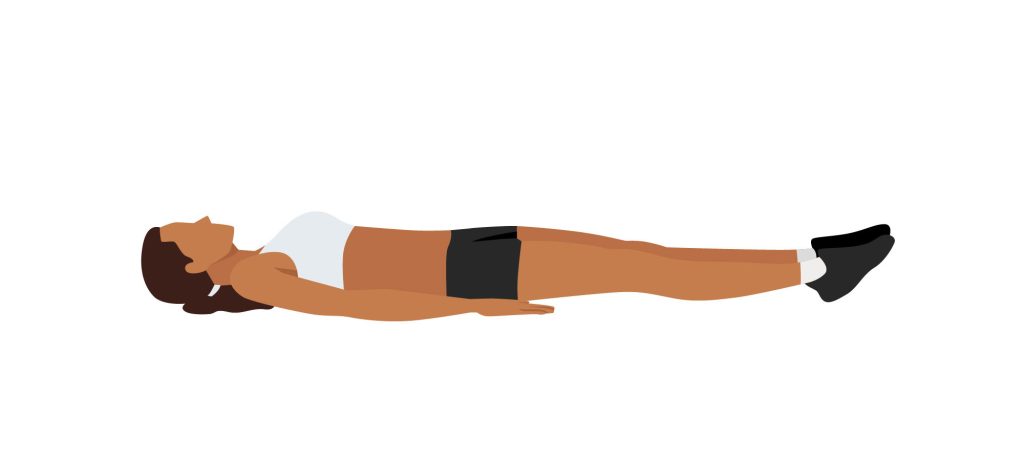
Kegels strengthen pelvic floor muscles as well as improve coordination.
Before performing this exercise, it is best to have an empty bladder.
- Lie down, or sit on a chair.
- Tighten your pelvic floor muscles.
- Imagine you are trying to hold in the wind. Hold this contraction for 5 seconds. And then relax the muscles.
Keep doing this for 10 repetitions, 3 times a day.
If you still aren’t sure whether you are doing your pelvic floor exercises correctly, the MUTU System
can help you perform the exercises safely and correctly.
Transversus Abdominis Activation
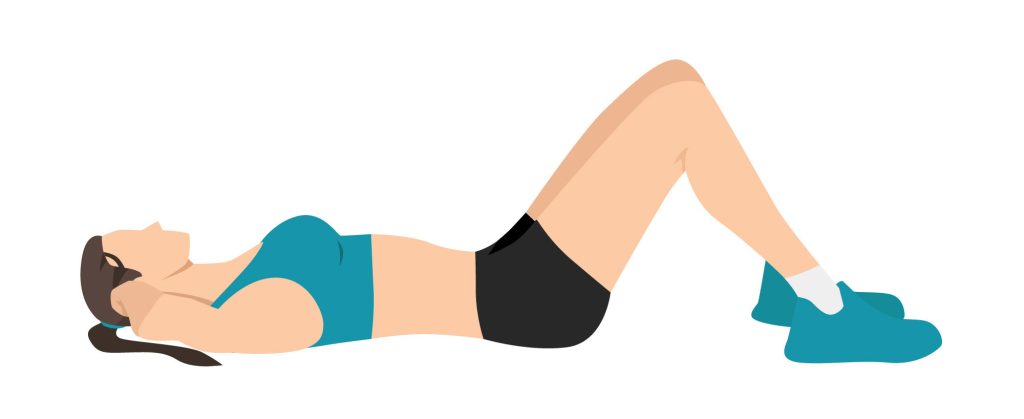
Lie down with your knees bent and feet flat on the floor.
Use two fingers to locate the highest part of your hip bone. Slide 2 inches toward the midline, then move 1 inch lower.
Check activation by coughing lightly. If you feel a muscle spring back, you’re in the right spot!
Inhale for 3 seconds, focusing on the muscle engagement as you breathe in and out.
Repeat for 3 to 5 minutes to build awareness and strength.
Bridges
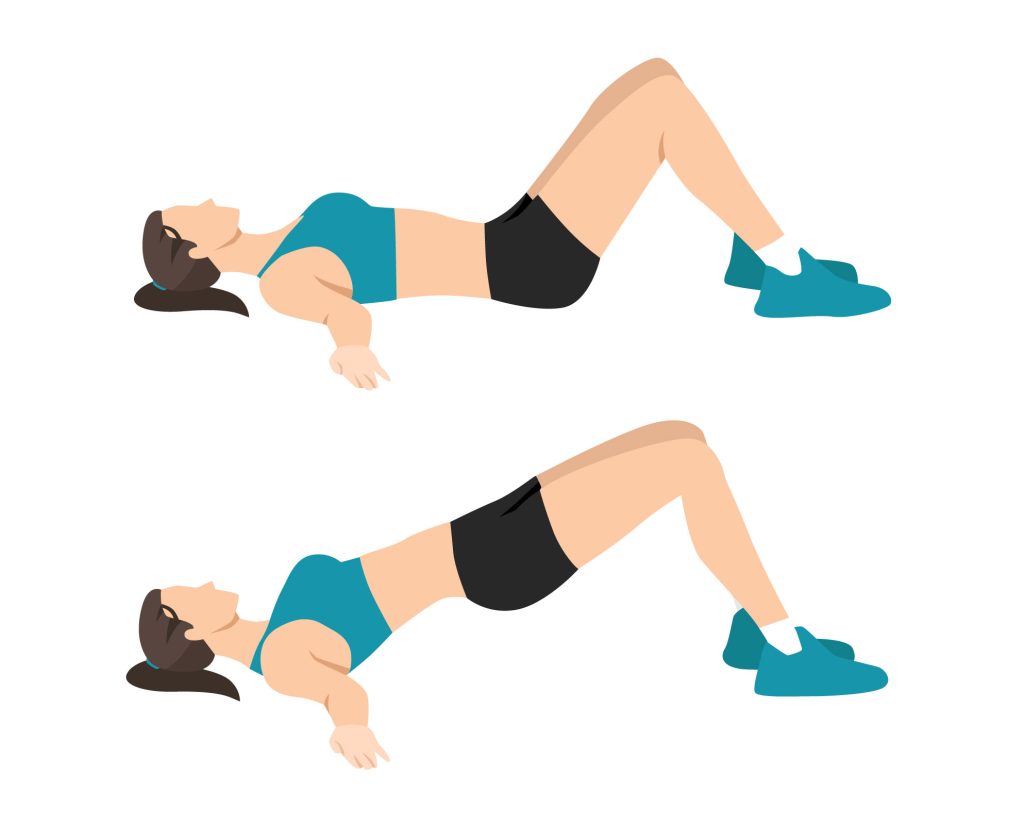
Lie down with the knees bent and feet planted, arms out flat.
Engage your core, and lift your hips to the ceiling.
Hold this position for 10 seconds. Lower your hips and
repeat this movement for 8-10 reps for 3 sets.
Single Leg Deadlift
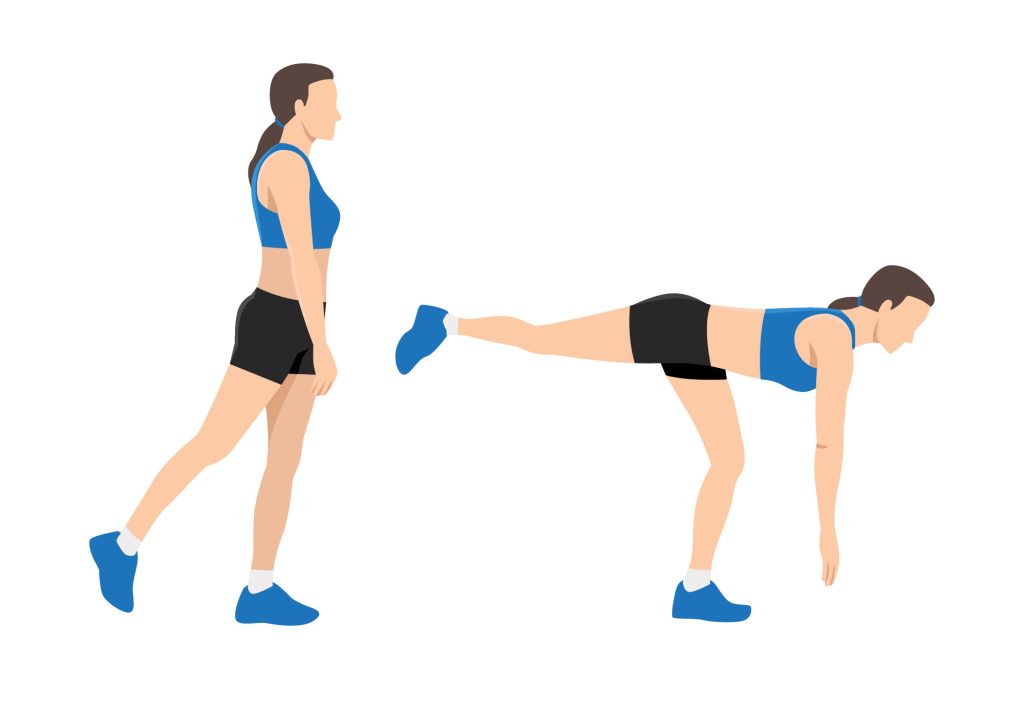
First, find your stance. Stand with one leg straight and the other slightly bent. Hold onto a chair for support if needed.
Keep your back straight as you lower your torso, extending your non-supporting leg behind you.
If you’re not using a chair, extend your arms forward for stability.
Start with 5 reps per leg for 3 sets. Gradually increase to 8-10 reps per leg as you build strength.
Deadbug Exercise
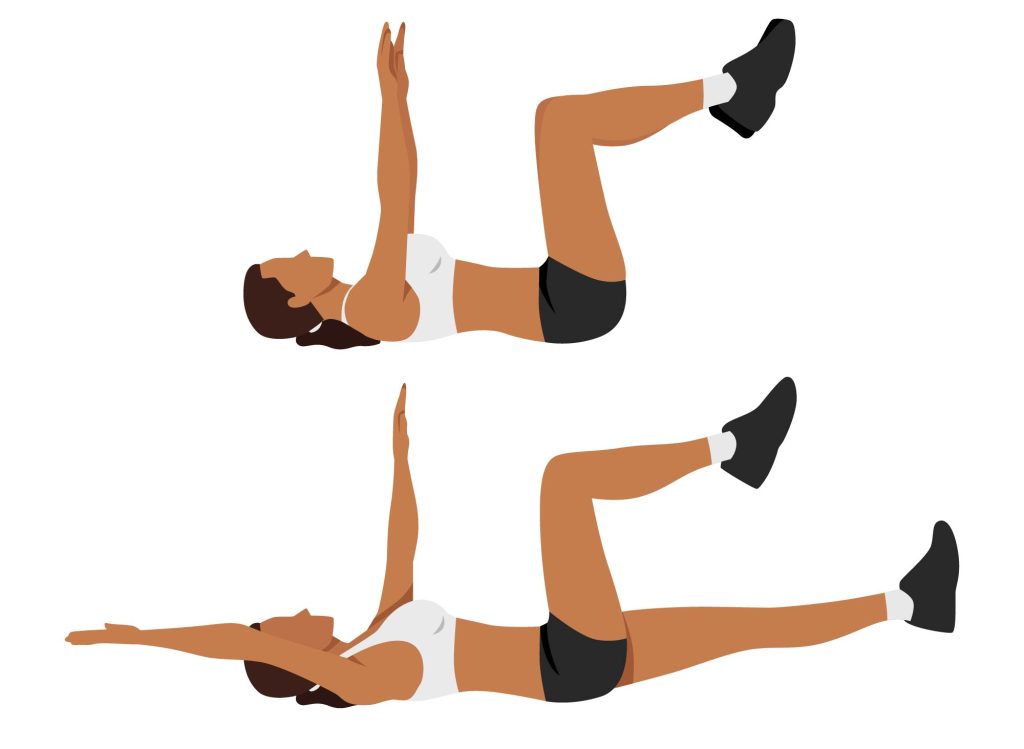
Lying down, lift both legs with knees bent to form 90 degrees. Lift your arms straight towards the ceiling.
Simultaneously lower your right arm and left leg until they hover above the ground.
After returning the arm and leg to the starting position, switch sides.
Do 5 repetitions on each side for 3 sets. Slowly progress to 8 to 10 reps for each leg.
Tips for Postpartum Return to Running with Pelvic Muscle Training
Making your pelvic floor a priority when starting postnatal running can make a huge difference in your physical and mental state.
You can incorporate pelvic floor exercises by following these tips:
Warm Up Before Running
Practice the exercises above to activate your muscles correctly. This will help you to know how to engage your pelvic floor muscles properly.
It will also help you enhance your performance during running.
Focus on Form
While running, concentrate on keeping your posture and running alignment correct to avoid injuries.
Also, avoiding overarching of the back and engaging your core maintains your pelvic muscles activated.
Be Consistent
Building a habit takes time. Be patient and do it daily to see the benefits of pelvic floor exercises.
Prioritize a Good Post Run Stretch
After running, ensure you incorporate a cool-down phase to do static stretches. This will prevent imbalances within the pelvic area and maintain flexibility.
Know Your Limits
If you are running, and experiencing persistent pain, stop and do not push through to prevent unwanted injuries.
Why Keep a Pelvic Floor Strong?
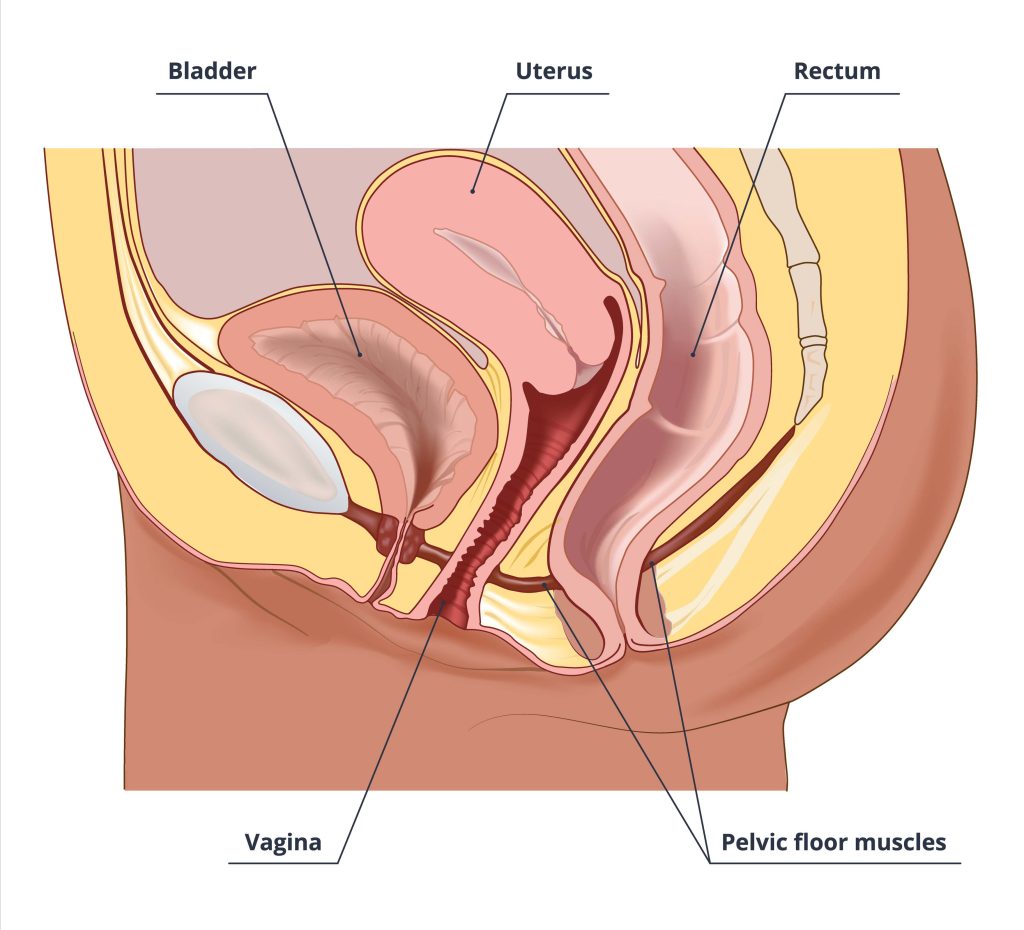
Pelvic floor is a supportive structure that keeps your organs in place, controls bladder and bowel function, and even plays a role in sexual health.
For postpartum runners, a strong pelvic floor is non-negotiable. Here’s why:
Improves Bowel and Bladder Control
Running puts pressure on weak pelvic muscles, leading to bladder or bowel control issues.
Strengthening them helps keep accidents at bay.
Boosts Core Stability
A strong pelvic floor means better posture, improved running form, and reduced injury risk.
Reduces Prolapse Risk
Weak muscles can lead to pelvic organs shifting downward and bulging into the vaginal wall.
Exercising the pelvic floor can reduce this risk and prevent discomfort when running.
Supports Overall Health
Pelvic floor muscles are like a hammock that houses the organs. If these muscles weaken, your entire body is affected.
How Does the Pelvic Floor Get Weak?
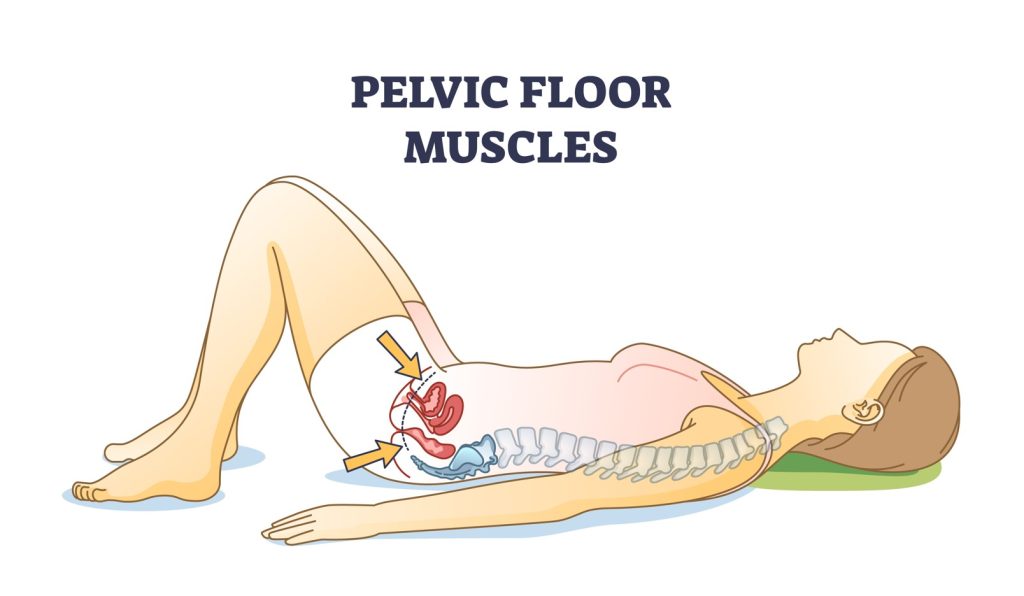
A weak pelvic floor results from giving birth because it stretches out to accommodate the baby’s weight and height changes.
Let’s look at how these changes contribute to your pelvic floor’s condition.
Expansion of the Uterus
As your baby grows, the expanding uterus presses against the pelvic floor, stretching and weakening the muscles.
Hormonal Changes
The hormone relaxin helps prepare your body for birth by loosening muscles and ligaments.
While this makes delivery easier, it also reduces pelvic floor strength.
Strain During Childbirth
Pushing during labor, medical interventions, and the baby’s size can further stress and even injure these muscles.
All these causes are natural, but can significantly affect the pelvic floor. So if this happens, how can we check if our pelvic floor muscles are really weak?
Signs of a Weak Pelvic Floor
If your pelvic floor is healthy, it can handle up to ten reps of a 10-second hold.
Otherwise, check for these signs:
- Urine leaks while coughing, sneezing, laughing, or running
- Not reaching the toilet in time.
- Less or total loss of vaginal sensation
- Falling or dislodging tampons
Other Lifestyle Changes to Keep Your Pelvic Floor Strong

Manage Stress
Chronic stress can cause muscle tension, including in the pelvic floor.
Relaxation techniques like deep breathing and mindfulness can help ease discomfort.
Make Conscious Dietary Changes
Eating nutrient-rich foods and staying active supports overall muscle health, preventing unnecessary strain on the pelvic floor.
Seek Professional Help
If you feel persistent pain and issues in your pelvic region, ask a medical professional for guidance and treatment.
Keeping Your Pelvic Floor Strong Made Easy
At the end of the day, a strong pelvic floor is a game-changer for postpartum runners. It supports your core, protects vital organs, and keeps you moving with confidence.
The key? Consistency. Even with the chaos of newborn life, small daily efforts—like these 5 pelvic floor exercises and mindful movement—can make a big difference.
Once you’re ready, it won’t be long before you can perform these more advanced pelvic floor exercises for runners.
Remember, keeping your pelvic floor strong isn’t just about running; it’s about feeling supported, and in control of your body again.

Author: Dr. France Ember Magalit PT,DPT. Ember holds a Doctorate degree in Physical Therapy. She advocates for holistic treatments and women’s health.