
Learning how to strengthen pelvic floor muscles is crucial for women of any age. This intrinsic group of muscles aids in supporting organs like the uterus, bladder, and rectum, and keeping them strong can prevent issues like incontinence, painful intercourse, or prolapse.
As a mom, do you know how a weak pelvic floor can affect you?
Childbirth is one of the many factors that can contribute to weakened musculature within the pelvis. So, learning how to strengthen the pelvic wall is vital when running, jumping, and playing with your kiddos – all without feeling like you have to use the bathroom!
Uncovering the secret behind how to strengthen the pelvic floor muscles can also improve your sex life, keep you strong for future pregnancies, increase overall core strength (hello planks!), and reduce the risk of related health problems.
Let’s dive in and see how you might know you have weak pelvic musculature, and how to strengthen the pelvic floor!
Pelvic floor weakness: how do you know?
The pelvic floor contains two significant muscles: the coccygeus and the levator ani. These muscles can pull up or push down. This allows us keep organs where they need to be while helping us hold it when we need to go to the bathroom!
These muscles are also utilized during intercourse, and learning how to strengthen these pelvic floor muscles can make it more enjoyable.
But what if there is a weakness in these pelvic floor muscles? How will you know how to strengthen the pelvic floor, if needed?
Here are just a few of the factors that can be present when you are experiencing pelvic floor weakness – also known as pelvic floor dysfunction.
- Pain during sexual intercourse
- Leaking urine
- Constipation
- Using the bathroom more than normal
First and foremost, always speak with your PCP or other trusted healthcare provider if you think you might be dealing with pelvic floor dysfunction.
While pelvic floor weakness is common, it can also be confused with other conditions if not diagnosed correctly.

How to fix a weak pelvic floor
Before you work on strengthening your pelvic wall, your provider will thoroughly review your medical history and discuss your symptoms.
It might feel slightly embarrassing to talk about the intimate details of using the bathroom or your sex life. But being as detailed as possible will help your doctor know the proper steps to take in order to help you strengthen your pelvic floor muscles!
Once you have been appropriately diagnosed, treatment can begin immediately—and frequently, these means are very conservative.
According to the Cleveland Clinic, some forms of pelvic floor management include medications for softer stools, relaxation exercises to decrease tension, exercises to help strengthen the pelvic floor muscles, and biofeedback, to name a few.
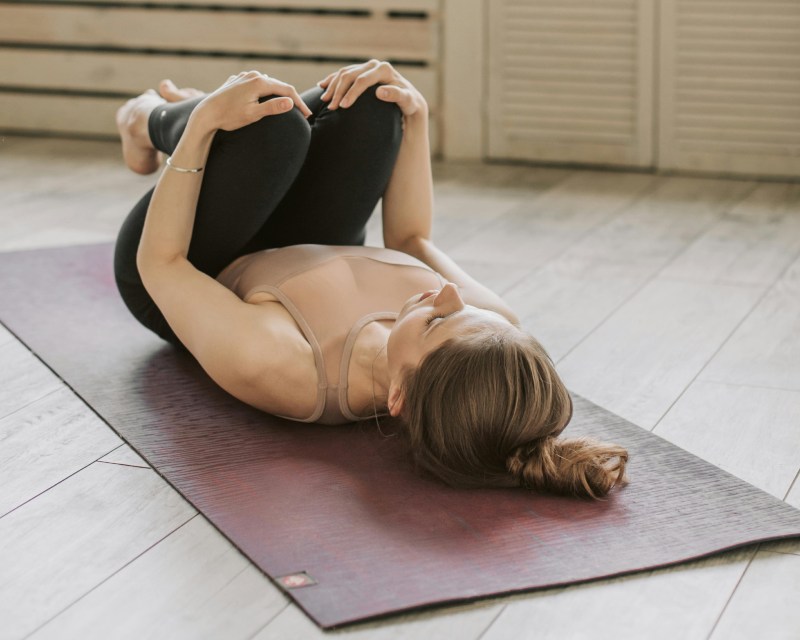
5 quick pelvic floor exercises
While the type of treatment will vary from person to person (along with the severity of symptoms), pelvic floor exercises are a common way to help strengthen the pelvic wall and surrounding musculature.
Again, please note that you must speak with a physician before incorporating pelvic floor exercises into your routine. If you aim to strengthen a previously overly engaged muscle group, making it even tighter might compound your symptoms. Ensure that strengthening the pelvic floor is necessary before attempting it.
Finding time to exercise as a busy mom seems impossible. Don’t worry! The exercises listed below can all be completed in a short period of time, especially once you have a routine down and know how to execute the movements! We even included a few videos to help you with this.
Let’s look at five pelvic floor exercises you can do from the comfort of your own home – even before the kids wake up in the morning!
1. Kegels
Think of this exercise as attempting to stop urinating. You’ll want to engage those pelvic floor muscles to stop midstream, pausing for up to 5 seconds or so.
Relax, then repeat as needed. This can be done seated, standing, or lying down.
2. Squats
Start in a standing position with feet hip-width apart. Retract your shoulder blades and keep your chest high as you engage your core and sit your hips down and back like you’re sitting in a chair. Aim to have your thighs parallel to the ground.
Pause at the bottom of the squat, keeping your core engaged. Then, press through your heels to extend your legs and return to standing. Repeat 12-15 times.
3. Glute bridges
To start, lie down flat. Then bend your knees and keep your feet flat on the ground. From here, engage your core and glutes while raising your pelvis off the floor and toward the ceiling (slow and controlled).
Engage your pelvic floor musculature, then slowly release and lower your hips back down to the ground. Repeat for 10-12 repetitions.
4. Deadbugs
Begin on your back, arms extended straight toward the ceiling, knees bent, feet off the floor, and legs at a 90-degree angle. With the core engaged, slowly drop the left arm back toward the ground over your head, while simultaneously lowering your right heel down to the ground.
Pause, then return to the starting position. Repeat on the opposite side, 6-8 slow repetitions each.
5. Chair pose
Start in a standing position with feet shoulder-width apart. Keeping your chest high, sit your hips down and back into a quarter squat.
From here, extend your arms up toward the ceiling with palms facing each other, breathing deeply and keeping shoulder blades down and back.
Pause with the core engaged, then return to standing. Repeat as desired.
How to strengthen pelvic floor muscles
Learning how to strengthen the pelvic floor muscles can be beneficial for women of all ages. However, speaking with your physician before beginning any strengthening exercises is important to ensure you are receiving the correct treatment for your situation.
Once you recognize the symptoms of a weak pelvic floor, you can then discuss these findings with your PCP or therapist. From there, you can move onto exercises that can either strengthen (or relax) the muscles of your pelvic wall!
For example, you don’t want to end up doing more Kegels for a pelvic floor that might be too tight to begin with – in that case, you’d want to do exercises aimed toward relaxing and lengthening the pelvic floor musculature (i.e., Child’s Pose, Happy Baby, etc.).
There isn’t one specific time frame for strengthening your pelvic floor; it will vary by individual.
Staying consistent with your treatment routine will go a long way toward improvements and seeing the benefits of your strength program! Trust us, moms from the Out There Mothers community saw leaps in motivation when they started documenting fitness milestones!
