The Best Foods To Eat Before A 10km Run

So you’re preparing for a 10k, right? Go you! As you know, it involves a little more than just a physical training plan.

First things first, you’d have to think about what the best foods to eat before a 10km run would be.

Should you run on an empty stomach? What are the worst foods to eat before a run? We’ll go over these topics and more below!


What to Eat the Night Before a 10km Run

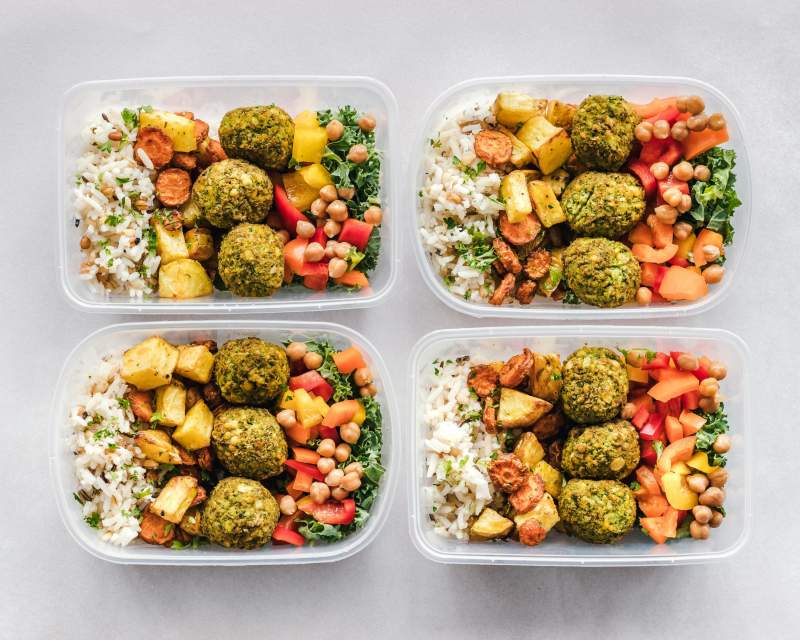
When it comes to what you should eat the night before your 10km run, you’re best off sticking with a balanced meal.

It should contain all three macronutrients – carbs, proteins, and fats. 

Carbohydrates can fuel you up with energy.

Proteins and fats can keep your energy levels during the run as well as aid in muscle recovery. 

Another great resource is our article, where we talk about what to eat before a marathon

Some examples of a well-balanced meal:

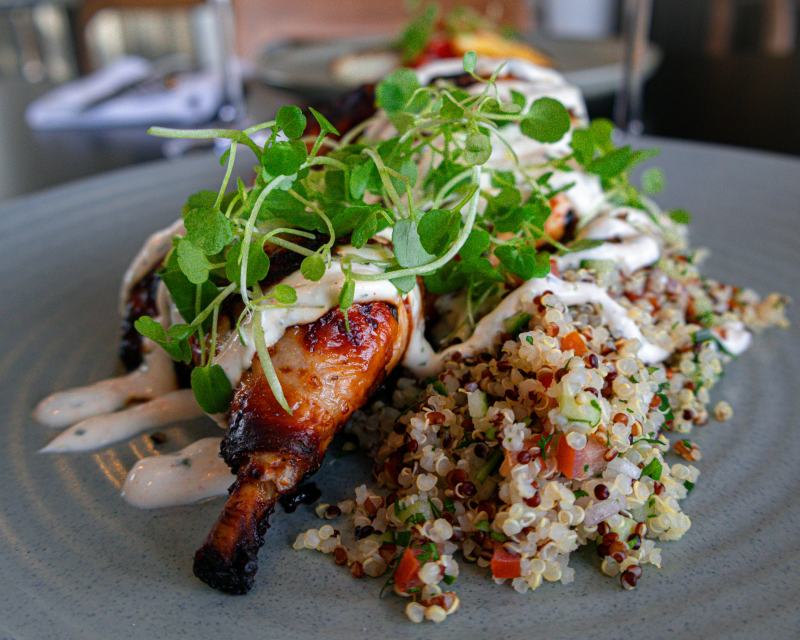
Grilled Chicken with Quinoa and Vegetables

eat protein-loaded food like grilled chicken before a 10k

Quinoa is a complex carbohydrate low in calories, and chicken is a good protein that allows satiety.

To include more nutrients, serve some vegetables on the side.

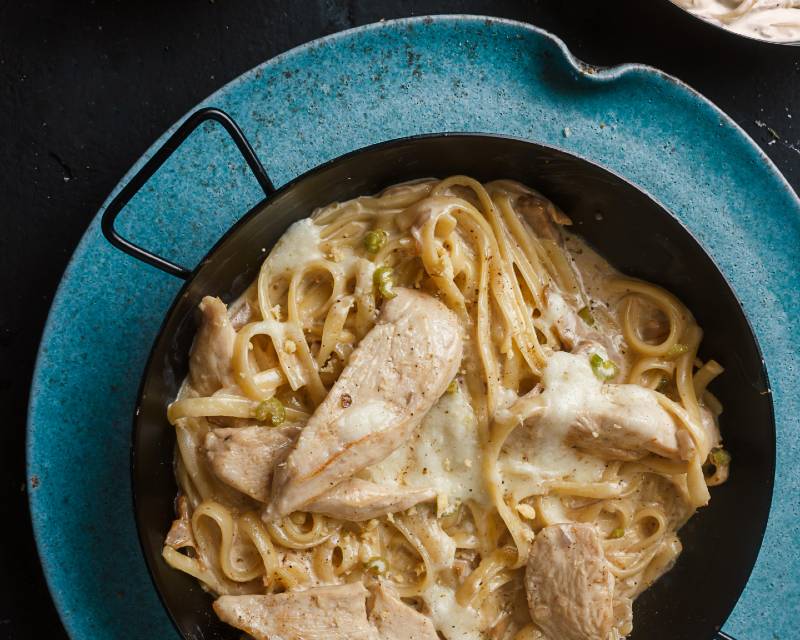
Whole-grain Pasta with Lean Proteins

whole wheat pasta with protein for fuel before a 10km run

Pasta? Absolutely! Pasta is full of carbs, and paired with some chicken or meatballs, you have a complete meal to fill you up before heading out for your run.

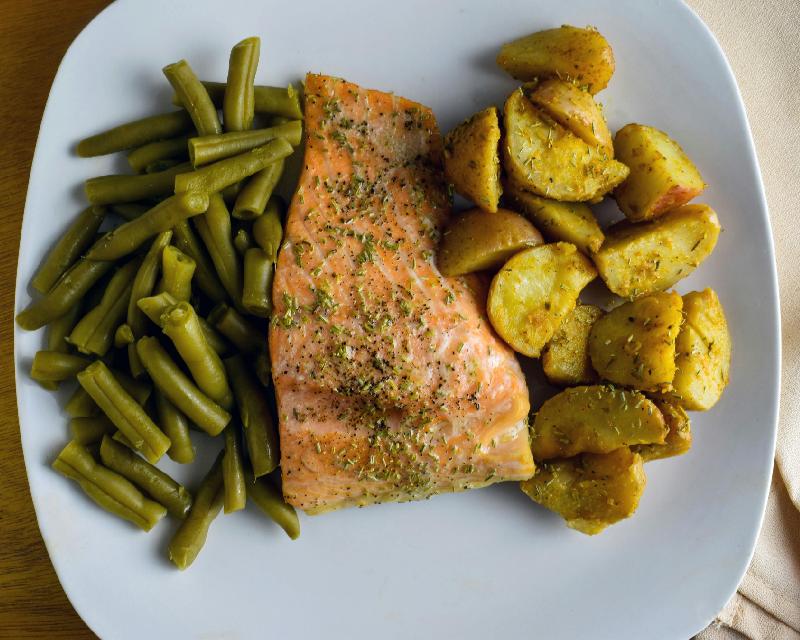
Salmon with Sweet Potato and Green Beans

fish is one of the best foods to eat before a 10km run

Salmon is high in omega-3 fatty acids and protein.

The sweet potato and green beans provide vitamins, minerals, and carbohydrates for energy during your run.

Pre-run Snacks for a 10km Run

We talked about the night before, so now let’s talk about a few of your better options for pre-run snacks.

A small snack 30 to 60 minutes before running provides instant energy, without slowing you down. 

Eating fast-digesting carbs for a quick energy supply, with some protein or fat to hold you through the run, is the aim.

Here are excellent snacks to eat before a 10k run and why they work:

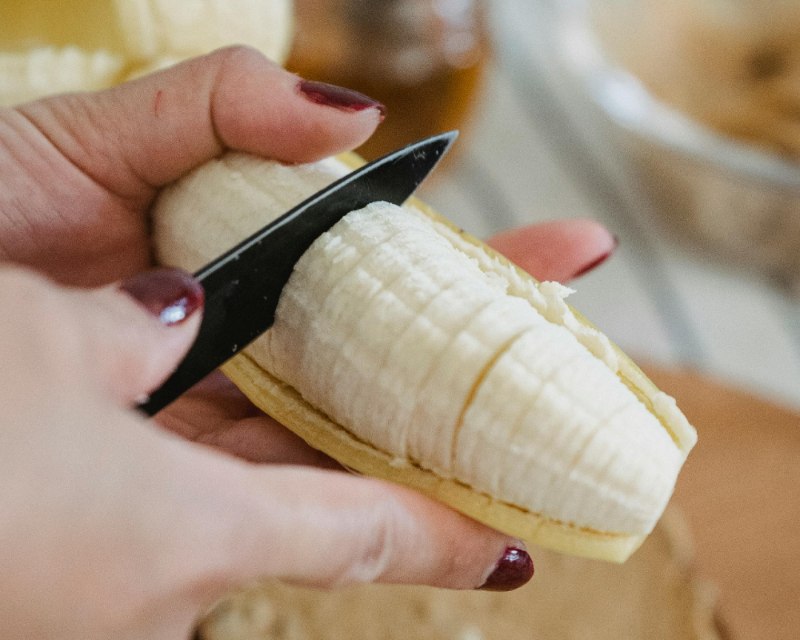
Banana with Honey or Peanut Butter

light snacks with vitamins are best before a 10k

Bananas are yet another potassium-packed athlete staple.

They balance electrolytes and fuel, providing athletes with easily digestible energy.

A drizzle of honey on top provides quick natural carbohydrates (sugars) for energy.

The peanut butter has a little protein and healthy fat for filling but is not heavy.

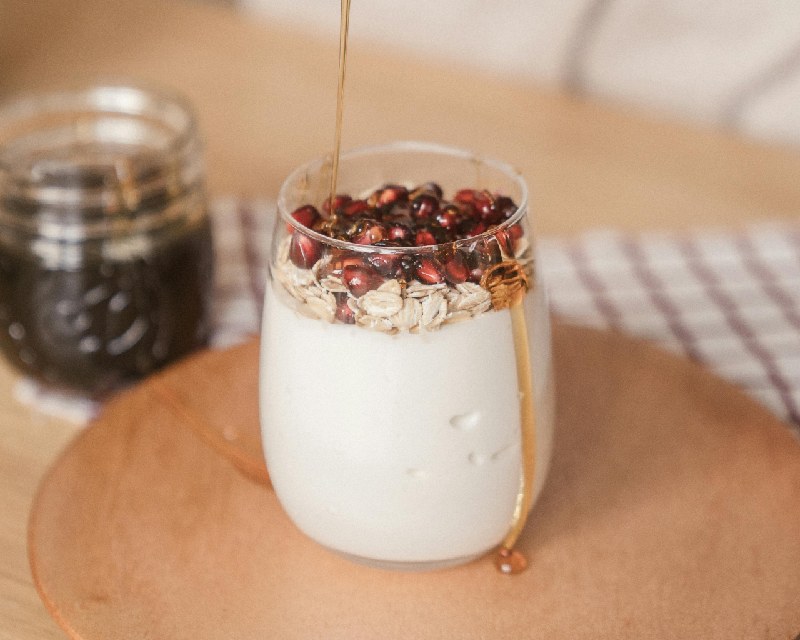
Honey and Granola with Greek Yogurt

Yogurt helps with digestion before a 10k run

Probiotics do wonders for digestion, which can minimize stomach troubles for your pre-run ritual (if you know what we mean). 

Greek yogurt and honey provide fast-absorbing carbohydrates for energy.

The granola adds fiber and complex carbohydrates (longer burning) rounded out to make this an enduring energy bar.

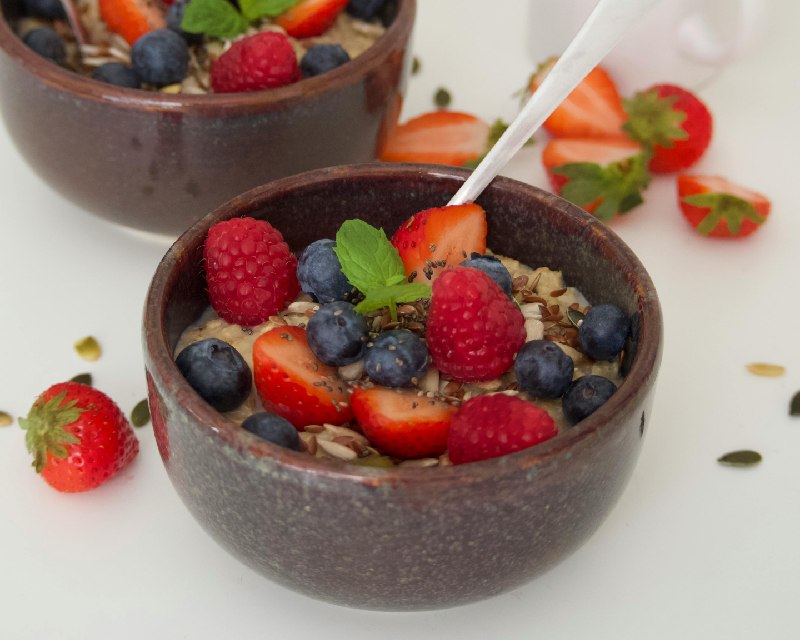
Oatmeal with Berries

Avoid fatigue by eating oatmeal with berries

Oatmeal is a slow-burning carb, meaning it will provide energy for the duration of your run.

Top with blueberries or strawberries for natural sugars and vitamins. Added antioxidants will reduce muscle fatigue and inflammation.

Foods to Avoid Before a 10K

Some foods can irritate your system or mess with your run. Try your best to avoid:

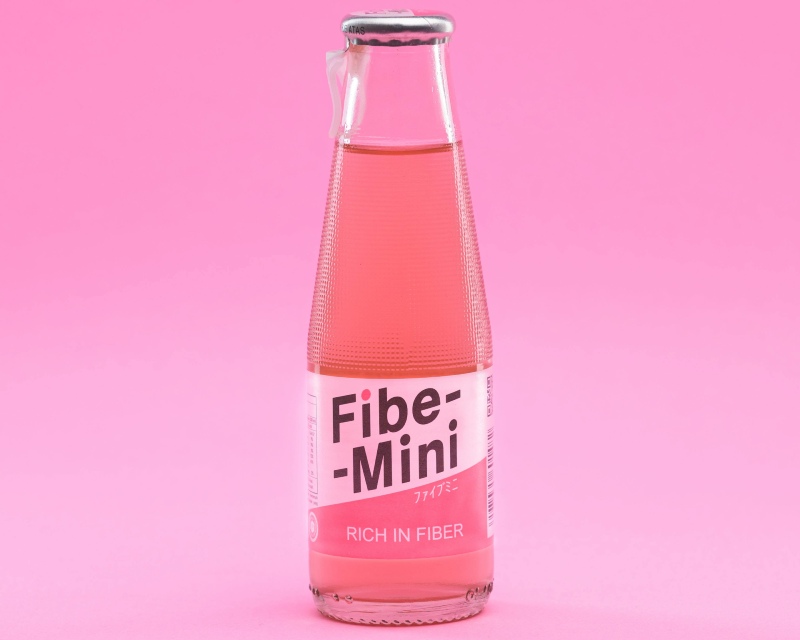
Too Much Fiber

Avoid too much fiber before a 10km run

Fiber is great, but eating a lot of it the day before might cause bloating or gastrointestinal disturbance while running.

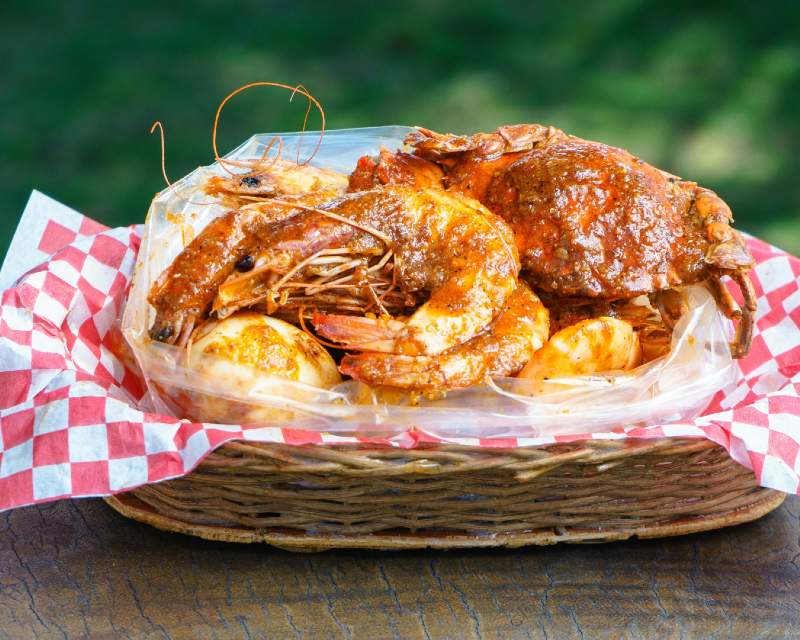
Spicy and Fatty Foods

Spicy and greasy food will slow you down

These can lead to indigestion and discomfort, which can make you perform worse and slow down your overall run times.

Alcohol

Alcohol affects digestion and heart rate while running

We see you! That glass of wine wrecks your body’s ability to digest. Avoid any alcohol the night before as much as possible.

Save the glass of bubbly for after you conquer the run!

Running on an Empty Stomach for a 10km Run

Running on an empty stomach can cause low energy and decreased performance.

For example, a study on veteran marathon runners who fasted for 27 hours revealed that fasted running reduced endurance time by 44.7%.

While fasting can help you lose weight, working out on an empty stomach can lead to low energy and generally reduced performance.

The potential side effects of running on an empty stomach are:

Low Energy

Running on an empty stomach can result in low energy levels, tiredness, or loss of stamina due to lack of food. Especially for longer runs like 10km.

Decline in Performance

Without the proper nutrition, your speed, strength, and performance may be affected negatively.

Like a car requires gas to run well, your body needs fuel to function optimally.

Possible Muscle Damage

If you fast while exercising for an extended period, your body will start to break down muscle for protein for fuel.

What are the Benefits to Eating Before a 10KM Run?

Why should we know what to eat before a long run?

Well, when you do anything, your body uses carbohydrates for fuel.

Eating the best foods before a 10km run can have the following benefits:

  • Help build up your glycogen stores, which your body uses for energy.
  • Prevent decreased blood sugar and avoid a “crash” from happening, such as lightheadedness, exhaustion, and various other signs.
  • Settle your stomach and prevent those hunger pangs during your run. 

Hydration Before a 10km Run

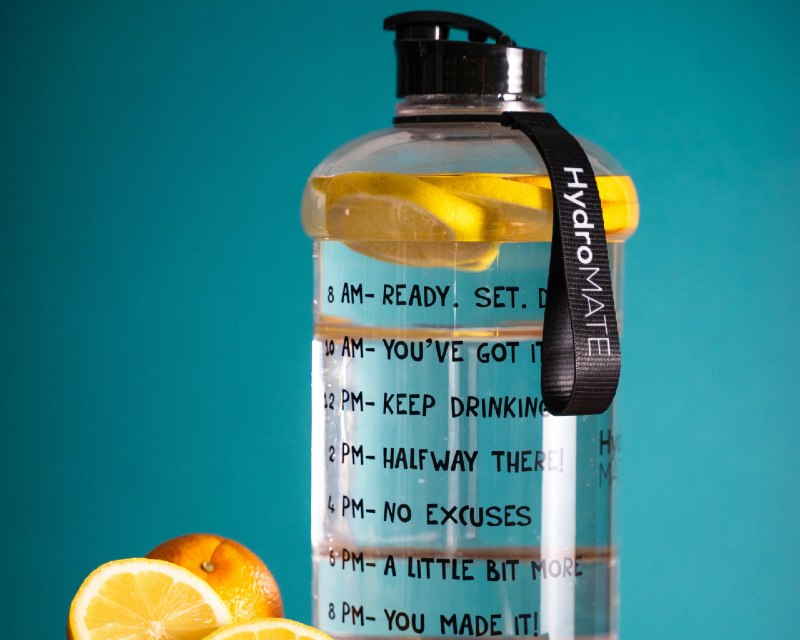
Do not overhydrate when preparing for a 10km run

Be sure to hydrate during the day leading up to your run. Drink 16 to 24 ounces (0.5 to 0.7 liters) of water about 2 to 3 hours before your run.

Proper hydration should not start just the night before. A few days before the race should be enough time to absorb fluids.

If you do long runs or sweat heavily, include an electrolyte drink or tablet. The sodium and potassium border-fluid balance and deter muscle cramps.

In general, drink water as needed, but do not overhydrate. 

Recovery After a 10km Run

When you’re done working out, cool down for a few minutes with a slow jog or walk. 

Stretch gently after your workout.

It reduces muscle stiffness and helps with circulation and recovery.

30 to 60 minutes after your run, eat a mixture of protein and carbohydrates to replenish glycogen stores and rebuild muscle tissue.

It could be as simple as a protein shake with a banana or eating lean protein and whole grains for dinner.

The Best Foods to Eat Before a 10KM Run

Preparing the best foods to eat before a 10k will give you a performance boost

A successful 10km run needs more than just physical prep. It also needs to be well-planned around nutrition, hydration, and recovery!

Eat a balanced meal the night before your run, plus a light, energy-boosting snack, as these help fuel your body with the right mix of carbs, protein, and healthy fats.

Avoid heavy, spicy, or fiber-filled foods.

Doing these will keep your energy steady and prevent crashes.

Your body is a machine, it depends heavily on nutrition. So, plan your meals and snacks thoughtfully. You’ll be feeling more confident, pumped, and ready to smash that 10k!

Scroll to Top