
From 5ks and 10ks to longer distances like half marathons and marathons, there’s a mileage goal for everyone. However, it can be confusing to determine race distances, especially if you’re used to training in just miles or kilometers.
For example, what are 26.2 miles in km? How do you convert 21 km to miles?
By the end of this article, you’ll be able to know:
- how to convert distances from miles to kilometers (and vice versa),
- how each measurement is used in different races,
- and why it’s essential to measure your mileage and overall pace accurately.
Marathon Distance Conversion Chart

Popular Race Distances Converted
Several popular races take place worldwide. Some of the more prominent distances include 5ks, 10ks, half marathons, full marathons, and even ultra marathons. Let’s convert these distances into miles and kilometers!
5K: 3.1 miles or 5 kilometers
10K: 6.2 miles or 10 kilometers
Half marathon: 13.1 miles or 21 kilometers
Full marathon: 26.2 miles or 42 kilometers
Ultramarathon: 100 miles or 160 kilometers
While these are some of the more common race distances, you can use a simple formula to convert any mileage!
Miles and Kilometers Conversion Formula
Having a handy chart with the conversions already done is helpful.
However, if you’re out and about without a chart, the next best option is to use a formula to convert to the measurement you want.
If you want to convert miles to kilometers, you’ll multiply the number of miles by 1.6 to get kilometers.
For example, if you’re running 5 miles, the formula would be 5 multiplied by 1.6 = 8 kilometers.
On the other hand, if you want to convert from kilometers to miles, divide the number of kilometers by 1.6 to get miles.
For example, if you ran 12 kilometers, the formula would be 12 divided by 1.6 = 7.5 miles.
Distance Conversions in Real Life
Now that you know some conversions, does it apply to longer distances or weekly training programs? Absolutely!
Let’s look at a program incorporating longer mileage and make some conversions.
For example, 42km in miles would equal 26.25, the length of a full marathon!
If you know your current running pace, you can easily translate the time into further distances and estimate how long it would take to run longer distances.
Let’s use an example of someone who runs a 12-minute mile pace. This, in turn, would look like the following:
12 min/mile = 7.5 min/km (12 divided by 1.6 = 7.5 min/km)
5k pace = 37.5 min
10k pace = 75 min
Half marathon = 157.5 min
Marathon = 315 min
Basics of Running Pace Conversion
Your running pace is how quickly you run a particular distance and is a helpful variable when you begin a training program.
Let’s look at a few examples!
If you see 10 min/mi on a running routine, it takes 10 minutes to run one mile.
The same goes for kilometers. If you see 8 min/km, it takes 8 minutes to complete one kilometer.
Why You Need to Know Your Marathon Pace

Prep work goes beyond knowing what to eat before a marathon, it also includes determining your race pace.
Why? It helps you stay on track while running.
Let’s say you typically run a 10-minute mile. You notice that you’ve taken off at the start with a faster pace.
This means you may need to slow down to maintain endurance and finish strong.
The same mindset can be utilized if you realize you’re behind!
If you’ve trained for a 10-minute pace but add more minutes to each mile, you might not reach your race time as planned.
Thankfully, there are some simple conversions you can use to switch between minutes per mile and minutes per kilometer.
Let’s stick with the aforementioned 10-minute mile pace. If you’d like to convert this time to kilometers, simply divide by 1.6.
10 min/mi divided by 1.6 = 6.25 minutes per kilometer.
If you want to convert from minutes per kilometer to miles, simply multiply by 1.6.
12 min/km multiplied by 1.6 = 19.2 minutes per mile.
Race Tips for International Runners
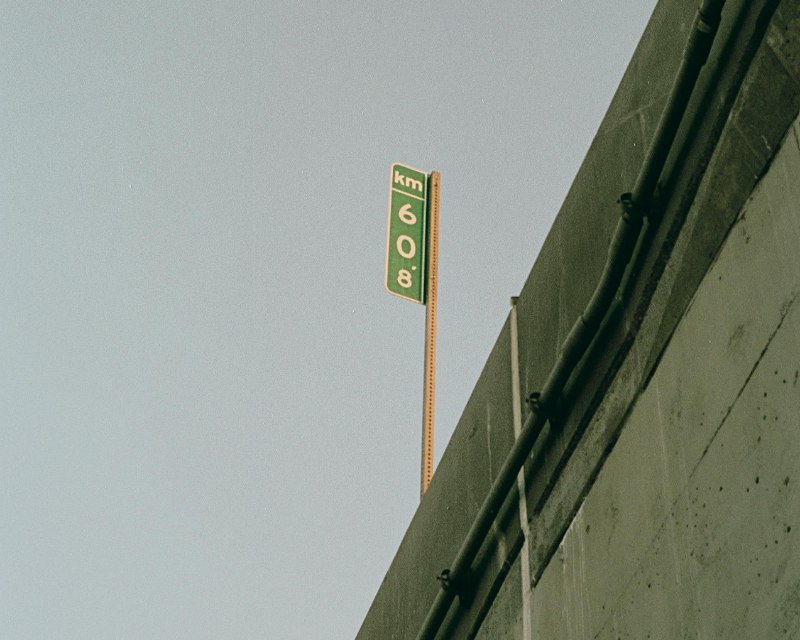
You’ll note that miles and kilometers are pointed out along the course for many races.
It may be quite handy for those who use both measurements or for international runners who are utilizing only kilometers.
Many races mark each 5k, as well as each mile.
It can help runners stay on track with their pace and ensure they’ll end the race at their goal time.
Consider the specific location of the race.
This can include altitude levels, weather conditions, and even the course’s terrain.
If any of these factors are different from how you typically train, it can affect your race pace. It may even feel like running a half marathon with no training!
Adjusting your pace for different training conditions will help you feel more prepared for race day!
Why Make Metric Imperial Conversions?
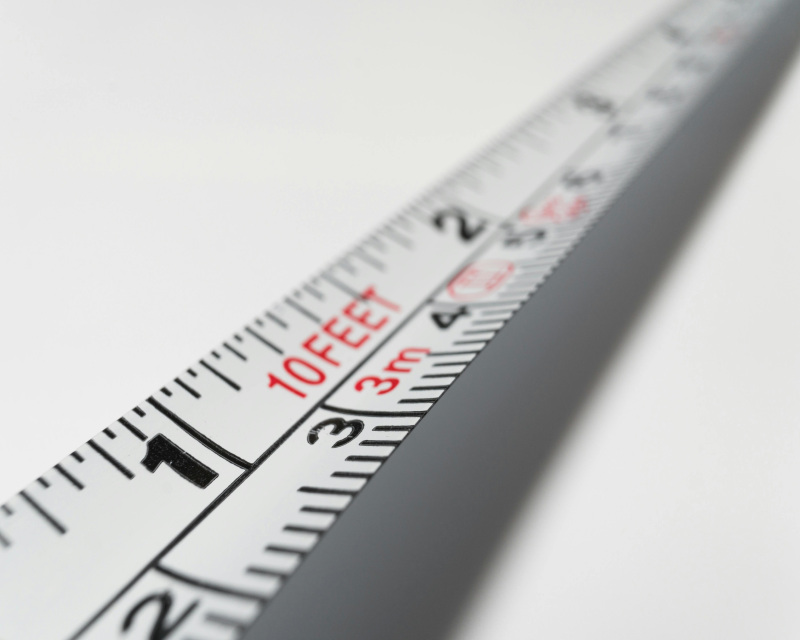
People around the globe utilize either the metric or imperial system for measurements. These measurements can be for distance, volume, or mass, to name a few.
The metric system uses meters and kilograms, while the imperial system uses miles and pounds.
Both practices have been around for many years, and it can be hard to consider one system as “better” than another.
Most countries utilize the metric system (kilometers), while the United States is one of only a few countries that still use the imperial system (miles).
This is important to note, especially if you travel internationally for races since distances must be converted appropriately.
Marathon Distance Conversions Made Easy!

Race conversions will vary slightly depending on the chart used or if you’re doing the calculations by hand. This is due to how far you round the decimal point in your conversions.
Still, it should give you a reasonably accurate assessment of just how far you’re running!
You can then use this information to determine weekly training programs and your race pace for domestic or international races.
The next time you want to know how far a 10k is in miles, you’ll be able to do the math quickly!
