How do you run half marathon without training? This is a loaded question. Although most people have a consistent plan they follow to train and run a half marathon, it is possible to run one without vigorous training.
It may sound simple on paper, however, a whopping 13.1 miles is no easy feat.
Can you start and complete an entire half marathon without running? Absolutely. It is a matter of your goals, your desires, and your level of training that will determine this.
If your goal is to simply FINISH a half marathon without training for it, we have some tips for you.
What is the minimum training for a half marathon?
How much is “enough”? Do you ever feel truly ready? Ideally, people, on average, work up to 13.1 miles over a 12-week period and, in some cases, 16 weeks.
The plan gradually increases distance and speed, allowing your body to adjust and overcome the new stressors of running. This can minimize the risk of injury and build stamina concurrently.
Experienced runners have successfully trained for their half marathon with a more aggressive training schedule of 8 weeks, but this is heavily dependent on fitness levels, ligament and joint health, etc.
However, some ultra-fit individuals may be capable of completing a half marathon without training.
While there is no “absolute minimum” for training for a half marathon, attempting to run one with minimal to very little training is discouraged because of the significant risks involved.
Risks of running a half marathon without training

Don’t get us wrong, we at Out There Mothers commend you for looking into what it takes to run a half marathon. However, we would be incredibly irresponsible if we didn’t emphasize the injury risks.
Overuse injuries
Running long distances without the proper training and conditioning puts a considerable stress on your muscles, ligaments, tendons, causing overuse injuries such as shin splints, pulled muscles, and plantar fasciitis.
The pain of these repetitive strain injuries can be significant, causing you to have to stop running altogether. These can even have you sidelined for weeks to months.
Stress fractures
Repeated pounding and stress on bones, such as those in your legs and feet, can lead to stress fractures. These tiny cracks can turn into a big problem if mishandled.
Stress fractures are known to be incredibly painful and require an even greater amount of recovery time (often months). You may even be immobilized and have to resort to physical therapy.
Dehydration
Without proper hydration, dehydration can set in, causing dizziness, headaches, muscle cramps, and fatigue. If it is severe enough, it can lead to heat exhaustion or heat stroke, both require medical attention.
Electrolyte imbalance is also a factor that can apply in these situations. Electrolytes are minerals that your body uses for muscle function and hydration. When you sweat, you deplete your electrolytes further. If you don’t rehydrate properly, imbalances will happen.
This can further exacerbate muscle aches and cramps and, in some severe cases, may even lead to heart rhythm irregularities
Heart concerns
The strain on the cardiovascular system can be a concern, especially if your heart is not properly trained for what you are asking it to do. While running, your heart can become strained, leading to discomfort, chest tightness, and shortness of breath.
In some occasions, you may experience fuzzy or altered vision. For individuals with prior heart conditions, this type of strain could be dangerous.
For example, while it is rare, cardiac arrest can happen when you push your body beyond its limits, especially with a heart that isn’t used to the strain.
This is a life-threatening condition and requires immediate medical attention.
Other issues
Without some mental training, you might find yourself believing that your mind is always right and that it’s just looking out for you. It’s important to recognize the signs of mental fatigue and understand if it’s your mind giving up or your brain signaling that your body needs a break.
Tips for running a half marathon with no training
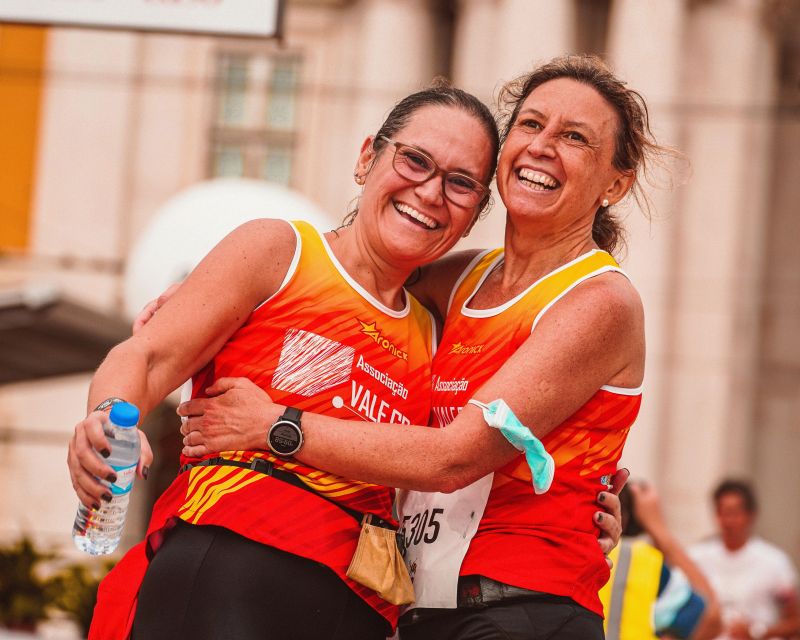
You may have your reasons for not prepping e.g. not having enough time to exercise as a busy mom.
If you are still determined to run a half marathon without training, here are some tips you can follow before and during the race.
Create a mantra you can repeat to yourself
Something like, “I got this, don’t stop.” Think of the little engine who could! What we say to our brains is really powerful.
Slow and steady finishes the race
e’re not going for a sub-3-hour finish. Focus on something other than your personal best. In this case, setting a realistic goal will be much better.
Your pace should allow you to hold a conversation (or grunt a few words) without gasping for air. If you struggle to breathe, you’re pushing too hard for a 13.1-mile race.
The hydration station is your friend
The little drinks, snacks, and GU’s will be your friends along the way.
Utilize these refueling stations and keep telling yourself, “Just make it to the next station.” This can give you external motivation to continue. Aim for smaller amounts instead of gulping an entire water bottle and bogging yourself down for the rest of the run.
Fuel up
The success of a race starts with the things you do beforehand. Make sure you are consuming enough calories a few days leading up to it and approximately 2-3 hours before the race.
Complex carbs such as bananas, toast with peanut butter, or oatmeal are great options to provide sustained energy. Avoid sugary carbs such as pastries, which will lead to a crash later.
Run with a friend
See if you can find a friend or two to motivate you and run next to you during the race. Their company can hopefully distract you from the pain and lack of air in your lungs while you hit mile 10.
Try the walk and run style
Instead of committing to a goal of “running the entire time,” try to alternate between walking and running mile by mile or half mile by half mile.
Comfort is the word
Do all you can to prevent discomfort while running. This may include using anti-chafe spray to prevent chafing or wearing band aids on your heels to prevent blisters. Of course, some minor inconveniences may happen, but that is part of it!
Choose a playlist that hypes you up
Running with music has proven to lead to better results. Choose a 3-4 hour playlist or podcast that can keep you distracted and moving those feet!
If you’re on who gets lost in their own world, we teach you how to listen to music while running. Here’s a hint, we recommend choosing the right kind of headphones!
Stay energized with a caffeine boost
A cup of coffee or tea before a race can provide a boost of energy. Be mindful of overdoing it, as caffeine can lead to dehydration.
A pre-workout is also an option. But again, if you’ve never tried a pre-workout before, it is not wise to start something new on race day. Only use what is familiar to your body.
What should you eat before, during and after the race
What you consume before, during, and after a race can make or break your ability to run half marathon with no training.
Remember, these are general ideas and recommendations. Always stick to foods you are familiar with.
Pre-Race (2 Hours Before)

As mentioned earlier, focus on those easily digested carbs. Complex carbs are your friend, to include:
- Oatmeal
- Whole wheat toast
- Beans
- Sweet Potatoes
- Quinoa
- Starchy vegetables such as squash and beets
- Fruits to include blueberries, bananas, strawberries, mango, and peaches.
Drinking 16-20 ounces of water 2 hours before the race is a great idea. A few days before the race, be sure to drink more water than you usually do to keep your body hydrated.
Avoid fatty foods, greasy foods (no cheeseburgers), and sugar. These can feel like a brick once you are running and slow you down significantly.
During the race (every 30-45 minutes)
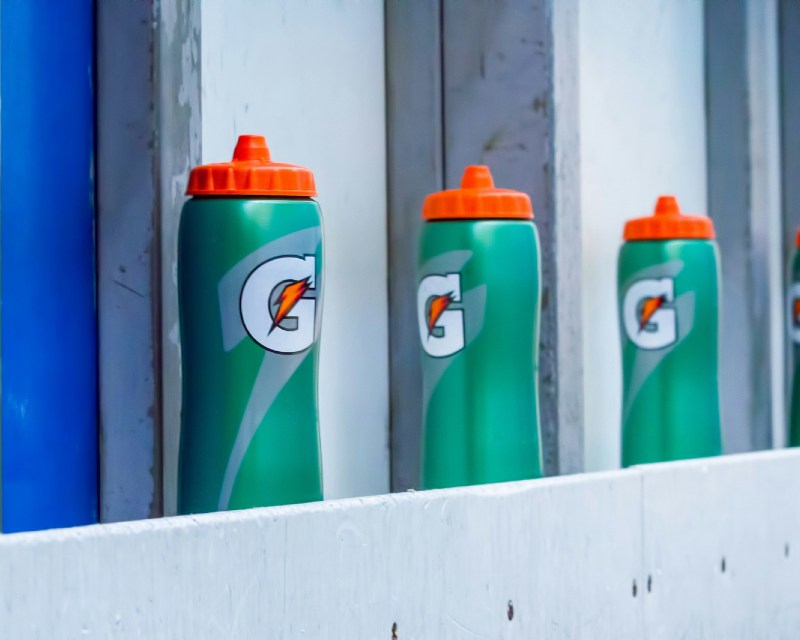
Consume small amounts of carbs throughout the race. Every 30-45 minutes is a great goal.
Energy GU’s, chews, or electrolytes are going to be your friend. Sports drinks are also a wise option if they are offered throughout the race at the milestones. Do not be afraid to also grab a quick few bites of a banana or other piece of fruit.
After the race

Electrolytes, quick carbs, and some protein are your best bet. You likely burned 1100-1600 calories and need to replenish so that your body does not start breaking down your muscles for fuel.
Here is where you are allowed to have the cheeseburger, fries and shake. Your body is looking for anything to consume energy. But be aware of not consuming too quickly, as this could lead to an upset stomach.
Hydrate!! I mean, really, hydrate. Sip on your favorite sports drink while you kick up those feet. Chocolate milk is always a great option as well as a protein shake. Fruit smoothie with any fruit your heart desires.
What to wear for a half marathon?
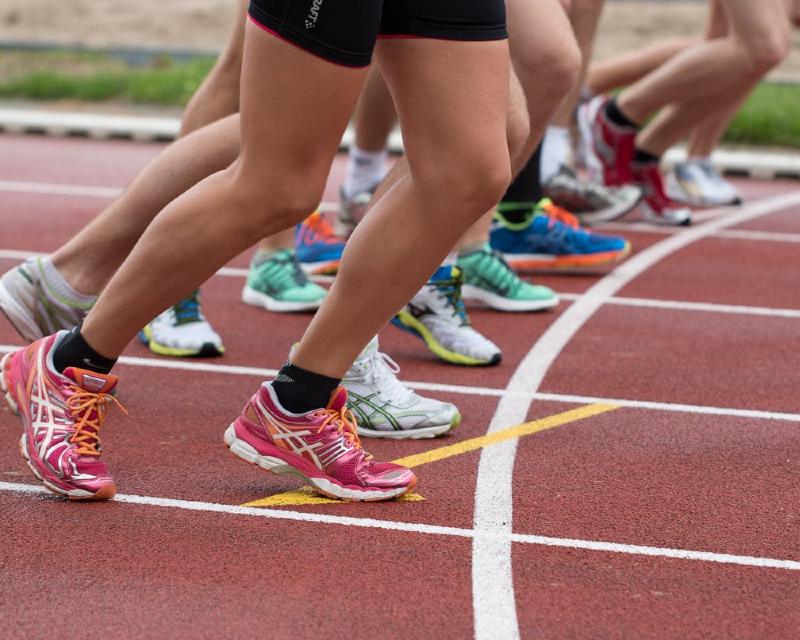
What should you wear while running a half marathon with no training? It is simple. Whatever you feel comfortable in. Wear shorts or pants that do not chafe you, and a supportive sports bra, along with a breathable top.
Shoes are the most important, as they can be the difference between having extremely sore feet and just a little stiffness. You need to decide which running shoe is the best for you and your fitness needs. Brands like Asics, Adidas, and Brooks make top-ranked shoes.
You may not have considered another important factor—the beaming sun! Since you will be outside, make sure to wear water-resistant sunscreen to protect your skin!
Sunglasses and hats are also wise to bring with you to keep from squinting the entire time.
Mental toughness during the race

Running a half marathon without training is not going to be an easy feat on your mental health. Some tips to get over the mind blocks include:
Visualization
Close your eyes and visualize before the race. Feel your body move as you hear the starting horn. You can hear your feet hit the pavement with ease as you feel your breath in your lungs fill to their capacity.
Breathe in as your body loosens with each stride, making the miles pass by quickly. Put yourself in the environment that you are about to be in, surrounded by others who are running alongside you. Imagine how light the air will feel, how proud of yourself you will be once you pass the finish line.
Feel your muscles tighten and relax with every step, the wind on your skin, and the sun beating down. Visualization is a great tool to use when you are preparing for something physically demanding as a half marathon.
Break it down
Do not get overwhelmed by thinking about the entire 13.1 miles you are about to endure. Divide the race into small pieces, making it easier for your mind to consume and overcome.
Focus on landmarks or milestones, such as trees, water stations, or landmarks. One small piece at a time, one mile at a time, and you will eventually cross the finish line.
Embrace the pain and challenge
Instead of thinking about how much pain this will cause, shift your mindset to looking forward to seeing how far your body can push itself. Mental reframing can boost your resilience, energy, and overall success in the race.
Post race recovery

Since you were brave enough to take on the challenge of running a half marathon without training, here are some post-race recovery tips you can prepare for once you cross that finish line!
An ice bath at home
You do not need to go out and buy a $2,000 “cold plunge” when you have a perfectly good bath at home. Fill your bathtub with bags of ice and cold water, and sink deep into the tub. This can help with muscle inflammation and help speed up your recovery.
Use muscle rubs
Tiger balm, peppermint oil, and Bengay are powerful options for muscle recovery ointment. Feel free to try all three and alternate. Be sure to wash your hands after applying! Getting these in the eyeball does not make for a good time.
Sleep, sleep, sleep
Sleep is when your cells turn over and recover those tears in your muscle tissue. Allow a nap or a little longer recovery time in your bed.
How to run half marathon without training
Running a half marathon without training is a significant risk. However, if you still want to take that risk, consider these tips. The ultimate life hack would be to train for your next race and see how much better you do overall.
You will be amazed at what your body is capable of doing and completing if given the correct tools! We hope some of these tips will be helpful in your journey.
If you aren’t able to finish, don’t beat yourself up! There are plenty of opportunities to try again. Give it your absolute best, and know that even committing to beginning the race is a success.