Now that you are a mama or a soon-to-be mama, it can be overwhelming to figure out the do’s and don’ts of taking certain supplements. Some thoughts floating through your head are probably:
- Will this hurt my baby?
- Can I take creatine while breastfeeding?
- Can I take creatine while pregnant?
- When can I start taking creatine again?
- What are the long-term effects?
As a regular gym goer, you have more than likely delved into the supplement world with creatine. You see it advertised, hear how it helps with recovery, and learn that it can have a major impact on your fitness journey.
What is creatine?
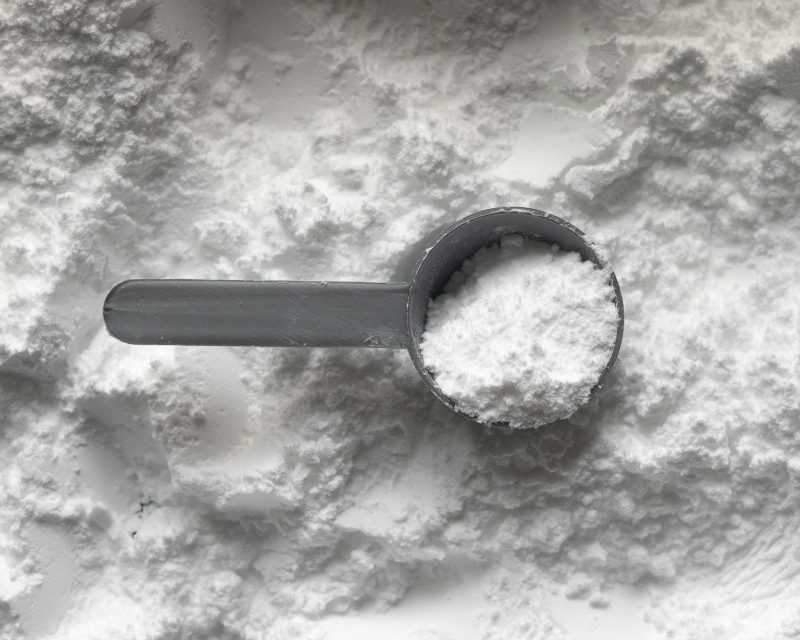
Creatine is a naturally occurring compound found in muscle tissue. It plays a vital role in energy production and recovery, especially during high-intensity workouts or exercise.
A few other benefits of creatine include injury prevention, cognition and brain health, and strength, muscle size, and performance.
Breastfeeding, pregnancy, and creatine
While creatine is a natural substance our bodies make, research on taking it as a supplement while breastfeeding or pregnant is limited.
Some preliminary research suggests supplementing creatine while pregnant may be beneficial.
However, the Mayo Clinic suggests that studies are needed to establish more concrete evidence for its effectiveness and safety for both mother and baby.
Breast milk naturally contains a small amount of creatine, which fulfills about 9% of a baby’s daily intake needs. This suggests that some level of creatine intake is safe for infants. However, the effects of additional creatine supplements on milk composition and infant health remain unknown (Ellery, 2022).

Creatine side effects while breastfeeding or pregnant
Since there are no extensive studies on the effects of creatine while breastfeeding or pregnant, it is best to err on the side of caution. A study by Dickinson (2014) reveals that creatine in animals in the third trimester protected the fetal brain, diaphragm, and kidney against hypoxic insult at term.
The positive results from the animal study suggest that creatine supplements during the 2nd and 3rd trimesters could benefit all pregnant women against risks of perinatally acquired brain injury.
Additionally, creatine has some mild side effects. These may include digestive discomfort, muscle cramps, and dehydration.
Alternatives to creatine
If you are hesitant about creatine while breastfeeding or pregnant, here are some alternatives that you can add to your routine:
Prioritize protein intake
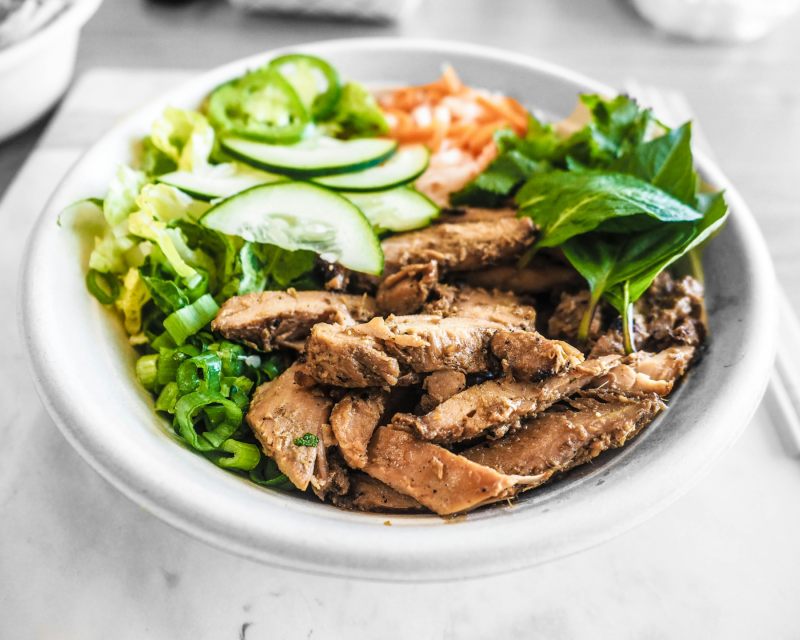
Protein is the building block of all muscle and helps support your body during these changes. Aim for 1g of protein per pound of body weight daily. Lean meats, beans, eggs, seeds, protein powders, and even collagen are all great options. See what works best for your body.
If you’re too busy to think of recipes, our list of the best diets for stay-at-home moms may be a valuable cheat sheet!
Explore other supplements:
Prenatals, iron, calcium, and folic acid vitamins all aim to support your health and energy levels. Consult with your doctor to see the best regime for you!
Other energy-boosting herbs
These include Lion’s Mane and L-Theanine, which may also help with brain fog and similar cognitive symptoms.
Weights
Yes! You heard correctly. Lifting weights can help with baby delivery and postpartum recovery. Make sure you are not exceeding your limit. Go slow, and use proper form.
Other recovery essentials for mamas
Remember, your pregnancy and postpartum journey is multi-faceted. Some other modalities besides supplements can be super beneficial for your body. Some ideas include:
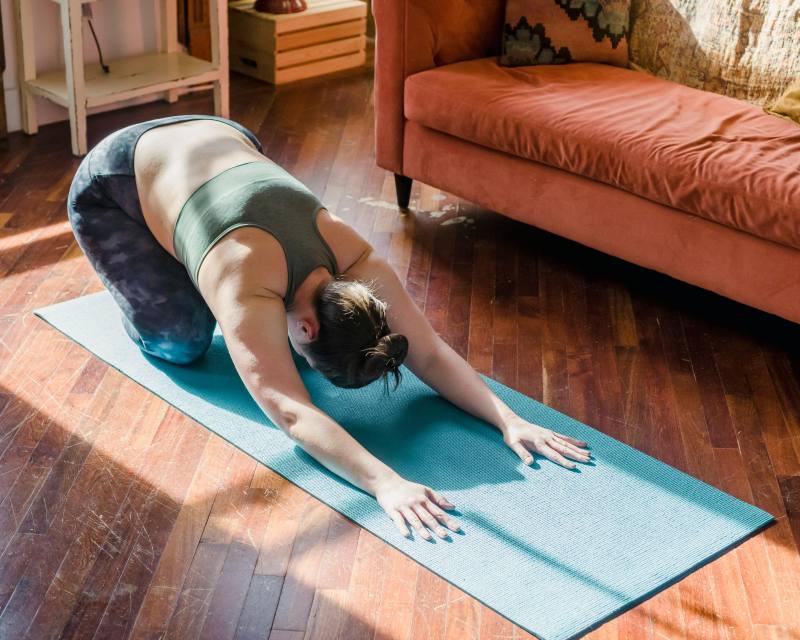
Gentle stretching can improve flexibility and reduce muscle soreness.
Foam rolling can help break up tensions in the body.
Epsom salt is a powerful healer packed full of micronutrients and electrolytes. Light a candle once your baby goes to sleep, draw a warm bath, and indulge in the sweet healing powers of Epsom salt.
Pelvic floor exercises are critical for recovery and can help prevent incontinence. For reference, we recommend these pelvic floor exercises for postpartum.
Lastly, sleep is elusive. However, developing healthy sleep habits such as turning off all blue light an hour before bed and creating a relaxing sleep schedule can help improve the quality of your sleep (quality, not quantity), although we wish we could give you more sleep!

The Key Takeaway: Remember, you are strong
Your doctor is your best resource. The body goes through an arduous amount of changing and growth, and it is best to chat with a medical professional to see if you personally should or should not be taking certain supplements.
While creatine might be a part of your routine currently, other alternatives exist to reach the maximum health benefit during pregnancy. Embrace the changes, celebrate your body’s ability to create life, and focus on a healthy and happy foundation for yourself and your new little one!